

As cycling gains momentum globally in 2025, the demand for reliable bicycle storage has never been higher. Cyclists everywhere are seeking smart ways to keep their bikes safe, organized, and shielded from the elements. In this guide, you’ll discover the latest trends, innovative products, and expert tips to choose the right storage for your unique needs—helping you protect your investment and reclaim your space.
Trends and Innovations in Bicycle Storage for 2025
As the cycling landscape evolves, so do the demands and solutions for bicycle storage. In 2025, riders face new challenges and opportunities, driven by urban growth, advancing technology, sustainability goals, and the need for smarter, more secure storage. Let's explore the key trends shaping the future of bicycle storage.
Evolving Needs of Cyclists
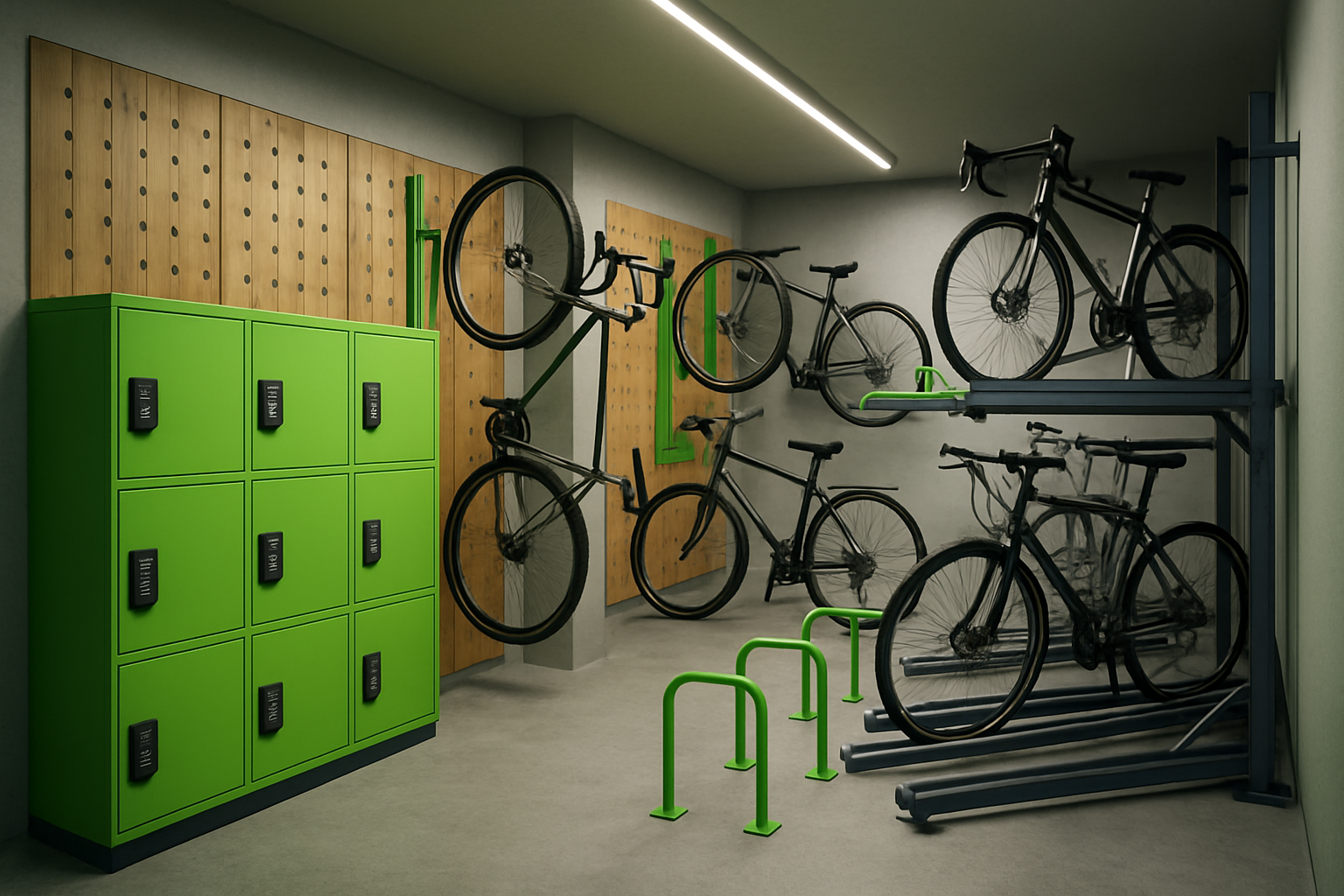
Urban cycling is booming, with more people choosing bikes for commuting and leisure. The rise of e-bikes and cargo bikes has expanded requirements for bicycle storage, demanding solutions that accommodate larger frames and added security.
- Urban cycling increased by 15% year-over-year, according to industry data.
- E-bike adoption is pushing for reinforced racks and charging facilities.
- Cargo and family bikes need wider access and sturdier storage.
- Cities are updating building codes to require dedicated bicycle storage in new developments.
- Multi-family housing projects now frequently include communal bike rooms.
These shifts make it clear: the future of bicycle storage will be more diverse and adaptable than ever before.
Technological Advancements
Technology is rapidly transforming bicycle storage into a smarter, more user-friendly experience. App-controlled smart lockers are appearing in public spaces, allowing cyclists to reserve, access, and monitor their storage remotely.
Weather-resistant materials like powder-coated steel and advanced polymers are extending the lifespan of outdoor bicycle storage, even in harsh climates. Modular storage systems are on the rise, letting users scale up or customize layouts as their needs change.
Examples include:
- Smart lockers with real-time availability updates.
- Storage units with integrated charging for e-bikes.
- Modular racks that can be expanded or reconfigured.
As innovation accelerates, bicycle storage is becoming more convenient and secure.
Sustainability and Design
Sustainability is now central to bicycle storage design. Manufacturers are turning to recycled steel, responsibly sourced timber, and eco-friendly finishes. Modern units blend storage seamlessly with landscaping, contributing to greener urban spaces.
Notable trends include:
- Green-roofed bike sheds that support plant life and absorb rainwater.
- Timber options that complement garden aesthetics.
- Energy-efficient lighting and ventilation systems.
Design is equally important, with storage solutions crafted to enhance, not detract from, the look of homes and public areas. The push for sustainable bicycle storage is driving creativity and environmental responsibility.
Security Enhancements
Security remains a top priority for bicycle storage in 2025. Integrated alarm systems, reinforced locking mechanisms, and internal anchor points are now standard in premium solutions.
Insurance companies increasingly offer discounts for certified secure storage, encouraging investment in high-grade protection. In the UK, some storage units are even police-endorsed, reflecting their advanced security features.
Key security enhancements include:
- Built-in alarms and motion sensors.
- Heavy-duty locks and tamper-resistant designs.
- Certification standards recognized by insurers.
These upgrades help cyclists protect their investment and enjoy greater peace of mind.
Space Optimization Solutions
With space at a premium, innovative layouts are essential for efficient bicycle storage. Double stackers, vertical wall racks, and shared systems are making it possible to store more bikes in less space, especially in urban and communal settings.
| Storage Type | Space Efficiency | Best For |
|---|---|---|
| Double stacker racks | High | Communal bike rooms |
| Vertical wall mounts | Medium | Apartments, home garages |
| Freestanding racks | Low-Medium | Flexible indoor placement |
Shared storage solutions are now common in apartment complexes and offices, increasing capacity by up to 50%. As these systems evolve, bicycle storage is becoming more accessible and convenient for everyone.
Types of Bicycle Storage Solutions
Finding the right bicycle storage solution is crucial for protecting your investment and organizing your space. With so many options available in 2025, understanding the strengths and limitations of each type will help you make the best choice for your needs and lifestyle.
Indoor Home Storage Options
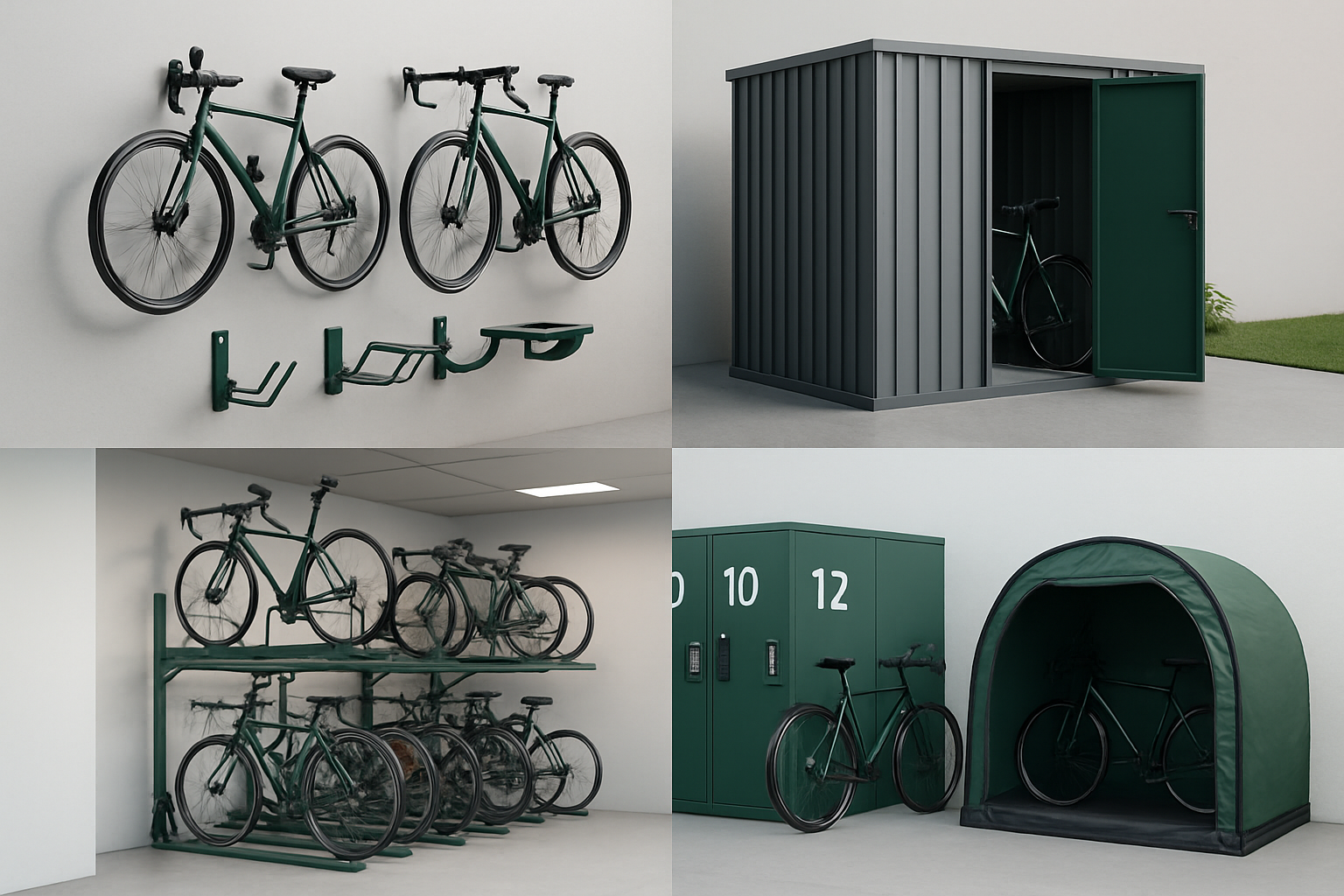
Indoor bicycle storage is ideal for those seeking security and protection from the elements. Wall-mounted racks, hooks, and pulley systems allow you to maximize vertical space in apartments or houses. For renters, freestanding stands offer a solution with no wall damage, while foldable and retractable racks provide flexibility in multipurpose rooms.
Pros:
- Maximum security from theft
- Protection from weather
- Easy access for daily use
Cons:
- Limited by indoor space
- May require drilling or installation
- Can affect room aesthetics
For small flats, ceiling-mounted pulley hoists are a popular way to keep bikes off the floor. If you’re looking for a wide selection of indoor bicycle storage products, the Bicycle Storage Solutions Category offers options for every home and need.
Outdoor and Garden Storage
Outdoor and garden bicycle storage solutions are perfect for those with limited indoor space or multiple bikes. Weatherproof sheds, lockers, and patio boxes made from steel, vinyl, or timber can secure one or several bicycles while blending with your garden design.
Material Comparison Table:
| Material | Durability | Maintenance | Weather Resistance | Security |
|---|---|---|---|---|
| Steel | High | Low | Excellent | High |
| Timber | Medium | Medium | Good | Medium |
| Vinyl | Medium | Low | Very Good | Medium |
When planning your outdoor bicycle storage, allocate at least 0.8 meters of width per bike for comfortable access. Modular sheds with wide doors allow for easy entry and ventilation, making them a favorite for families and cycling enthusiasts alike.
Communal and Shared Storage
Communal and shared bicycle storage has become a necessity in multi-unit buildings and workplaces. Bike rooms with double stacker or toast-rack systems help maximize capacity, especially as cycling rates rise in urban areas.
Key considerations include:
- Secure access control (keypad, RFID, or smart card)
- Layout that allows easy retrieval without moving other bikes
- Solutions for all ages and abilities
Some apartment complexes now feature communal bike rooms with RFID-secured doors and side-by-side racks, ensuring both security and accessibility. Addressing accessibility for children and seniors is essential, especially when using vertical storage systems.
Commercial and Public Storage Solutions
Commercial and public bicycle storage has advanced significantly, supporting commuters and city dwellers. Smart bike lockers at transit stations offer app-based access and real-time availability, while covered racks and shelters protect bikes from weather.
Urban planning regulations increasingly require secure bicycle storage in new developments, making automated parking towers more common in major cities. These innovations support cycling as a viable mode of transport and help minimize clutter in public spaces.
Workplaces and shopping centers also invest in secure, scalable storage options, ensuring employees and customers can ride with confidence and convenience.
Mobile and Temporary Storage
For those on the move, mobile and temporary bicycle storage is essential. Portable bike tents and pop-up shelters provide instant protection during events or travel. Vehicle-mounted solutions like roof racks, hitch racks, and trunk mounts make transporting bikes easy for holidays or competitions.
These options suit cyclists needing flexibility, such as commuters who combine cycling with public transport or families traveling with multiple bikes. Event organizers also use temporary storage to accommodate large groups, keeping bikes secure throughout the day.
Regardless of your cycling routine, the right mobile bicycle storage option ensures your bike remains safe and accessible wherever you go.
Key Factors to Consider When Choosing Bicycle Storage
Choosing the right bicycle storage involves more than just finding space for your bike. To protect your investment and keep your environment organized, it’s important to weigh several key factors before making a decision.
Security Considerations
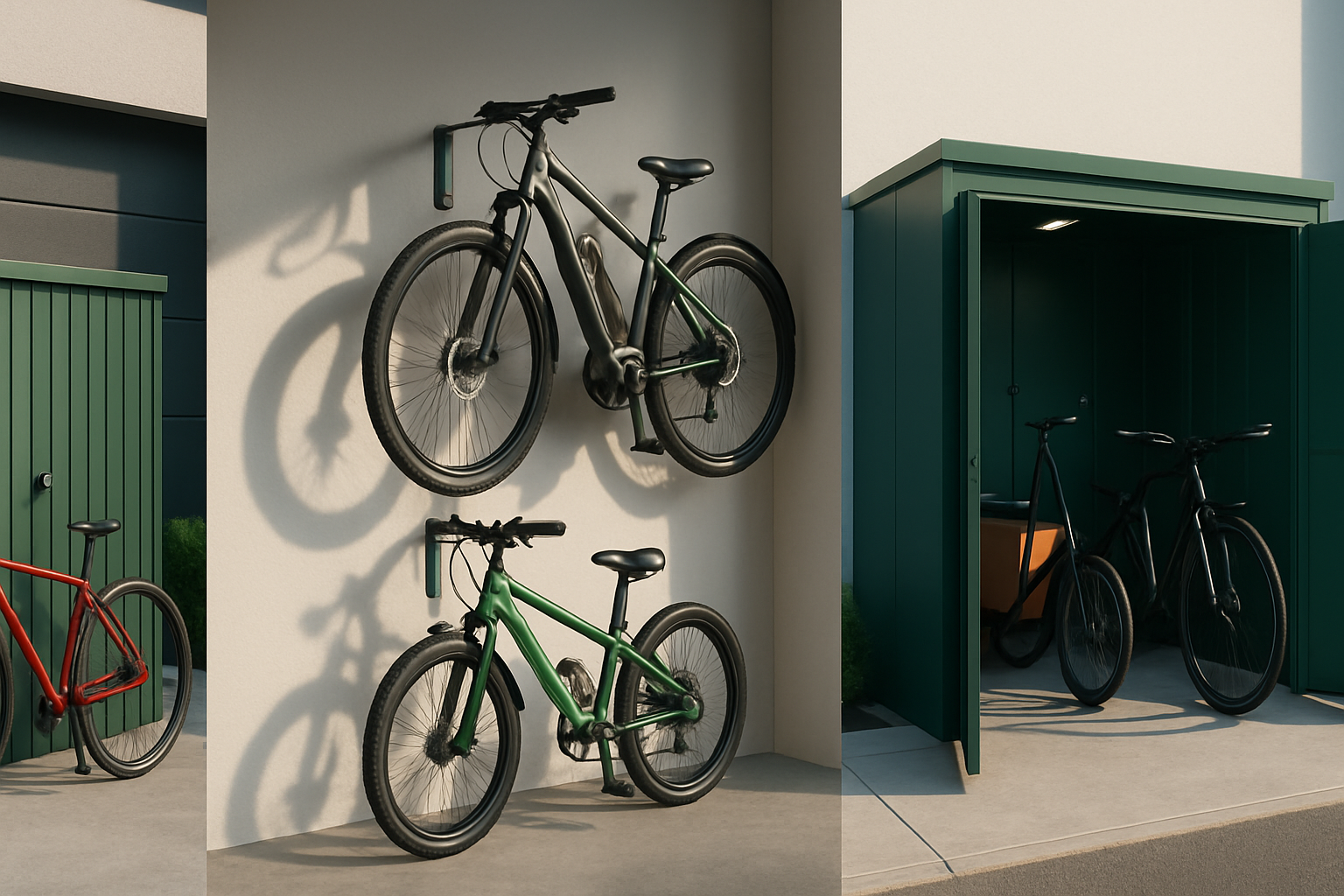
Security should be the top priority for any bicycle storage solution. Start by looking for robust locking mechanisms and solid anchor points that deter theft. Weatherproofing is equally critical, as it helps prevent rust and mold that can weaken security over time. Many insurance providers now require certified secure storage, such as units with Sold Secure ratings or police endorsements. For example, in the UK, police-endorsed storage units with built-in alarms and reinforced hardware are setting new standards for protection.
- Choose storage with internal anchor points for extra locks.
- Look for weather-resistant seals and tamper-proof doors.
- Consider insurance discounts available for approved units.
Choosing secure bicycle storage not only protects your bike but also brings peace of mind.
Space and Accessibility
Assessing your available space is vital when selecting bicycle storage. Measure your bikes—whether standard, e-bike, or cargo—and calculate the area required. For reference, each bike typically needs about 0.8 meters in width. When planning layouts, ensure you can access your bike without moving others, especially in communal or family settings.
- Use side-by-side or staggered racks for better access.
- Plan for growth, such as additional bikes or family members.
- Include low-mounted racks for children or users with limited mobility.
Space-efficient bicycle storage should balance capacity with ease of access for everyone.
Material and Durability
The materials used in bicycle storage directly impact longevity and maintenance. Steel is highly durable and resists vandalism, while timber offers a natural look but may require regular treatment. Vinyl sheds are lightweight and low-maintenance but may lack the strength of steel. Consider local climate conditions—resistance to moisture, pests, and temperature changes is crucial for outdoor storage.
| Material | Durability | Maintenance | Weather Resistance |
|---|---|---|---|
| Steel | High | Low | Excellent |
| Timber | Medium | Moderate | Good |
| Vinyl | Medium | Low | Fair |
Your choice of material will determine how well your bicycle storage stands up to daily use and weather.
Aesthetics and Integration
Modern bicycle storage should complement your home or garden’s design. Many solutions offer customizable colors, finishes, and modular add-ons. Whether you prefer a sleek steel look or a timber shed that blends with landscaping, integration is key to maintaining curb appeal.
- Select storage that matches your property’s style.
- Opt for green roofs or timber facades for natural integration.
- Customize with paint, planters, or lighting for a cohesive look.
Well-integrated bicycle storage can enhance both security and aesthetics.
Budget and Installation
Budgeting for bicycle storage involves considering both upfront and ongoing costs. DIY options like wall racks are affordable and easy to install, while professionally built sheds require a higher investment but offer greater security and weatherproofing. Modular systems allow phased investments as your needs change.
- Compare costs of DIY racks, freestanding stands, and full sheds.
- Factor in installation time and any required permits.
- Plan for future upgrades or expansion.
Smart budgeting ensures your bicycle storage meets today’s needs and adapts for tomorrow.
Step-by-Step Guide: Planning and Installing Bicycle Storage
Planning and installing the right bicycle storage is a practical investment for any cyclist. A clear, methodical approach ensures your bikes stay safe, accessible, and protected from the elements. Follow these steps to design a system that fits your space, budget, and lifestyle.
Step 1: Assess Your Needs and Space
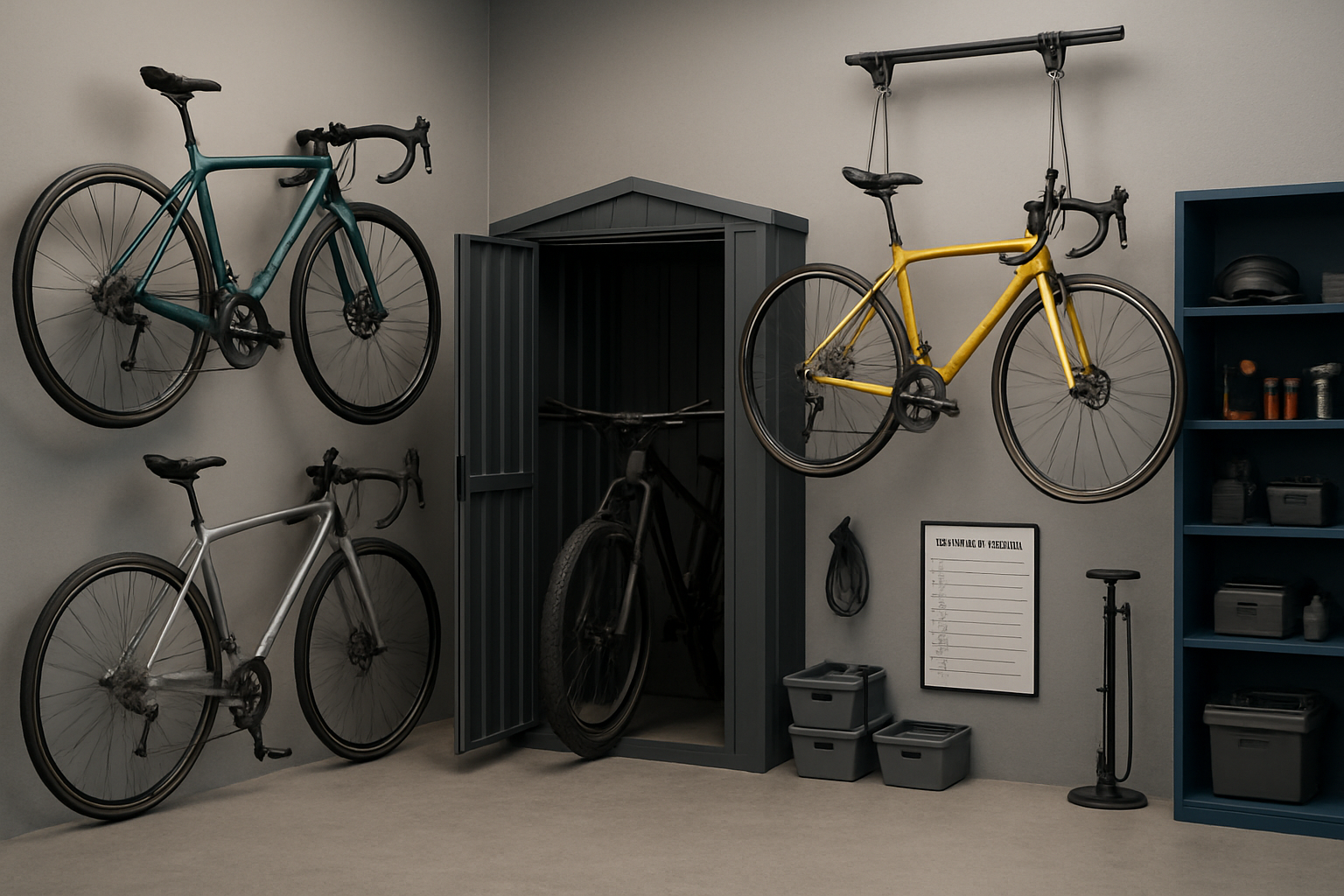
Begin your bicycle storage journey by taking inventory of all your bikes. List each bike by type and frequency of use. Are you storing children's bikes, e-bikes, or a cargo model?
Next, measure your available indoor and outdoor space. Use a tape measure to check ceiling height for vertical racks or wall space for hooks. Consider future needs, such as family growth or the purchase of a new bike, to ensure your bicycle storage remains flexible.
- List all bikes and accessories
- Measure storage areas (length, width, height)
- Consider potential new bikes or changing needs
Careful assessment prevents costly mistakes and helps you select the best bicycle storage setup from the start.
Step 2: Set Priorities and Budget
Before committing to a bicycle storage solution, clarify your priorities. Rank what matters most: is it security, convenience, aesthetics, or cost? For example, city dwellers may prioritize theft prevention, while families might value easy access.
Research local regulations and building codes. Some areas have size restrictions or require permits for outdoor sheds. Setting a budget early helps you balance upfront costs with long-term value.
- List your top requirements (security, size, looks, budget)
- Check local rules on bicycle storage structures
- Decide between DIY and professional installation
Establishing clear priorities ensures your bicycle storage meets both personal and legal requirements.
Step 3: Choose the Right Storage Solution
Select a bicycle storage option that aligns with your needs and constraints. Compare sheds, racks, and lockers based on security, space, and weather protection. Modular or expandable systems offer flexibility for growing households.
| Storage Type | Best For | Pros | Cons |
|---|---|---|---|
| Wall Rack | Small apartments | Space-saving | Less secure outdoors |
| Steel Shed | Gardens, patios | High security, weatherproof | Needs foundation |
| Pulley System | Tight spaces | Utilizes ceiling space | Harder access for kids |
For outdoor setups, steel sheds are a reliable choice. Learn more about their benefits in the Outdoor Steel Garden Sheds Guide.
Choosing wisely now ensures your bicycle storage will serve you well for years.
Step 4: Prepare the Site and Materials
Preparation is crucial for a successful bicycle storage installation. For outdoor sheds, select a flat, well-drained area. Level the ground and consider a concrete or paving slab base to prevent movement and water ingress.
Gather all required tools and hardware before beginning. Essentials might include:
- Drill and screwdriver
- Measuring tape
- Anchor bolts or ground fixings
- Weatherproof sealant
Check your shed or rack kit for missing parts. Having everything ready streamlines the bicycle storage installation process.
Step 5: Installation Process
Follow the manufacturer’s instructions closely when assembling your bicycle storage. For sheds, anchor the structure securely to prevent theft or wind damage. Ensure proper ventilation to reduce condensation and protect your bikes from rust.
Install internal anchor points for extra locks and consider adding battery-powered alarms. For racks and pulleys, check that all fixings are secure and weight-rated for your bike types.
- Secure all fastenings
- Test door movement and lock function
- Add ventilation grilles if needed
A thorough installation maximizes the lifespan and security of your bicycle storage.
Step 6: Organize and Maintain
Arrange your bikes for efficient access, placing frequently used ones near the entrance. Add shelves or hooks for helmets, pumps, and tools. In communal bicycle storage, label racks or spaces for clarity.
Set a maintenance schedule to keep your storage in top condition. Regularly check for leaks, clean surfaces, and test security devices.
**Sample Maintenance Schedule**
- Monthly: Inspect locks, clean floors, check for rust
- Quarterly: Test alarms, reseal weatherproof joints
- Annually: Deep clean, repaint or treat surfaces
Consistent organization and upkeep protect your investment and ensure your bicycle storage remains safe and convenient.
Expert Tips for Maximizing Bicycle Storage Efficiency
Maximizing bicycle storage efficiency in 2025 is about more than just fitting bikes into a tight space. Cyclists need solutions that protect their investment, streamline daily routines, and adapt to evolving lifestyles. With the right strategies, you can create a system that saves space, boosts security, and supports seamless access for every rider.
Space-Saving Strategies
Efficient use of space is critical for any bicycle storage setup, especially in urban homes or shared environments. Start by making use of vertical areas with wall-mounted racks or ceiling hoists. These solutions keep bikes off the floor and free up valuable square footage.
Consider double-decker racks in communal areas to accommodate more bikes in a compact footprint. Folding or retractable storage systems are ideal for multipurpose rooms, allowing you to reclaim space when bikes are not in use.
When planning your bicycle storage, measure your available area and map out where each bike will go. This approach ensures that every centimeter counts and reduces clutter.
Security Best Practices
Protecting your bikes requires a multi-layered approach. Use multiple locking points and always secure bikes to immovable anchor points. High-quality locks and reinforced racks are essential for deterring theft.
For shared or communal setups, look for storage solutions with access control, such as RFID entry or coded locks. Certified secure units, like those featured in Communal and Shared Bike Storage, often meet insurance criteria and provide peace of mind.
Register your bikes and storage units with local authorities or insurance databases. This extra step can aid recovery in the event of theft and may qualify you for insurance discounts.
Weather Protection
Weatherproofing your bicycle storage is vital for longevity. Choose sheds or lockers with proper seals to prevent water ingress and rust. Ventilation is equally important to minimize condensation and mold, especially in damp climates.
Add covers or liners inside storage units for an additional layer of moisture control. Regularly inspect for leaks, rust, and pest entry to catch problems early and maintain optimal conditions.
If your storage is outdoors, position it away from trees or gutters to reduce exposure to falling debris and standing water. This proactive approach extends the lifespan of your bikes and gear.
Accessibility Enhancements
Accessible bicycle storage ensures that everyone in your household or building can use it comfortably. Install wide doors and maintain clear pathways so bikes can be moved in and out with ease.
Consider automatic lighting for nighttime use or in shared spaces. Smart access systems, such as app-controlled locks, streamline entry and add a layer of convenience.
For families or multi-generational homes, provide low-mounted racks or stands for children and those with limited mobility. This thoughtful design supports independence and safety for all users.
Organization and Maintenance
A well-organized storage area keeps everything in its place and reduces frustration. Add shelving or hooks for helmets, pumps, and tools. This keeps accessories off the floor and easy to find.
In communal settings, label spaces or racks to prevent confusion and ensure fair access. Establish a regular cleaning and maintenance schedule to keep the area tidy and identify any security or weatherproofing issues.
Routine checks of locks, anchor points, and seals help maintain the integrity of your bicycle storage and catch small issues before they become costly problems.
Real-World Examples
Many organizations and households are transforming their approach to bicycle storage. Apartment complexes are boosting capacity by installing double stackers, while families use modular sheds to house bikes and outdoor gear.
Commuters benefit from innovations like smart bike lockers at transit stations, which offer secure, app-based access and real-time availability updates.
By applying these expert tips, you can create a bicycle storage solution that is efficient, secure, and perfectly suited to your lifestyle.
Future Outlook: The Next Wave of Bicycle Storage Solutions
The future of bicycle storage is rapidly evolving, driven by technological progress, environmental consciousness, policy changes, and shifting consumer needs. As cycling becomes central to urban mobility, the next wave of innovations promises smarter, greener, and more inclusive storage options. Let’s explore the key trends shaping what’s next in bicycle storage.
Emerging Technologies
Automated and robotic bicycle storage systems are set to revolutionize high-density urban areas. These solutions use lifts, conveyors, or robotic arms to maximize space and enable effortless bike retrieval. IoT-enabled storage provides real-time monitoring, remote access, and instant alerts for enhanced security and convenience.
Energy-efficient features, such as solar-powered lighting and ventilation, are becoming standard in new designs. These upgrades offer sustainable operation and reduce long-term costs. The integration of smart technology ensures that future bicycle storage will be both secure and user-friendly.
Sustainability Trends
The shift toward sustainable bicycle storage is accelerating. Manufacturers are increasingly using recycled metals, responsibly sourced timber, and non-toxic finishes. Energy-efficient designs minimize environmental impact and operating costs.
Integration with urban green spaces is also on the rise, with living roofs and green-clad sheds blending seamlessly into cityscapes. For a deeper look at these advancements, see Eco-friendly materials in bike storage, which highlights the latest trends in sustainable materials and design.
Urban Planning and Policy
City planners and lawmakers are recognizing the importance of dedicated bicycle storage. Anticipated regulatory changes will require new developments to include secure, accessible bike storage facilities. Many cities are offering incentives for adopting certified, sustainable storage solutions.
These policies are expected to drive widespread adoption of communal and public bike storage infrastructure. Developers and property managers are already planning for larger, more secure storage rooms to meet future demand.
Consumer Preferences
Consumers are seeking bicycle storage that blends functionality with aesthetics. Customizable units, color options, and sleek designs are in high demand. Multi-use storage systems that accommodate not just bikes, but also tools and outdoor gear, appeal to families and active individuals.
Buyers also value smart features, such as app-based access and integrated security. The desire for storage solutions that complement home and garden design is shaping new product lines, making bicycle storage both practical and stylish.
Predictions for 2025 and Beyond
Looking ahead, expect rapid growth in communal and smart bicycle storage solutions. Public infrastructure will expand, especially in cycling-friendly cities. Automated storage towers, smart lockers, and app-connected units will become commonplace.
Accessibility and inclusivity will take center stage, with new designs catering to users of all ages and abilities. Sustainability will remain a top priority, influencing both materials and urban integration. The future of bicycle storage is set to be smarter, greener, and more adaptable than ever before.
As you've seen throughout this guide, securing your bike with the right storage solution can make all the difference in protecting your investment and keeping your space organized—especially with Ireland’s unpredictable weather. If you’re considering a reliable, weather-resistant option that’s designed for both durability and style, you might find that a steel garden shed stands out as a smart choice. At Coola Living Ireland, we’re passionate about helping you create a safer and tidier outdoor space. Ready to explore the next step? Enjoy Free Delivery on your ECO Steel Garden Shed and discover how effortless bike storage can be.
Discover more from Coola Living Ireland
Subscribe to get the latest posts sent to your email.

