Are you feeling lost with the endless options for lean on sheds as you plan your outdoor space for 2025? The search for the right storage can be confusing, especially with so many designs and features now available.
This essential handbook is your go-to guide for everything about lean on sheds. You will discover the latest trends, learn how to compare materials, choose the perfect size, and get practical installation tips. Whether your garden is big or small, this guide is designed to help you make a confident, stress-free purchase.
With the rising demand for smart, space-saving storage, lean on sheds offer a practical solution for keeping your outdoor area organized. Ready to unlock expert advice and insider tips? Use this handbook as your trusted resource for a smart shed investment in 2025.
Understanding Lean On Sheds: What Makes Them Unique?
Are you searching for a smart, space-saving storage solution? Lean on sheds are rapidly becoming the go-to choice for homeowners who want to maximize every inch of their garden or yard. Let’s explore what sets these versatile structures apart and why they may be the perfect fit for your outdoor needs.
Definition and Key Characteristics
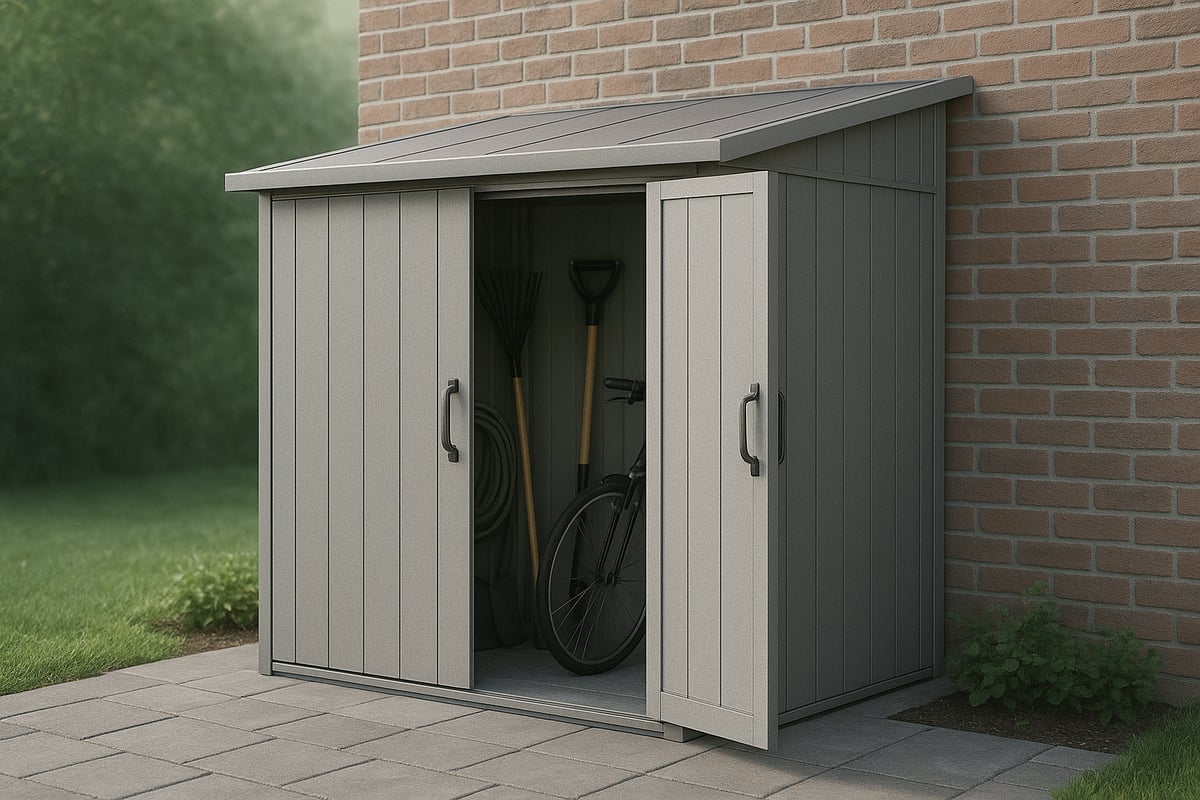
Lean on sheds, sometimes called lean-to sheds, are a unique type of outdoor storage building designed to sit directly against an existing wall, fence, or the side of your house. Unlike freestanding sheds, lean on sheds feature a distinctive sloped roof that directs rain and snow away from the structure, reducing the risk of leaks or pooling water.
This design makes lean on sheds exceptionally space-efficient. By sharing a wall with another building, they require fewer exterior panels and can fit snugly into narrow or awkward areas where other sheds might not work. Common sizes range from compact tool sheds measuring just a few feet deep, to larger units capable of sheltering bikes, bins, or even garden furniture.
If your outdoor area is limited in width or you have an unused side passage, lean on sheds offer a practical way to unlock valuable storage without taking up unnecessary space.
Advantages Over Other Shed Types
What gives lean on sheds an edge over gable, apex, or barn-style sheds? The answer lies in their efficient use of space, cost savings, and ease of installation.
| Feature | Lean On Sheds | Gable/Apex Sheds | Barn Sheds |
|---|---|---|---|
| Space Utilization | Excellent | Good | Moderate |
| Wall Requirement | 3 | 4 | 4 |
| Cost Efficiency | High | Medium | Medium |
| Weather Protection | Enhanced | Standard | Standard |
| Installation Ease | Easy | Moderate | Moderate |
Because lean on sheds use an existing wall, they need fewer materials and typically cost less. Installation is often simpler, with fewer panels to assemble. Placing your shed against your home or garage also gives added shelter from wind and rain, protecting your belongings.
For example, many homeowners with long, narrow gardens use lean on sheds to store bikes or wheelie bins where a standard shed would not fit. If you want to compare more alternatives, the Best Outdoor Storage Sheds guide is a helpful resource.
Common Uses and Applications
Lean on sheds are incredibly versatile, serving a wide range of storage purposes:
- Storing garden tools and equipment
- Housing bicycles, bins, or patio furniture
- Functioning as compact potting sheds or hobby workshops
- Providing seasonal storage for cushions, toys, or sports gear
Industry estimates show that over 60% of urban homeowners now choose lean on sheds to make the most of limited backyard space. Their slim profiles and adaptability have made them a staple for both small gardens and larger homes needing extra organization.
Market Trends for 2025
Looking ahead, lean on sheds are evolving in exciting ways. There is growing demand for modular and customizable designs, allowing buyers to adjust the size or layout as their needs change. Eco-friendly materials are also gaining traction, with more sheds made from recycled plastics or sustainably sourced timber.
Smart features are emerging too, such as lockable doors, integrated ventilation, and even solar-powered lighting. Leading brands like Duramax and Suncast are introducing new weather-resistant models, making lean on sheds even more appealing for busy homeowners.
Key Insights
Lean on sheds deliver exceptional value for anyone with limited outdoor space. Their ability to fit into tight spots, combined with flexible design options, make them a top pick for modern gardens and urban living.
As the market continues to innovate, lean on sheds are set to remain a leading choice for practical, stylish, and space-conscious storage in 2025.
Choosing the Right Material: Vinyl, Metal, Timber, or Resin?
Selecting the best material for your lean on sheds is crucial for long-term satisfaction and value. The right choice impacts durability, maintenance, and even the visual appeal of your garden or yard. Let us break down the four leading materials—vinyl, metal, timber, and resin—so you can make an informed decision for your 2025 shed purchase.
Material Options and Their Benefits
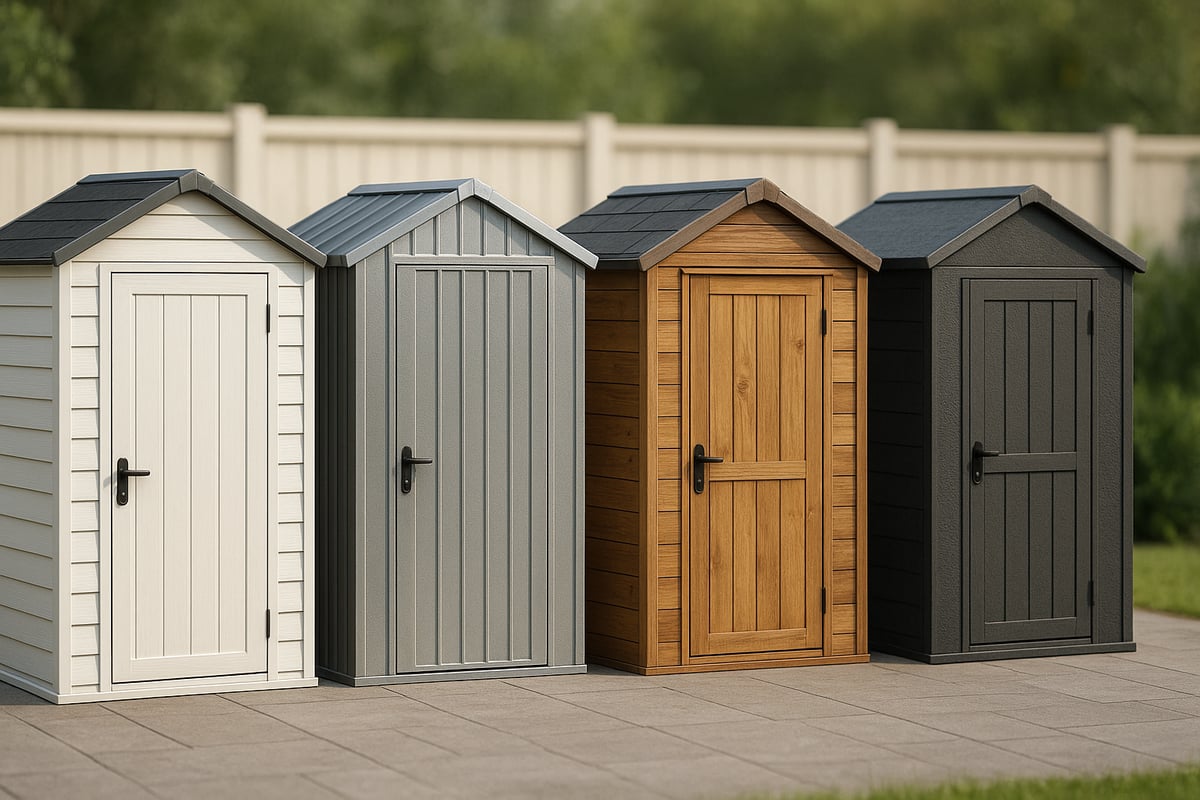
Each material offers distinct advantages for lean on sheds. Vinyl is rot-proof, virtually maintenance-free, and highly weather-resistant. Leading brands like Duramax provide vinyl sheds that suit damp or coastal climates. Metal sheds, often constructed from steel or aluminum, are valued for their strength, security, and fire resistance. Timber provides a classic, natural look and excellent insulation, although it requires regular care.
Resin or plastic sheds are lightweight, UV-resistant, and easy to assemble, making them a popular modern choice. For a deep dive into plastic shed benefits and storage ideas, see the Plastic Sheds Storage Guide.
Here is a quick comparison:
| Material | Key Benefits | Popular Brands |
|---|---|---|
| Vinyl | Rot-proof, no paint needed, durable | Duramax |
| Metal | Strong, secure, fire-resistant | Outsunny, Handy |
| Timber | Natural look, customizable | Cedarshed |
| Resin | Lightweight, UV-stable, easy build | Suncast, Duramax |
Durability and Longevity
Durability is a top priority for anyone investing in lean on sheds. Vinyl sheds typically last over 20 years, resisting rot, rust, and pests, which is ideal for wet climates. Metal sheds have a lifespan of 15 to 25 years if maintained, offering robust defense against fire and theft.
Timber sheds, while charming, usually last 10 to 20 years with consistent treatment. They can be vulnerable to rot and insects if neglected. Resin sheds now approach vinyl in longevity, lasting 15+ years, and are mostly immune to rust and decay. Lean on sheds made from vinyl or resin are particularly suited for harsh weather conditions, ensuring your investment stands the test of time.
Maintenance Requirements
A major consideration for lean on sheds is how much upkeep you are willing to perform. Vinyl and resin require only occasional cleaning with mild soap and water. These materials are ideal for busy homeowners who want a set-and-forget solution.
Metal sheds need periodic checks for rust and may require repainting, especially in coastal regions. Timber sheds demand the most attention, including annual sealing, staining, or painting to prevent weather and pest damage. According to a recent Home Depot survey, 75% of buyers now prefer low-maintenance options for their lean on sheds, reflecting a shift toward convenience.
Cost Considerations and Environmental Impact
Cost varies widely among lean on sheds, with metal models often being the most budget-friendly upfront. Vinyl and resin usually sit in the mid-range, balancing price with minimal long-term maintenance. Timber sheds can be more expensive, both initially and over time due to ongoing care.
Environmental impact is increasingly important. Some vinyl and resin sheds are made from recycled materials. Timber is sustainable if sourced from certified forests, and metal is fully recyclable at the end of its life. Eco-conscious buyers will find that modern lean on sheds now offer greener choices than ever before.
Sizing and Design: How to Match Your Shed to Your Space
Selecting the right size and design for lean on sheds is crucial for maximizing your available outdoor space. With a well-planned approach, you can ensure your shed fits seamlessly into your garden or yard, offering optimal storage without overwhelming the area.
Assessing Your Storage Needs
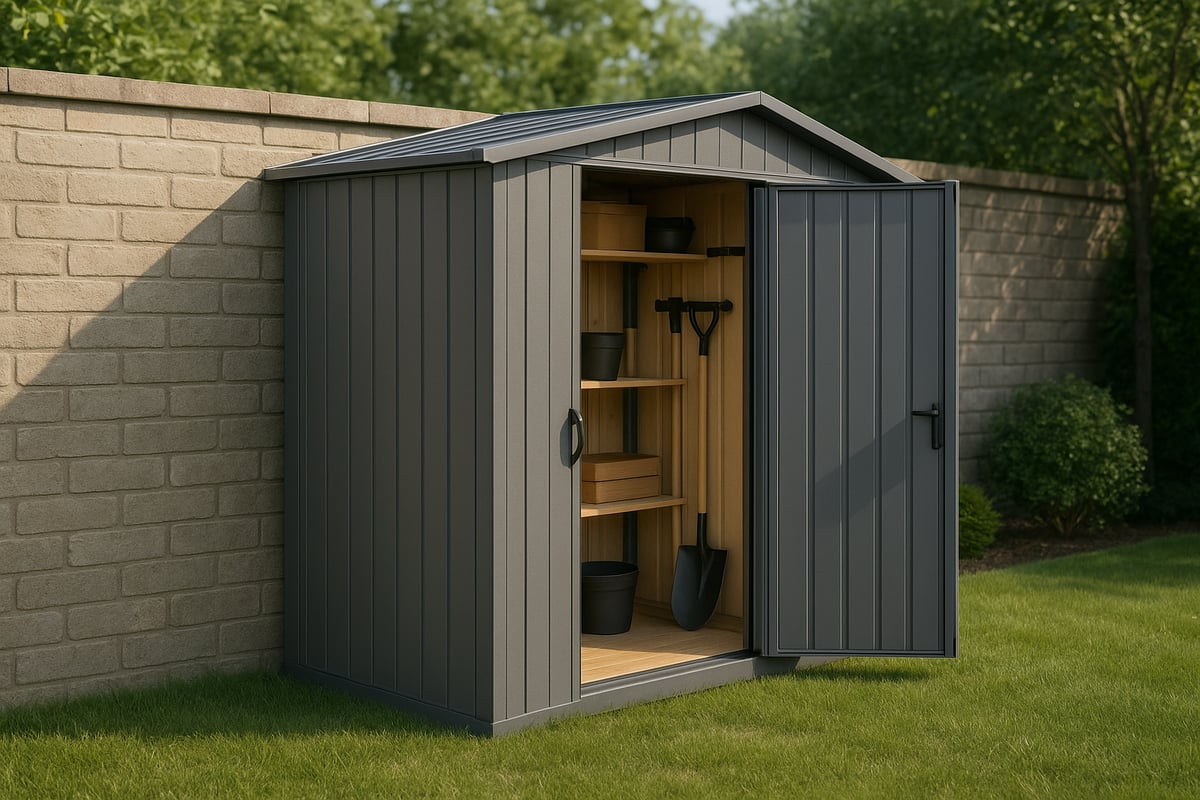
Begin by listing all the items you plan to store in lean on sheds. Common choices include gardening tools, bicycles, bins, lawnmowers, and outdoor furniture. Consider any seasonal items, like sports gear or patio cushions, which may require extra space during certain months.
Estimate the total floor area and volume needed. For example, small lean on sheds under 36 sq ft are ideal for hand tools and gardening supplies. Medium sizes, ranging from 36 to 101 sq ft, can accommodate bikes, bins, and larger equipment. Planning ahead for future storage needs ensures your shed remains functional as your requirements evolve.
A table can help you match shed size to storage needs:
| Shed Size (sq ft) | Typical Use |
|---|---|
| <36 | Tools, garden supplies |
| 36-101 | Bikes, bins, furniture |
| >101 | Large equipment, bulk |
Measuring and Site Planning
Accurate measurement is key for fitting lean on sheds into narrow or awkward spaces. Measure the length, width, and height of the intended area, leaving clearance for doors to open fully and for easy access. Remember to account for overhangs and roof pitch.
Check the distance from boundary fences, walls, and property lines. Local regulations in Ireland and the UK may set minimum distances for outbuildings, so consult council guidelines before placing your shed.
When planning your site, ensure the ground is level and well-drained to prolong the life of your lean on sheds. Mark out the footprint with string or chalk to visualize placement and confirm access routes.
Shed Dimensions and Layouts
Lean on sheds come in several popular sizes to suit different storage needs. Common dimensions include 4×8, 4×10, 10×4, and 10.5×3 feet. Consider the items you’ll store and the available space when choosing the right footprint.
Door configuration also impacts usability. Single doors are suitable for compact sheds, while double doors provide wider entry for bikes, bins, or bulky furniture. For example, the Duramax 10×4 SideMate PLUS Pro features double doors, making it ideal for storing wide items or for easy maneuvering.
Plan internal layouts with shelving, hooks, and racks to keep everything accessible and organized.
Roof Styles and Floor Options
The classic sloped roof design of lean on sheds efficiently directs rain and snow away, protecting contents from moisture. A lean-to roof is ideal for placement against existing walls, while flat or gable roofs offer alternative aesthetics.
Floor options include built-in floors, no floor (for sheds installed on concrete slabs), or runners to elevate the structure. A built-in floor helps prevent damp and pests, while sheds without floors may require a separate base. Consider local weather—steep roof pitches are better for heavy rain or snow.
Ventilation, Lighting, and Security Features
Proper ventilation is essential in lean on sheds to prevent condensation and mold. Look for models with built-in vents or the option to add them. Windows, skylights, or solar-powered lights can improve visibility inside, especially in longer or deeper sheds.
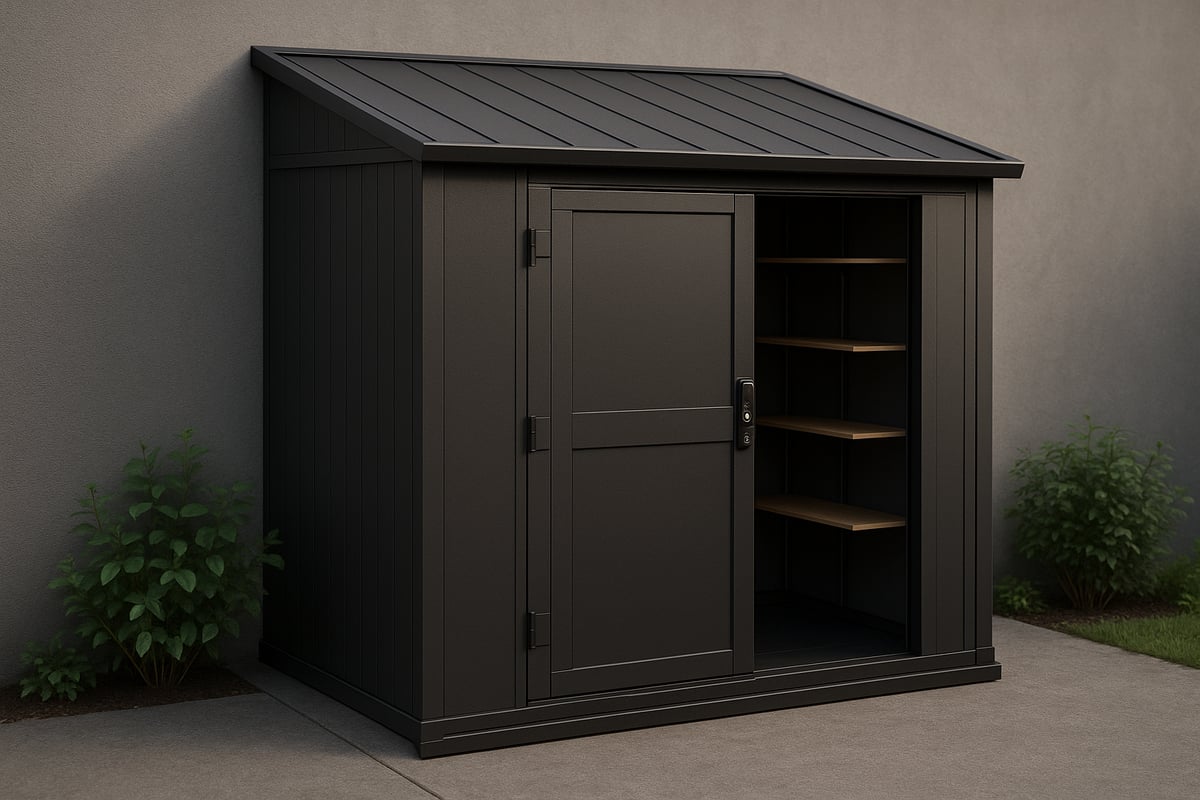
Security is another key factor. Choose sheds with lockable doors, reinforced panels, and hidden hinges to deter theft. Adding a padlock or alarm system provides extra peace of mind, particularly if you store valuable items like bikes or power tools.
Aesthetic and Style Choices
Lean on sheds are available in a variety of colors and styles to complement your garden decor. Options range from modern neutrals like gray and ivory to classic wood finishes. Contemporary sheds, such as the Suncast Modernist in stoney gray, offer sleek lines and minimalistic appeal, while traditional designs may feature wood grain textures or decorative trim.
Selecting a style that matches your home and landscape enhances curb appeal and ensures your shed blends seamlessly into its surroundings.
Accessibility and Usability
Accessibility is a defining feature of well-designed lean on sheds. Door placement and opening direction should suit your garden layout, with some models offering reversible doors for flexibility. Ramps make it easy to move bikes, wheelbarrows, or heavy equipment in and out.
Interior organization is equally important. Utilize shelving, pegboards, and storage bins to make the most of vertical space and keep items tidy. For creative ideas on optimizing your shed’s interior, explore Shed Storage Solutions Ideas for practical tips tailored to lean on sheds.
With the right design and planning, lean on sheds deliver efficient, accessible storage tailored to your specific needs and space constraints.
Key Features to Look For in 2025 Lean On Sheds
Selecting the right lean on sheds in 2025 means focusing on features that guarantee long-term value, durability, and ease of use. Below, you will find the essential elements that set the best lean on sheds apart, ensuring your investment stands the test of time and weather.
Weather Resistance and Durability
A top priority for lean on sheds is weather resistance. Look for UV-protected panels, waterproof exteriors, and wind resistance ratings up to 120 mph. Durable materials like vinyl, resin, and galvanized steel offer superior performance in harsh climates. These features help prevent cracking, fading, and leaks, extending the shed's lifespan and protecting your stored items.
Foundation and Floor Systems
A stable foundation is crucial for lean on sheds. Many models offer foundation kits that provide enhanced stability and moisture protection. Decide whether a shed with an included floor or one requiring a separate base best suits your needs. Floors help prevent damp, pests, and uneven settling, especially in wetter regions. Ensure your chosen system matches your garden's terrain.
Assembly and Installation
Ease of assembly is a key consideration with lean on sheds. Choose between pre-assembled panels or DIY kits, depending on your skill level. Most modern sheds take two to six hours to assemble, and many retailers now offer professional installation services for added convenience. Clear instructions, labeled parts, and support lines help make the process smooth and stress-free.
Customization and Expansion
The best lean on sheds offer modular panels and a range of add-ons. Expand your shed later with extra shelving, hooks, tool racks, or storage bins as your needs grow. Smart features are also trending, including lockable doors and improved ventilation systems. For more on emerging trends like eco-friendly materials and smart upgrades, see Top Design Trends in Sheds for 2025.
Security and Safety
Security is a must-have for lean on sheds. Look for integrated locks, tamper-resistant hinges, and reinforced doors to deter theft. According to recent data, 80 percent of shed thefts occur in sheds lacking proper locks. Robust construction and hidden hinges add an extra layer of protection for your valuable tools and equipment.
Warranty and After-Sales Support
A reliable warranty is a sign of a quality lean on shed. Expect 10 to 15 years for vinyl, and 5 to 10 years for metal sheds. Responsive customer support and easy access to spare parts are equally important. Always check warranty details before purchasing, and confirm that after-sales assistance is available if needed.
Popular Brands and Models
Trusted brands lead the market for lean on sheds. Duramax’s SideMate series and Suncast’s Modernist line are standout choices, offering weatherproof construction, security features, and modern styling. Handy Home Products, Outsunny, and Cedarshed also provide diverse options for various budgets and preferences. Compare models to find the best fit for your outdoor space.
Step-by-Step Buying Guide: How to Choose and Purchase Your Lean On Shed
Navigating the process of buying lean on sheds in 2025 is easier when you follow a clear, logical plan. This guide breaks down each step so you can confidently select, purchase, and install the ideal shed for your outdoor space.
Step 1: Define Your Storage Goals and Budget
Begin by listing everything you want to store in your lean on sheds. Think about tools, bikes, bins, and garden equipment. This will help you determine the right size and type.
Set a realistic budget, considering not just the initial purchase but also potential future needs. Prices vary, so prioritize what matters most: space, durability, or aesthetics.
Step 2: Select the Best Material for Your Climate and Maintenance Preference
Match your local weather and maintenance habits with the right material. Vinyl and resin offer unmatched weather resistance and low upkeep, making them favorites for wet climates. Metal provides strength and security, while timber delivers a classic look and natural insulation.
If you’re drawn to the traditional appeal of wood, explore more about timber options in Wooden Sheds for Small Gardens. Consider long-term care requirements and how each material ages over time.
Step 3: Measure Your Space and Check Local Regulations
Accurate measurements are crucial for lean on sheds. Use a tape measure to confirm the width, depth, and height available, and mark out the shed footprint. Leave enough clearance for doors and access.
Check local zoning rules or planning permissions, especially in Ireland and the UK. This prevents costly mistakes or disputes with neighbors.
Step 4: Compare Shed Sizes, Layouts, and Features
Review different models and layouts to match your storage needs. Lean on sheds come in compact sizes for tools or larger versions for bikes and bins. Compare door types, ventilation options, and floor systems.
Use comparison tables or online tools to shortlist suitable models. Look for features like lockable doors, double doors for wide items, and modular layouts.
Step 5: Choose Trusted Brands and Retailers
Research reputable brands such as Duramax, Suncast, and Outsunny. Read customer reviews to gauge build quality, ease of assembly, and after-sales support. Choosing well-reviewed lean on sheds reduces the risk of dissatisfaction and returns.
Select retailers offering transparent pricing, reliable delivery, and clear warranty terms. Look for seasonal discounts or bundled deals to maximize value.
Step 6: Decide on DIY or Professional Installation
Assess your comfort with self-assembly. Many lean on sheds arrive in pre-assembled panels and can be built in a few hours with basic tools. If you prefer convenience, some brands offer professional installation services for a fee.
Factor in your available time and skill level before making this decision. Proper assembly ensures durability and security.
Step 7: Order, Schedule Delivery, and Prepare the Site
Once you’ve chosen your shed, place your order with a trusted retailer. Confirm delivery timelines, return policies, and warranty details. Prepare your site by leveling the ground, installing a foundation if needed, and ensuring easy access for delivery.
A well-prepared site makes installation smoother and prolongs the life of your lean on sheds.
Step 8: Assemble, Secure, and Organize Your Shed
Follow the manufacturer’s instructions step by step. Organize all parts and tools beforehand for efficiency. Secure your lean on sheds with quality locks and consider adding shelving or pegboards for organization.
Inspect the finished shed for stability, weatherproof seals, and proper function. Enjoy your new storage solution, knowing it’s set up for long-term success.
Where to Buy: Top Retailers, Brands, and What to Look For
Finding the best place to buy lean on sheds can feel overwhelming, given the variety of options and retailers available in 2025. Whether you prefer in-store shopping or browsing online, understanding where to find top-quality sheds will save you time, money, and hassle.
Leading Retailers and Online Stores
In 2025, trusted retailers like Home Depot offer a vast range of lean on sheds, from compact tool storage units to spacious modular systems. Their in-stock selection, same-day delivery, and professional installation services make them a go-to option for many buyers. Specialist suppliers such as Duramax Factory Direct focus on premium vinyl models and provide direct pricing, expert advice, and optional installation. For those who prefer to shop online, Amazon and Wayfair feature user-friendly filters to compare shed sizes, materials, and price points. The growing demand for versatile storage options is reflected in the US Outdoor Storage Market to Hit $3 Billion by 2029, showing just how popular lean on sheds have become.
Popular Brands and Model Recommendations
When considering lean on sheds, several reputable brands stand out in 2025. Duramax leads with its SideMate, Sidepro, and Woodbridge series, all known for durability and weather resistance. Suncast is another top choice, offering Modernist and vertical storage shed models that blend style and practicality. Handy Home Products, Outsunny, and Cedarshed round out the list, each providing unique features such as customizable layouts or natural wood finishes. According to the Outdoor Storage Shed Market Regional Outlook, resin and metal models are especially popular in North America for their low maintenance and strength.
What Sets Top Retailers Apart
The best retailers for lean on sheds make it easy to narrow your choices by offering advanced filter options for size, color, material, and price. Many also provide in-home installation, foundation kits, and comprehensive after-sales support. Customer service is a key differentiator, with top stores ensuring warranty coverage and responsive help. Exclusive bundled offers, such as discounted installation or accessory kits, further enhance the value. Choosing a retailer with these benefits can simplify your shed-buying experience.
Price Ranges and Value for Money
Lean on sheds are available at a variety of price points to match different budgets. Small models typically start from €200 to €500, while medium and large sheds range from €700 to €1200. Seasonal promotions, such as Black Friday sales, can provide significant savings or bundled extras like shelving. Here is a quick pricing overview:
| Shed Size | Typical Price Range |
|---|---|
| Small (under 36 sq ft) | €200–€500 |
| Medium (36–101 sq ft) | €700–€900 |
| Large (over 101 sq ft) | €900–€1200 |
Investing in a high-quality shed often means lower long-term maintenance costs and better durability.
Customer Reviews and Ratings
Before purchasing lean on sheds, it is wise to check verified customer reviews for each model and retailer. Look for feedback on build quality, assembly difficulty, and after-sales support. For example, the Duramax 4×8 SideMate Vinyl Shed enjoys a 4.75/5.0 average rating from buyers, reflecting its reliability and ease of use. Consistently positive reviews can indicate a shed's true value and help you avoid common pitfalls.
Tips for a Smooth Buying Experience
To ensure a seamless purchase, always confirm stock availability and estimated delivery times with your chosen retailer. Clarify return policies and warranty details before placing your order. Use comparison tools provided by major outlets to evaluate features, prices, and accessories. Planning ahead, measuring your space carefully, and reading the fine print will help you make the most of your investment in lean on sheds.
Expert Tips for Installation, Maintenance, and Maximizing Shed Longevity
Proper installation and care are crucial for getting the most from lean on sheds. Whether you are a first-time buyer or upgrading your outdoor storage, following expert advice will ensure your shed stands the test of time and changing weather conditions. With the surge in demand for lean on sheds, a focus on longevity and best practices is more important than ever.
Site Preparation and Foundation
Start by choosing a level site with good drainage for lean on sheds. Mark the area, clear debris, and use a spirit level to check for evenness. A solid foundation is essential, whether you use concrete slabs, paving stones, or a foundation kit.
Anchoring is especially vital for windy locations. Secure your shed with ground anchors or bolts to prevent shifting. Proper site prep helps prevent water ingress and extends the lifespan of lean on sheds.
Assembly Best Practices
Organize all parts and tools before beginning assembly. Review manufacturer instructions thoroughly. For lean on sheds, assembling with a partner can speed up the process and ensure panels align correctly.
Common mistakes include misaligned panels or missing fasteners. Take your time, double-check each step, and keep all hardware within reach. Following these tips makes assembling lean on sheds efficient and stress-free.
Maintenance for Different Materials
Routine maintenance keeps lean on sheds looking and functioning like new. For vinyl or resin, wash surfaces with mild soap and water. Metal sheds need periodic checks for rust and may require touch-up paint.
Timber sheds demand annual treatment with sealant or paint to resist rot. Always inspect for pests or leaks after storms. Consistent care ensures your lean on sheds remain a reliable storage solution.
Weatherproofing and Security Upgrades
Enhance weatherproofing by adding weatherstripping to doors and windows. Install gutters to direct water away from the base, and consider extra locks or alarms for added security.
Tamper-resistant hinges and reinforced panels deter theft. With more lean on sheds being used for valuable storage, these upgrades are a wise investment.
Organization and Interior Optimization
Smart storage solutions maximize the efficiency of lean on sheds. Install shelving units, pegboards, and hooks to keep tools and equipment organized.
Make use of vertical space for bulky items. Add ramps for easy access with bikes or wheelbarrows. Organized interiors help you quickly find what you need and keep lean on sheds clutter-free.
Troubleshooting and Repairs
If you notice leaks, condensation, or damage, address issues promptly. Check seals and panels after severe weather. Replacement parts are usually available from major brands.
Quick repairs prevent small problems from becoming major. Keeping a basic toolkit handy ensures lean on sheds stay in top shape year-round.
Seasonal Care and Long-Term Storage
Prepare lean on sheds for winter by clearing gutters, checking seals, and storing sensitive items off the floor. Rotate stored items seasonally for easier access.
Proper seasonal care reduces wear and extends the life of your shed. As industry data shows, more homeowners are investing in quality sheds for long-term use, reflecting the continued growth seen in the Shed Business Climate Survey – April 2025 Survey Results.
Now that you have a clear understanding of how to choose the perfect lean on shed for your outdoor space in 2025, you might be considering the next steps. From finding the right material and size to ensuring long lasting durability, every detail matters when it comes to protecting your tools and garden essentials. If you're seeking exceptional quality and reliable performance, you’ll want to explore sheds built for Irish weather and practical needs. For an eco friendly, steel option that’s both stylish and sturdy, check out our Free Delivery on your ECO Steel Garden Shed.
Discover more from Coola Living Ireland
Subscribe to get the latest posts sent to your email.