

Unlock new possibilities for travel and adventure with car roof bars. Whether you’re planning a family holiday, transporting sports gear, or simply need extra storage, the right solution can transform your driving experience.
This comprehensive 2026 guide will help you navigate the world of car roof bars. We cover everything from choosing the right type, ensuring compatibility, and safe installation, to understanding legal considerations and exploring the latest innovations.
Discover how to avoid common mistakes, maximize your vehicle’s potential, and make confident, informed decisions. Let’s expand your options with clear advice and expert insights.
Understanding Car Roof Bars: Types, Materials, and Uses
Choosing the right car roof bars can transform your vehicle’s capabilities. Whether you are planning a family holiday or need extra space for sports equipment, understanding the basics of car roof bars is essential. Let’s explore what they are, the main types, the materials used, and the key benefits for Irish drivers.
What Are Car Roof Bars?
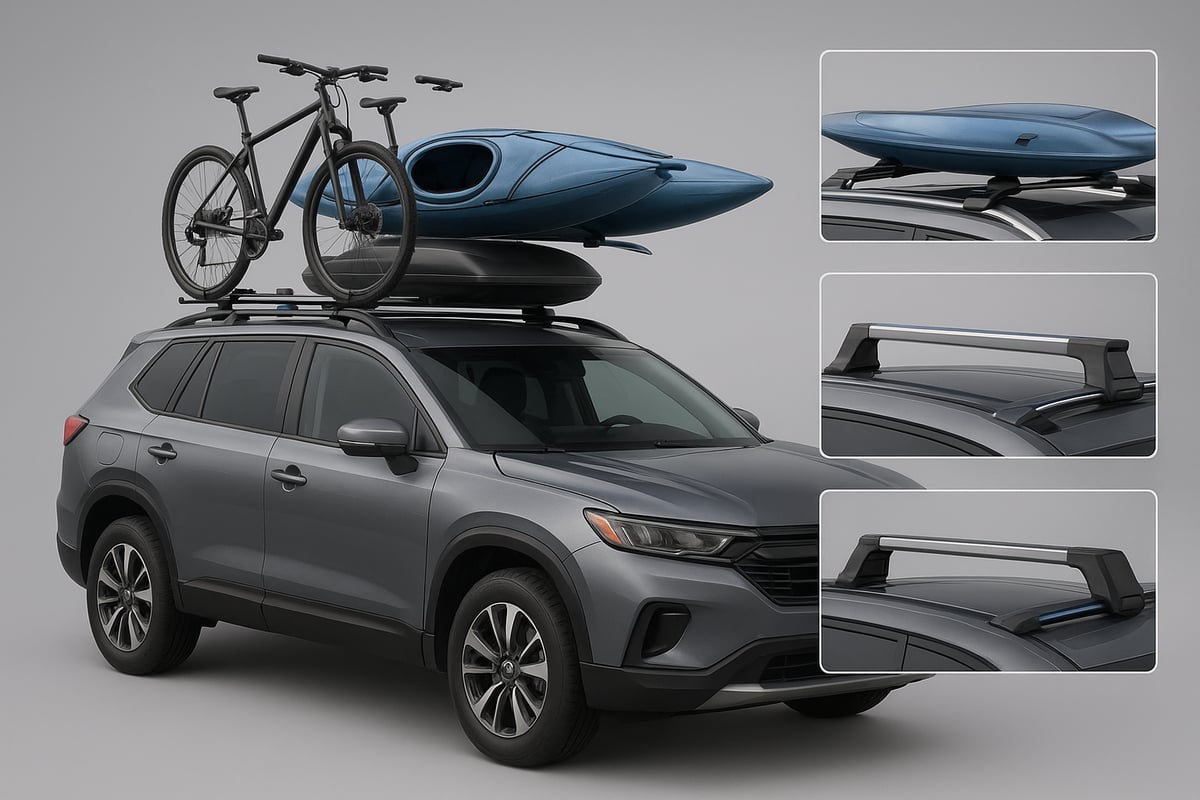
Car roof bars are external supports that mount to your vehicle’s roof, providing a secure base for carrying extra cargo. Unlike roof racks, which are frameworks designed for specialized loads, car roof bars are simpler crossbars that serve as a foundation for roof boxes, bike carriers, and other accessories.
Most drivers use car roof bars for transporting luggage, bicycles, sports gear, or bulky items that do not fit inside the boot. Imagine a family road trip where everyone’s suitcases and camping supplies fit comfortably thanks to roof bars. According to Thule and Yakima, adding car roof bars can increase your vehicle’s storage space by up to 75 percent.
Types of Roof Bars
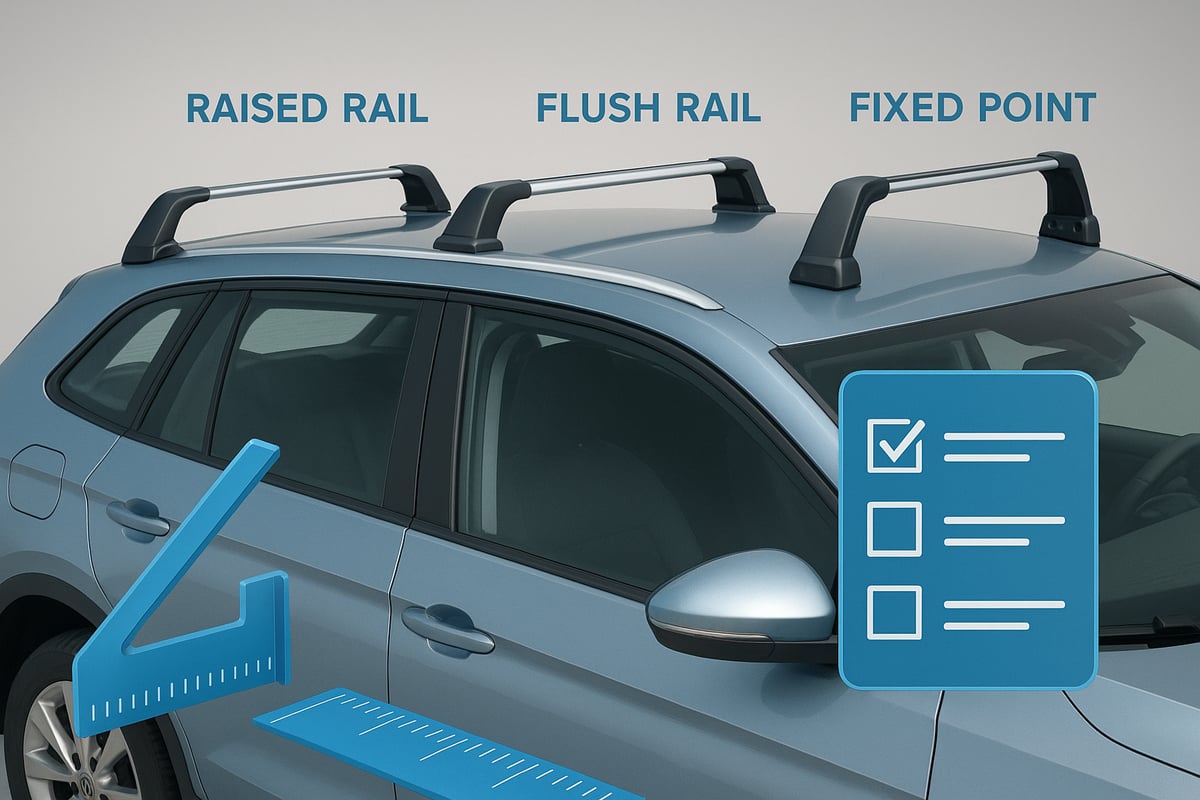
There are several main types of car roof bars, each suited to different vehicles and needs. The most common mounting systems are raised rail, flush rail, and fixed point. Raised rails are easy to spot as they stand above the roof, while flush rails sit tightly against it. Fixed point systems use designated mounting spots set by the manufacturer.
When choosing car roof bars, you’ll also find universal options, which fit many vehicles, and vehicle-specific bars tailored to exact makes and models. The bar shape matters too—options include aerodynamic (aero), square, and heavy-duty bars.
Below is a quick comparison:
| Type | Pros | Cons |
|---|---|---|
| Aero | Low wind noise, sleek look | Higher cost |
| Square | Affordable, sturdy | More wind noise |
| Heavy-duty | High load capacity | Heavier, less aerodynamic |
For example, aero bars can reduce wind noise by up to 55 percent, according to Thule data. To see real-world options for both flush and raised rail roof bars, check out Flush and raised rail roof bars.
Materials and Durability
Car roof bars are typically made from aluminum, steel, or composite materials. Aluminum bars are favored for their light weight and strong corrosion resistance, making them ideal for Ireland’s wet climate. They are also up to 30 percent lighter than steel bars, which can help with fuel efficiency and make installation easier.
Steel bars, while heavier, are valued for their strength and durability, suitable for heavier loads and commercial use. Composites combine materials for a balance of strength and weight, though they are less common. Always consider weather resistance and lifespan when selecting car roof bars for year-round use.
Key Uses and Benefits
Car roof bars offer outstanding versatility for Irish families, commuters, and businesses. Major benefits include:
- Expanding cargo space for holidays and outdoor trips
- Carrying bikes, canoes, skis, and work tools
- Making vehicles more adaptable for changing needs
Safety and convenience are also improved, as properly installed car roof bars keep loads secure and free up interior space. For families, this means less clutter and more comfort on long journeys.
Data from AA Ireland (2025) shows that one in four Irish car owners use car roof bars for holiday travel. Whether you need extra room for sports gear or want to transport work equipment, car roof bars are a practical solution for modern driving.
Compatibility and Choosing the Right Roof Bars for Your Vehicle
Choosing the right car roof bars starts with understanding your vehicle and your specific needs. Compatibility is not just about fit, but also about safety, legal compliance, and peace of mind on every journey.
Assessing Your Vehicle’s Roof
The first step to choosing car roof bars is to examine your vehicle’s roof design. Most cars have one of four roof types: raised rails, flush rails, fixed points, or a bare roof. Raised rails are the most common on SUVs and estates, running along the length of the roof and providing easy attachment points.
Flush rails sit tightly against the roof, requiring specific fitting kits. Fixed points are small, hidden mounting locations set by the manufacturer, while bare roofs have no fixtures, demanding a unique clamp system.
Measuring your roof’s width and length is crucial. Always check your car’s manual for maximum load limits. For instance, a VW Golf may support a different roof bar style and weight than a Ford Kuga, even if both have rails. Many drivers find that raised rails roof bar options offer a straightforward fit for vehicles with compatible rails, reducing installation complexity and risk.
Understanding these details ensures your car roof bars are not only compatible but also safe for carrying your intended cargo.
Matching Roof Bars to Your Needs
Once you know your roof type, consider how you plan to use your car roof bars. Weight capacity is a primary factor. Think about what you intend to transport: bikes, roof boxes, kayaks, or ladders all have different requirements.
If you are a regular cyclist, you may need bars that can handle frequent loading and support specific bike mounts. Occasional holidaymakers might prioritize easy removal and storage instead. Frequency of use impacts your choice, as heavier-duty bars suit regular users, while lighter, universal models can suffice for occasional trips.
Selecting the right car roof bars for your needs prevents overloading and maximizes convenience.
Vehicle Make, Model, and Year Considerations
Car roof bars must match your vehicle’s make, model, and year exactly. Vehicle-specific fit is essential because roof shapes, mounting points, and spacing vary widely.
Online fit guides from leading brands like Thule, Menabo, or Yakima are invaluable tools for finding the perfect match. Always double-check compatibility, as even slight mismatches can lead to poor fitment or safety issues. Common pitfalls include assuming bars for one model year fit another or overlooking subtle differences in roof shapes.
Taking the time to ensure precise compatibility protects both your car and your cargo.
Legal and Insurance Requirements
Ireland and the EU have strict regulations on roof loads and overhangs. You must not exceed the maximum allowed weight or let cargo extend dangerously beyond the car’s profile. Always check the Rules of the Road and your vehicle’s manual for legal limits.
Improper installation or overloading can affect your insurance coverage. Some policies may not cover damages if non-approved car roof bars are used or if installation guidelines are ignored. Reporting modifications to your insurer helps avoid potential disputes in case of an accident.
Staying compliant with legal and insurance requirements is as important as the correct fit.
Example Fitment Scenarios
Let’s consider a 2026 Toyota RAV4 Hybrid. This SUV often comes with flush rails, so you’ll need bars specifically designed for that configuration. A common mistake is purchasing universal bars that do not properly secure to flush rails, leading to instability.
Another frequent error is ignoring the manufacturer’s load rating, which can cause damage or compromise safety. According to Halfords Ireland, 60% of roof bar returns are due to compatibility issues, highlighting the importance of careful selection.
By understanding your specific vehicle’s needs and checking all compatibility factors, you ensure your car roof bars support every journey safely.
Step-by-Step Guide: Installing Car Roof Bars Safely and Correctly
Installing car roof bars the right way is crucial for safety, performance, and peace of mind. Follow this expert, step-by-step guide to ensure your bars are secure and ready for every journey.
Preparation and Tools Needed
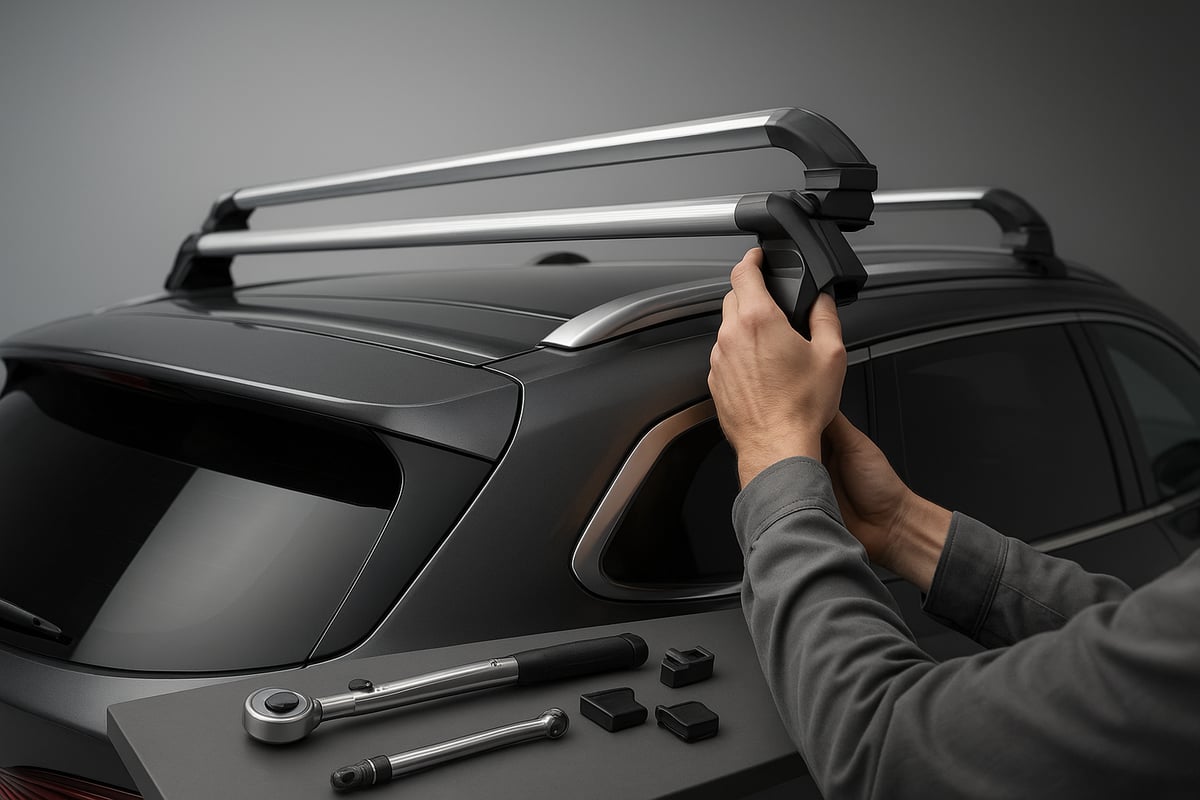
Before starting, gather all the essential tools and materials. You’ll need a torque wrench, tape measure, soft cloths, and the full car roof bars kit. Check the manufacturer’s instructions and verify all parts are present.
Set up a flat, clean workspace to avoid scratching your vehicle. Wear gloves and eye protection for safety. If you’re unsure about any step, consult a Roof bar installation guide for detailed visual instructions. This preparation helps ensure you install your car roof bars correctly the first time.
Step 1: Identify Mounting Points
Examine your vehicle’s roof to locate the correct mounting points. These may include raised rails, flush rails, fixed points, or door frames, depending on your car model.
Clean these contact areas thoroughly to guarantee a secure grip for the car roof bars. Dirt or debris can compromise the installation and may even damage your paintwork. Precise identification at this stage is vital for a safe and snug fit.
Step 2: Assemble Roof Bars
Unpack the components of your car roof bars and lay them out in order. Follow the manufacturer’s guide for assembling the crossbars and feet.
Ensure all parts are facing the right direction and spaced correctly. Pre-assembly on the ground allows you to spot missing pieces or alignment issues before attaching anything to your vehicle. Take your time—accuracy here will simplify the later steps.
Step 3: Position and Attach Bars
Now, carefully lift the assembled car roof bars onto the roof. Align them with the mounting points and set the bars at the recommended spacing, usually between 70 and 100 centimeters apart.
Check that the overhang on each side is even. Proper alignment not only improves safety but also reduces wind noise and wear during travel. Double-check everything before moving on to the next step.
Step 4: Secure and Tighten
Using a torque wrench, tighten all bolts and fasteners to the manufacturer’s specified settings. This ensures the car roof bars are secure but not over-tightened, which can damage the roof or components.
Work evenly from side to side, tightening each point a little at a time. Avoid using excessive force. Proper tension is critical for both safety and the longevity of your equipment.
Step 5: Safety Checks and Load Testing
With the car roof bars in place, perform a thorough safety check. Make sure all locks are engaged and anti-theft features are activated if included.
Give each bar a firm shake to test stability. Take a short, low-speed drive to listen for unusual noises or movement. Address any issues before loading your gear. This step is essential for safe, reliable performance on the road.
Common Installation Mistakes and How to Avoid Them
Many issues with car roof bars arise from simple errors. Overloading or uneven cargo distribution can affect handling and safety. Incorrect bar placement often leads to wind noise or leaks.
Always double-check that all locks and fasteners are secure. According to RSA Ireland, 15% of roof bar accidents result from improper installation. Avoid rushing and review each step. Taking the time now helps prevent costly mistakes and ensures every trip is safe.
Safety, Maintenance, and Legal Considerations in 2026
Car roof bars add versatility and convenience, but safety, upkeep, and legal compliance are crucial in 2026. Understanding these areas ensures you get the most out of your car roof bars while avoiding costly mistakes.
Safe Loading and Weight Distribution
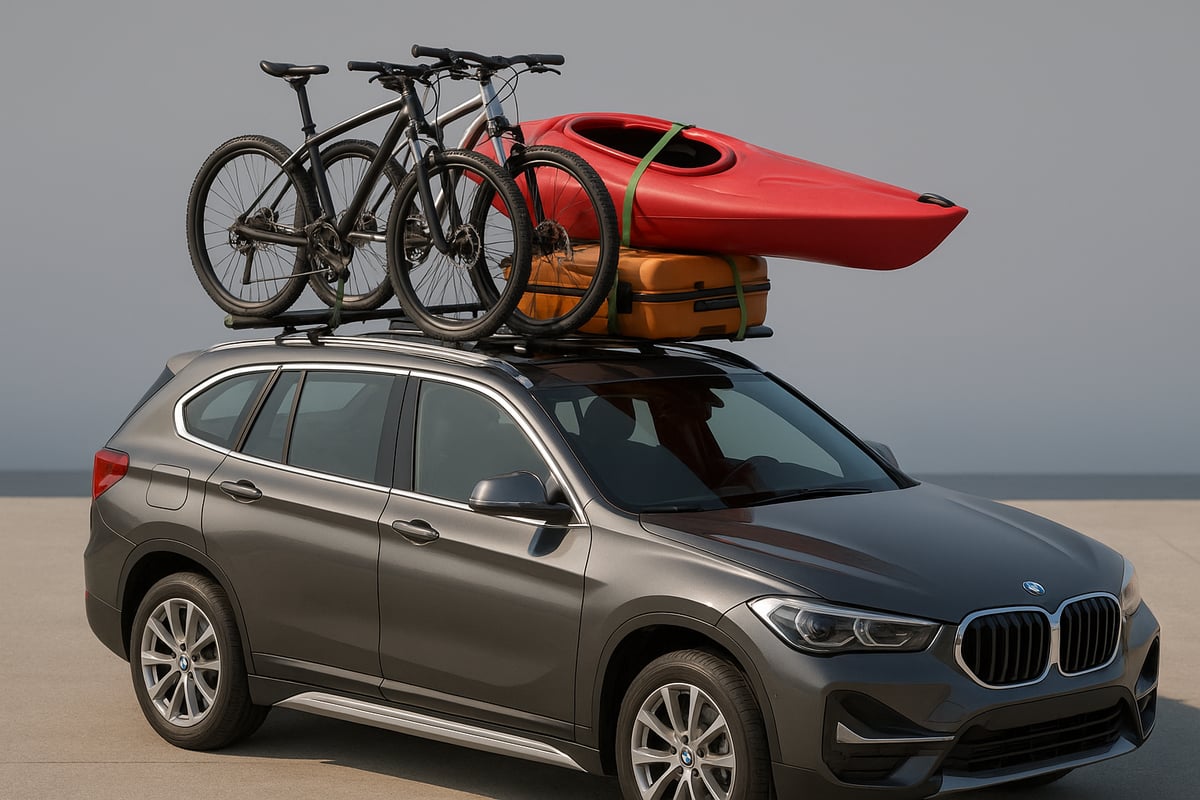
When using car roof bars, always calculate your total load by adding the weight of the bars and all cargo. Exceeding the vehicle’s or bars’ limits can affect handling and safety. Distribute weight evenly across the bars, keeping heavier items centered and low to reduce the risk of roll or sway.
Secure all items tightly using straps or nets designed for car roof bars. Avoid overhanging items that could obstruct your view or violate regulations. If transporting irregular cargo, like bikes or canoes, use purpose-built mounts. A balanced load preserves stability, keeps your journeys safe, and protects your investment in car roof bars.
Driving with Roof Bars: Best Practices
Driving with car roof bars changes your vehicle’s aerodynamics and handling. Reduce speed, especially in windy conditions or when carrying large items. Listen for wind noise or vibrations, which can indicate loose fittings or improper alignment.
Expect fuel consumption to rise, sometimes by up to 10 percent, due to increased drag. Check your bars regularly during long trips, especially after loading or refueling. Adapting your driving habits ensures car roof bars remain a safe, efficient addition to your travels.
Maintenance and Longevity
Regularly inspect car roof bars for signs of wear, corrosion, or loose fittings. Clean the bars and mounts after exposure to rain or coastal air, as Irish weather can accelerate corrosion. Store bars in a dry place when not in use to extend their lifespan.
Lubricate locks and moving parts every few months. Tighten all fasteners before each trip. If you notice any rust or damage, replace affected parts immediately. Consistent maintenance keeps car roof bars reliable and ready for every adventure.
Legal Updates for 2026
In 2026, new EU and Irish regulations require that car roof bars and accessories meet updated safety standards. Always check the maximum allowed load, overhang, and ensure your cargo does not obscure lights or number plates.
Enforcement of these rules has increased, and penalties for non-compliance can be steep. For precise guidance, consult the Rules of the Road – Roof Racks and Roof Boxes, which outlines legal responsibilities for car roof bars in Ireland. Staying informed and compliant keeps your journeys stress-free and within the law.
Insurance and Warranty Considerations
Adding car roof bars is a modification you should report to your insurer. Failing to disclose changes can invalidate your policy, especially if improper installation leads to claims. Check that your policy covers roof-mounted accessories and cargo.
Review the manufacturer’s warranty for your car roof bars. Most brands offer coverage for defects, but not for misuse or overloading. Thule, for example, provides a five-year warranty if installation guidelines are followed. Understanding insurance and warranty terms protects your investment and ensures peace of mind every time you use your car roof bars.
Top Roof Bar Brands and Innovations for 2026
Choosing the right car roof bars starts with understanding what the top brands offer. In 2026, the market is led by trusted names that bring together safety, performance, and smart design. Whether you travel for business or adventure, the right car roof bars combine reliability with the latest technology so you can drive with confidence.
Leading Brands and What Sets Them Apart
When it comes to car roof bars, leading brands like Thule, Yakima, Menabo, and Rhino-Rack stand out for their innovation and reliability. Thule is known for its WingBar Evo, which uses advanced aerodynamic design to reduce wind noise and drag. Yakima focuses on ease of use and robust anti-theft systems, making their products popular among cyclists and outdoor enthusiasts.
Menabo has made a name for itself with versatile, value-driven solutions, while Rhino-Rack excels in heavy-duty options favored by tradespeople and adventurers. Each of these brands offers unique features such as integrated locks, lightweight construction, and compatibility with a wide range of vehicles. Choosing car roof bars from these industry leaders ensures peace of mind and performance, no matter your travel needs.
Latest Innovations and Smart Features
The evolution of car roof bars in 2026 is driven by smart technology and user convenience. Modern bars now include integrated locking systems, giving owners added security for their gear. Some models feature app-based monitoring, allowing you to check lock status and even track your cargo in real time.
Lightweight composites and recycled materials are increasingly used, reducing overall weight without sacrificing strength. Tool-free installation has become a standard, making it easier than ever to fit and remove car roof bars. For those wanting practical advice on safe use and loading, resources like the Top 10 Dos and Don’ts When Travelling With A Roof Rack can help drivers get the most out of these innovations.
Eco-Friendly and Sustainable Options
Sustainability is now at the forefront of car roof bars design. Many brands are adopting low carbon footprint practices, using recycled aluminum and plastics in their manufacturing. Menabo’s 2026 eco-series stands out, featuring up to 80% recycled content without compromising durability or load capacity.
Thule and Yakima are also making strides by offering lines of car roof bars with eco-friendly coatings and packaging. Opting for these sustainable options not only supports the environment but also meets the needs of eco-conscious drivers. As demand for green products grows, expect more options that balance performance with responsibility.
Price Range and Value for Money
Car roof bars in Ireland span a broad price range in 2026, with options to suit every budget. Budget bars typically start from €80 to €150, offering basic functionality and fit for occasional use. Mid-range options cost between €150 and €300, providing better aerodynamics, improved locks, and wider compatibility.
Premium models, like those from Thule and Yakima, can range from €300 up to €500, delivering top-tier features, longer warranties, and advanced materials. The table below summarizes the main differences:
| Price Range | Features | Typical Brands |
|---|---|---|
| Budget | Basic fit, steel, no locks | Menabo, entry Rhino-Rack |
| Mid-range | Aero design, anti-theft, aluminum | Thule, Yakima, Menabo |
| Premium | Smart tech, eco-materials, warranty | Thule, Yakima |
Balancing price, features, and warranty ensures you get the best value when investing in car roof bars for your vehicle.
Frequently Asked Questions About Car Roof Bars
Curious about car roof bars? Below, we answer the most common questions drivers ask, helping you make informed decisions and avoid costly mistakes.
Can I Fit Roof Bars Myself?
Many drivers wonder if installing car roof bars is a DIY job. The answer depends on your confidence with basic tools and following detailed instructions. Most modern car roof bars come with clear guides and all necessary fittings. For a secure installation, use a torque wrench, tape measure, and always double-check the fit. Some vehicles require special fixing kits, such as roof rack and bar fixing kits, to ensure a snug and safe attachment. If you feel unsure, professional fitting is always an option for peace of mind. Take your time and work in a well-lit area to avoid mistakes.
How Much Weight Can I Carry?
Knowing the weight limits for car roof bars is essential for safety and compliance. Each vehicle and bar model has a specific maximum load, typically between 50 and 100 kg, including the bars themselves. Always check your car’s manual and the roof bar manufacturer’s guidelines. Overloading can impact handling and may void insurance. For example, carrying bikes or a roof box for a family holiday will require careful planning and even weight distribution. Remember, exceeding these limits can also risk damaging your vehicle or causing an accident. When in doubt, stay well under the maximum recommended weight.
Will Roof Bars Damage My Car?
Properly installed car roof bars should not damage your vehicle. Quality bars include rubber pads and protective coatings to prevent scratches or dents. Always clean the roof contact points before fitting to avoid trapped dirt causing abrasion. Use the recommended torque settings to avoid crushing or deforming the roof rails. Most issues arise from incorrect installation or over-tightening. If you notice water leaks or marks after removal, inspect the seals and paintwork. Choose reputable brands and follow the instructions closely. For added security, regularly check all fittings and locks, especially before long trips.
Are Roof Bars Noisy?
Wind noise is a common concern with car roof bars, especially at higher speeds. The design and shape of the bars play a significant role. Aerodynamic bars, often called aero bars, are engineered to reduce wind resistance and can cut noise by more than half compared to square or heavy-duty bars. Improper placement or loose fittings can increase whistling sounds. To minimize noise, ensure the bars are aligned and all components are tightly secured. Removing the bars when not in use also helps. Opt for modern aero designs if you want the quietest ride possible.
Do Roof Bars Affect Fuel Economy?
Yes, car roof bars can impact your vehicle’s fuel efficiency. Adding bars increases aerodynamic drag, which can raise fuel consumption by up to 10%, especially if you leave them on when not in use. The effect is greater when carrying bulky items like roof boxes or bikes. To reduce this impact, choose streamlined, low-profile bars and remove them when they are not needed. For a detailed look at how roof racks influence fuel use, see this study on fuel consumption impacts of auto roof racks. Planning your trips and packing efficiently can help you save at the pump.
Whether you are planning your next family adventure or simply want to make the most of your vehicle’s storage potential, investing in the right car roof bars is a game changer. With the right setup, you open up a world of possibilities for carrying bikes, sports gear, or extra luggage with confidence and safety. At CoolaLiving IE, we understand how important it is to have reliable storage solutions not just for your car but for your home as well. If you are looking to expand your outdoor storage, check out our Free Delivery on your ECO Steel Garden Shed to keep your gear organised and protected year round.
Discover more from Coola Living Ireland
Subscribe to get the latest posts sent to your email.

