
Maximize your van’s potential and discover how transit roof bars can revolutionize your cargo solutions in 2026. As the demand for flexible and secure van storage grows in Ireland and across Europe, finding the right system is more important than ever.
Modern transit roof bars offer versatility for everyone, from busy tradespeople to adventurous families. The right choice means improved load capacity, better organization, and enhanced safety for every journey.
In this guide, you will learn about the different types of transit roof bars, what to look for before buying, step-by-step installation, legal regulations for 2026, and essential maintenance tips. Everything you need to know to select, install, and maintain the best solution for your van is right here.
Understanding Transit Roof Bars: Types & Uses
Transit roof bars are essential additions for anyone looking to expand their van’s carrying capacity. At their core, these bars are sturdy crosspieces that attach to the roof of a van, providing anchor points for safely transporting bulky or oversized items. Unlike roof racks, which are broader frameworks designed for large or irregular loads, or roof rails, which run lengthwise along the vehicle’s roof, transit roof bars are typically installed side-to-side and optimized for specific cargo needs.
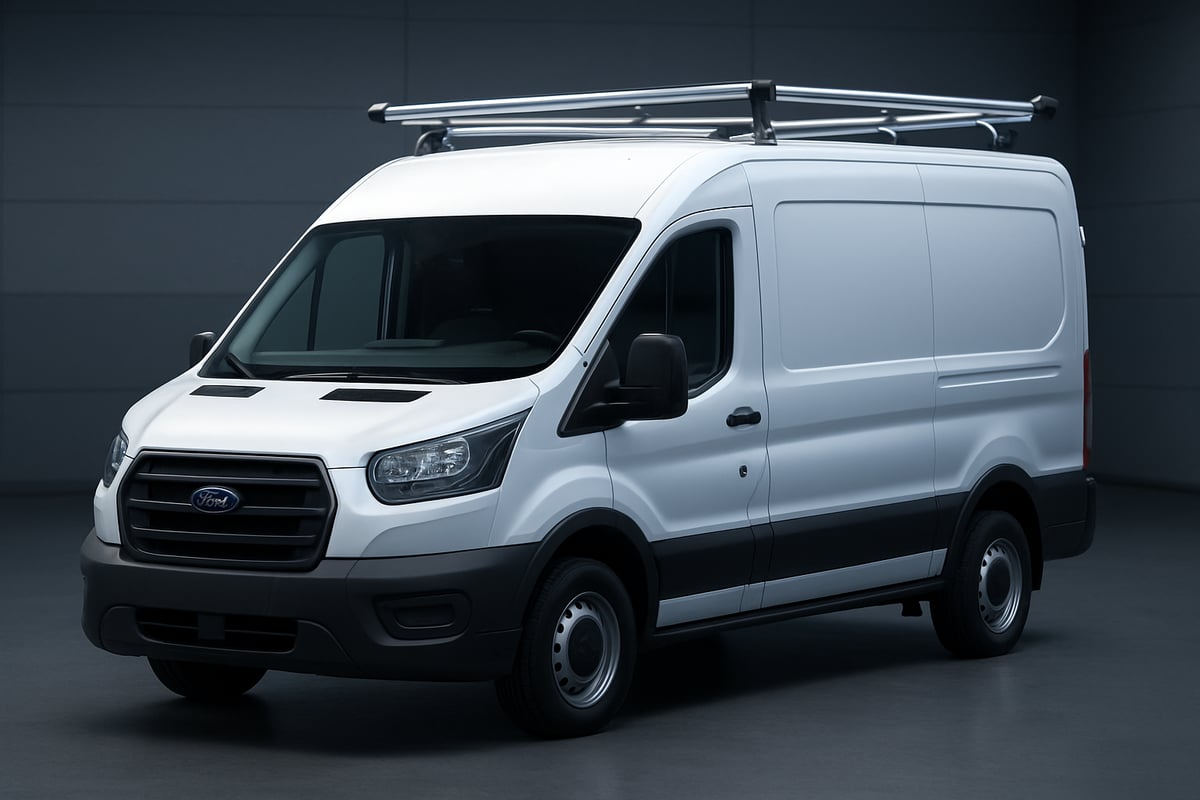
You’ll commonly find transit roof bars fitted on vehicles like the Ford Transit, Mercedes Sprinter, and Renault Trafic. Tradespeople rely on them to move ladders and pipes, while outdoor enthusiasts use them for kayaks or bikes. The versatility and utility of transit roof bars make them a go-to solution for both commercial and personal use.
What Are Transit Roof Bars?
Transit roof bars are crossbars designed to fit securely on the roofs of vans and commercial vehicles, enabling users to carry extra cargo externally. Their main function is to provide a stable platform for transporting items that might not fit inside the van due to size or shape.
It’s important to distinguish transit roof bars from roof racks and roof rails. Roof racks are larger, grid-like structures that allow for a broader range of cargo, while roof rails are factory-installed strips running the length of the roof, often used as mounting points for bars or racks.
Vehicles such as the Ford Transit, Mercedes Sprinter, and Citroën Relay are frequently equipped with transit roof bars. For example, a plumber might use them to carry long pipes, whereas a kayaker could transport a kayak securely on top of their van.
Main Types of Transit Roof Bars
There are several main types of transit roof bars and mounting methods, each suited to different van models and user needs. The most common installation styles include:
- Fixed point bars: Attach to pre-drilled points on the van roof.
- Raised rail bars: Clamp onto factory rails that stand above the roof.
- Flush rail bars: Fit snugly against rails that sit flush with the roof surface.
- Gutter-mounted bars: Use the rain gutters along the van’s roof edges.
The choice of material is also crucial. Aluminum transit roof bars are lightweight, corrosion-resistant, and easy to handle, making them ideal for lighter loads. Steel bars, by contrast, offer greater strength and durability for heavy-duty applications but are heavier and may be more prone to rust if not properly coated.
Here’s a quick comparison:
| Type | Mounting Method | Material Options | Best For |
|---|---|---|---|
| Fixed Point | Pre-drilled | Aluminum, Steel | Secure, permanent loads |
| Raised Rail | Clamp-on | Aluminum | Flexible installation |
| Flush Rail | Snug mount | Aluminum | Sleek, modern vans |
| Gutter-Mounted | Gutter clamps | Steel | Older vans, heavy loads |
Single-bar systems work for occasional, lighter loads, while multi-bar systems distribute weight evenly for larger or heavier items. For more details on installation styles and compatibility, see Flush & Raised Rails Roof Bars.
Aluminum bars are popular among delivery drivers who prioritize fuel efficiency, while tradespeople with heavy equipment often opt for steel bars.
Common Uses & Applications
Transit roof bars serve a wide range of practical purposes for both business and leisure. In the trades, they are indispensable for carrying ladders, long pipes, or timber that cannot fit inside the van.
For recreational use, transit roof bars enable the transport of bikes, kayaks, and roof boxes, making them invaluable for families and adventure seekers. Commercial delivery operators use these bars to secure parcels and goods for efficient transport.
According to a 2024 survey, 70 percent of van owners in Ireland use transit roof bars primarily for business purposes. This underscores their essential role in daily operations across industries.
Key Advantages of Using Roof Bars
The primary advantage of transit roof bars is the ability to maximize roof space, freeing up the van’s interior for other cargo or passengers. This not only increases load capacity but also enhances overall vehicle versatility and resale value.
Securing loads externally with transit roof bars improves safety, as it prevents tools and equipment from moving inside the van. For example, a contractor using roof bars to carry ladders reduces the risk of damaging the van’s interior or injuring occupants during sudden stops.
Transit roof bars also allow for better load organization, which can save time and effort on the job or during travel.
Limitations & Considerations
While transit roof bars offer many benefits, there are several limitations to consider. Weight restrictions are critical, as exceeding the recommended load can compromise safety and damage the vehicle. Height clearance becomes an issue when entering car parks or garages.
Additionally, transit roof bars may impact fuel efficiency due to increased wind resistance. Users might also notice additional noise at higher speeds, especially if the bars are not aerodynamically designed.
Careful selection and proper installation are key to minimizing these drawbacks and maximizing the benefits of transit roof bars.
Key Factors to Consider When Choosing Transit Roof Bars
Selecting the right transit roof bars is crucial for safety, efficiency, and long-term satisfaction. With so many options available, it is important to focus on specific factors that directly impact your van’s performance and your daily routines. In this section, we break down the essentials, making your decision process straightforward and informed.
Vehicle Compatibility & Fitment
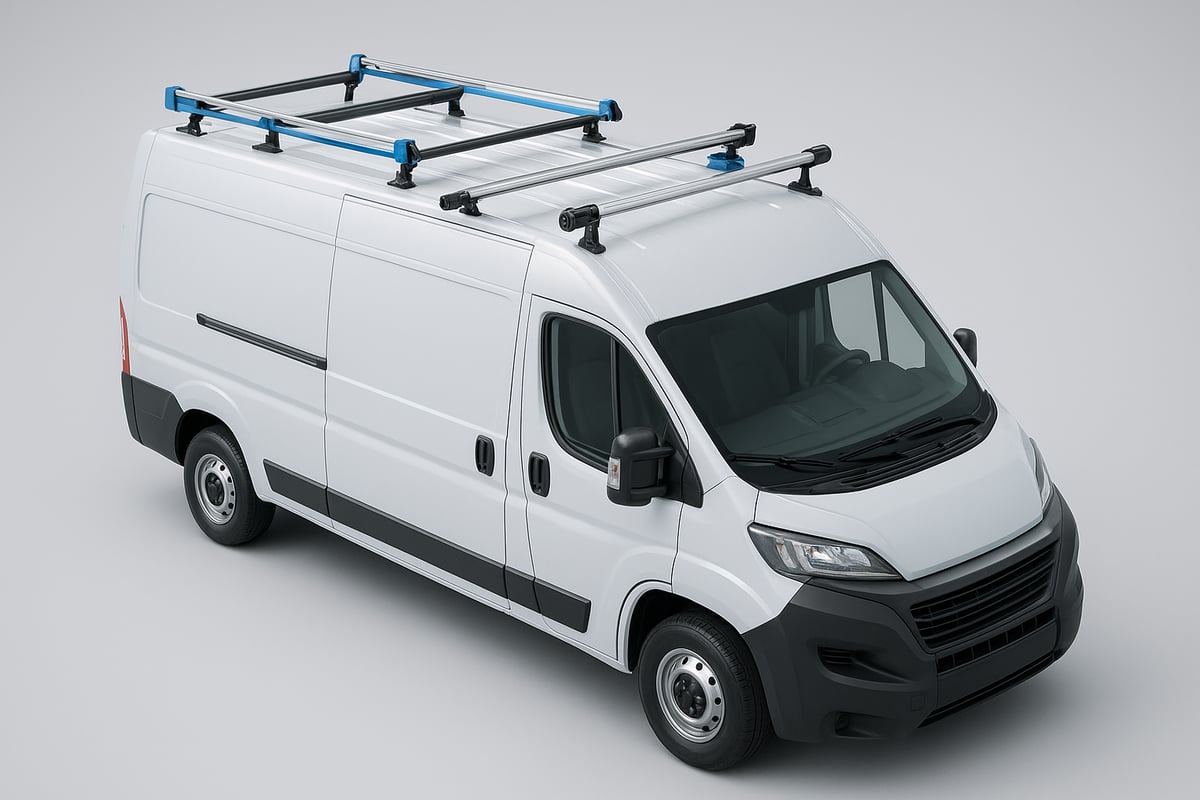
Before investing in transit roof bars, always confirm they are compatible with your specific van make, model, and year. Each vehicle has unique roof profiles and mounting points, which means not all bars fit every van.
Check if your van requires OEM (original equipment manufacturer) bars or if aftermarket options are suitable. Some systems need specialized fitment kits or adapters, so review the manufacturer’s compatibility chart before purchasing.
Pay close attention to mounting methods, such as fixed points, raised rails, or gutter mounts. Proper fitment ensures your transit roof bars are secure, stable, and safe for daily use. If in doubt, consult a professional installer or your van’s manual for detailed guidance.
Load Capacity & Safety Standards
Understanding load capacity is essential when choosing transit roof bars. Start by estimating the maximum weight you plan to carry, including all tools, equipment, or recreational gear. Never exceed the roof’s recommended load limit, as this risks safety and legal compliance.
In Ireland and across the EU, strict regulations govern roof loads. Always check the permissible weights and height restrictions for your van. For detailed guidelines, consult the Rules of the Road – Roof Racks and Roof Boxes, which outline responsibilities and safety standards.
Look for bars certified to EN 12195-2 or TUV/GS standards. These certifications confirm that your transit roof bars meet industry requirements for safe and secure transport. Proper adherence not only protects your cargo but also helps avoid fines or penalties.
Material Quality & Durability
The material of your transit roof bars directly affects their longevity and performance. Most bars are constructed from aluminum or steel. Aluminum is lightweight, corrosion-resistant, and ideal for lighter loads. Steel offers superior strength for heavy-duty applications, but it may be prone to rust if not properly treated.
Consider finishes like galvanized or powder-coated surfaces, which provide extra protection against the Irish climate. Frequent rain and road salt can accelerate wear, so opt for bars with robust coatings and proven weather resistance.
Check warranties and manufacturer guarantees. High-quality transit roof bars often come with extended coverage, reflecting their durability and the maker’s confidence in the product.
Security Features
Security is a top priority when selecting transit roof bars. Look for integrated locks and anti-theft systems that deter unauthorized removal or tampering. Some models feature tamper-proof fastenings or specialized security bolts, adding another layer of protection.
For tradespeople and businesses, secure transit roof bars can help prevent costly thefts of tools or equipment. Choose bars with lockable end caps, and consider additional security accessories like alarmed clamps or tracking devices for extra peace of mind.
When evaluating your options, prioritize systems that balance accessibility with robust security. This ensures your cargo remains safe whether parked at a job site or in public areas.
Aerodynamics & Noise Reduction
Aerodynamic design is increasingly important in modern transit roof bars. Streamlined bars reduce wind resistance, minimize noise, and can even improve your van’s fuel efficiency. Look for profiles with smooth edges, rubber strips, or integrated spoilers.
Advanced noise-dampening technologies help keep your ride quiet, especially at motorway speeds. Some bars offer up to 10 percent better fuel economy compared to traditional square designs, making them a smart long-term investment.
Evaluate how each model addresses airflow and vibration. Well-designed transit roof bars not only protect your wallet but also contribute to a more comfortable driving experience.
Price Range & Value for Money
Transit roof bars come in a wide price range, from entry-level models to premium systems packed with features. When comparing options, consider not just the upfront cost but also installation, maintenance, and accessories.
Here’s a quick comparison:
| Type | Average Cost (EUR) | Key Features |
|---|---|---|
| Entry-Level | 100–200 | Basic steel, minimal accessories |
| Mid-Range | 200–350 | Aluminum, security locks, extras |
| Premium | 350+ | Aerodynamics, anti-theft, warranty |
Budget options may suit occasional users, while frequent haulers benefit from investing in premium transit roof bars. Calculate the total cost of ownership, factoring in durability and long-term savings from improved efficiency and security.
Step-by-Step: How to Install Transit Roof Bars Safely
Installing transit roof bars is a straightforward process when approached methodically. Careful preparation and precise installation are essential for both safety and performance. This step-by-step guide ensures your new transit roof bars are fitted securely, allowing you to transport cargo with confidence.

Preparation & Tools Needed
Before installing transit roof bars, gather all necessary tools and safety equipment. Essential items include a torque wrench, tape measure, ladder, and a set of screwdrivers. Always wear gloves and protective eyewear to protect yourself during installation.
Inspect your van’s roof thoroughly for any signs of damage or rust around the mounting points. Address any issues before proceeding. Check that the supplied mounting hardware matches your van’s specifications, as using incorrect fittings can compromise the integrity of transit roof bars.
Lay out all components, including brackets and fitment kits, in a clean work area. Organize them according to the manufacturer’s instructions. This preparation stage not only streamlines the process but also minimizes the risk of missing crucial steps when fitting transit roof bars.
Measuring & Positioning
Accurate measuring and positioning are critical when installing transit roof bars. Begin by referencing your van’s manual for recommended bar placement, which ensures optimal load distribution and maintains vehicle balance.
Mark the positions for each mounting point using a tape measure and non-permanent marker. Double-check your measurements to avoid misalignment. It’s important to consider roof features such as sunroofs or antennas, making sure transit roof bars will not obstruct or interfere with them.
Place the bars on the marked positions to verify fit before securing them. Proper alignment helps maintain the effectiveness of transit roof bars and prevents unnecessary stress on the mounting points.
Attaching the Roof Bars
With the bars correctly positioned, begin attaching the mounting brackets and fitment kits as instructed by the manufacturer. Use the torque wrench to tighten bolts to the specified torque, ensuring a secure and even fit.
When working with popular options like the Tiger Bars Transit Roof Bar, always follow the included instructions closely. Avoid overtightening, which may damage your van’s roof or the transit roof bars themselves.
Check that each bar sits flush against the roof, with no gaps or movement. Take your time at this stage to ensure all components are properly secured, as this is vital for the long-term safety and durability of your transit roof bars.
Safety Checks & Load Testing
After installation, conduct a series of safety checks and load tests. Firmly shake each transit roof bar to confirm there is no movement or rattling. This ensures the bars are anchored correctly and can handle the expected loads.
Perform a light stress test by gently applying downward force, simulating the weight of typical cargo. Only load your transit roof bars after verifying the secure attachment of all brackets and bolts. A real-world example shows that careful testing can prevent incidents, such as bars detaching during transport.
Document your installation and testing process for future reference. Regularly reviewing these steps helps maintain the reliability and safety of your transit roof bars over time.
Troubleshooting Common Issues
If you encounter issues such as vibration, rattling, or loose fittings after installing transit roof bars, begin by checking all bolts and fastenings. Re-tighten any that may have loosened during installation or initial use.
Water ingress at mounting points is another common concern. Inspect seals and gaskets, and reapply sealant if necessary to prevent leaks into your van’s interior. Persistent problems may indicate improper fitment or incompatible components.
When in doubt, seek professional assistance for complex problems. Proper troubleshooting ensures your transit roof bars remain safe, secure, and fully functional throughout their lifespan.
Legal Requirements & Safety Regulations for 2026
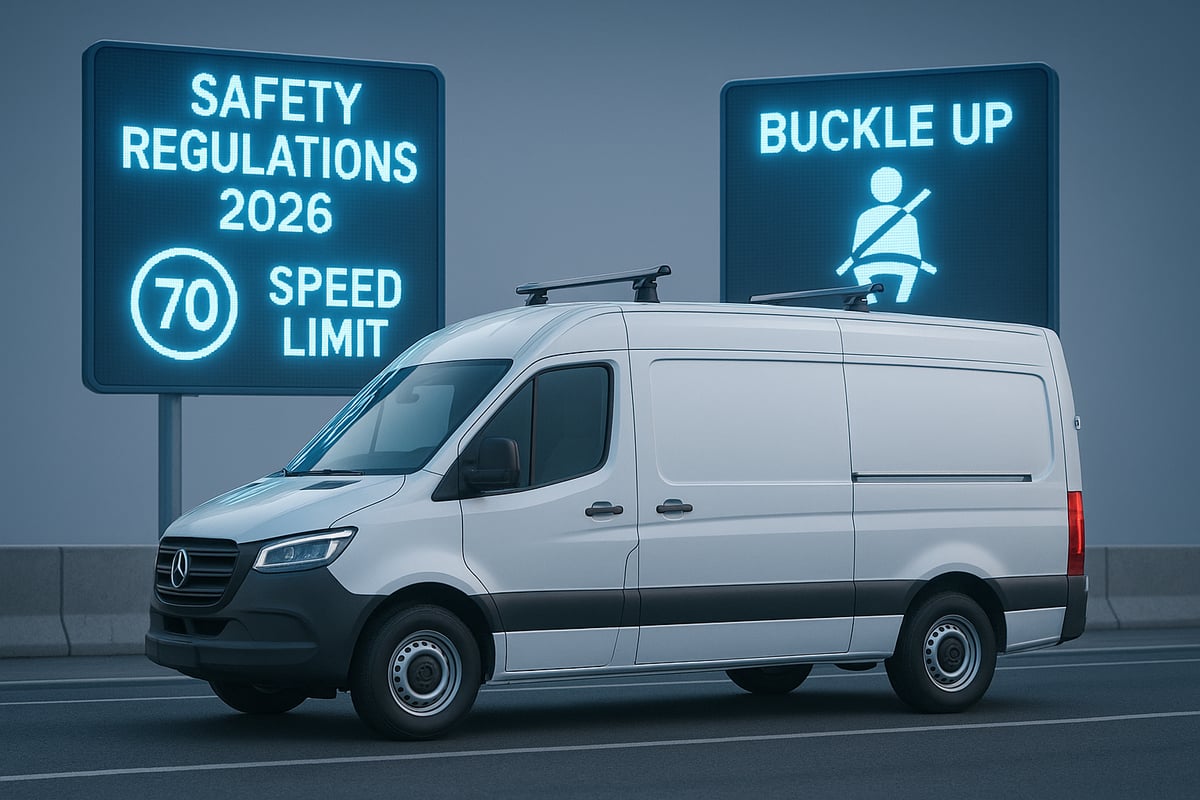
Understanding the legal landscape for transit roof bars in 2026 is essential for every van owner. Whether you use your van for business or recreation, compliance with national and EU regulations is non-negotiable. Staying updated on safety laws and best practices ensures not just legal operation but also the safety of your cargo and others on the road.
Irish & EU Laws on Roof Bar Use
Van operators in Ireland must adhere to strict laws governing transit roof bars. These rules define the maximum load your vehicle can carry on its roof and set height restrictions to prevent accidents. Fines or points can result from exceeding weight limits or improper installation. The EU’s updated road safety directives for 2026 are expected to further tighten these standards, requiring that all new roof bar systems meet specific certification and installation criteria. For more details on evolving road safety policies, see the EU Transport Agreements on Road Safety. Staying current with these laws is vital for anyone using transit roof bars.
Load Securing & Safety Best Practices
Securing your load properly is not just good practice, it is a legal requirement. Transit roof bars must be used with approved straps, tie-downs, or load stops to prevent items from shifting during transit. Compliance with EN 12195-2 and ISO standards is mandatory for commercial users. Failure to secure loads can lead to severe penalties and, more importantly, dangerous situations on the road. For example, a recent incident involved improperly fastened equipment that caused damage and legal complications. Always double-check your securing methods when using transit roof bars.
Insurance Implications
The use of transit roof bars can directly affect your van insurance policy. It is crucial to notify your insurer when you install or modify roof bar systems. Many providers require documentation showing that your transit roof bars are fitted and used according to manufacturer guidelines and legal standards. Overloaded or incorrectly installed bars can void your policy or complicate claims if an accident occurs. Always keep records of installation and maintenance to ensure your coverage remains valid.
Regular Inspections & Maintenance
Routine inspections of transit roof bars are a legal and practical necessity. Regulations in 2026 will require periodic checks for signs of wear, corrosion, or loose fittings. For commercial fleets, documenting these inspections is essential for compliance and can help avoid costly penalties. A typical fleet protocol involves monthly checks, logging any repairs or replacements. Regular maintenance extends the lifespan of your transit roof bars and ensures ongoing safety for every journey.
Changes Expected in 2026
Major regulatory changes are on the horizon for transit roof bars. The Irish and EU authorities are introducing new standards for safety features, such as integrated load sensors and smart compliance tracking. Manufacturers are responding with innovative technologies that make it easier to monitor load limits and installation quality. Industry trends suggest that transit roof bars will soon include digital features to support compliance and enhance user safety. Staying informed about these updates will help you future-proof your van and avoid legal issues.
Maintenance, Care & Longevity Tips
Keeping your transit roof bars in top condition extends their lifespan and maintains safety. With Ireland’s variable weather and year-round use, proper maintenance is essential. By following routine care steps and making smart upgrades, you can ensure your transit roof bars perform reliably for years.
Cleaning & Corrosion Prevention
Regular cleaning is vital for transit roof bars, especially with Ireland’s wet climate. Use a soft brush and non-abrasive cleaner to remove dirt, salt, and debris. Rinse thoroughly to prevent buildup that can cause corrosion.
Apply a protective wax or anti-corrosion spray every few months. Focus on joints and brackets where water may collect. Avoid harsh chemicals, which can strip protective coatings.
For raised rail models, such as the Raised Rail Roof Bars Sherman, check manufacturer guidelines for compatible cleaning products. Consistent care helps preserve the finish and protect against rust.
Regular Inspection & Tightening
Inspect transit roof bars every month, or before any long journey. Look for loose bolts, cracked fittings, or worn rubber seals. Use a torque wrench to check all fastenings, ensuring they meet manufacturer specifications.
Pay attention to signs of fatigue, such as bending or unusual noise during use. Address minor issues immediately to prevent bigger problems. Keeping a maintenance log helps track inspections and replacements.
A simple checklist makes routine checks quick and effective, reducing the risk of unexpected failures with transit roof bars.
Storage & Seasonal Removal
If you do not need transit roof bars during certain months, consider removing them for storage. This reduces exposure to harsh weather and extends their useful life.
Before removal, clean the bars thoroughly and dry them to avoid trapped moisture. Store in a dry, cool area, away from direct sunlight. Use padded supports or hangers to prevent warping.
Removing transit roof bars for winter, especially if you do not transport cargo, can minimize rust and wear. This practice is common among van owners who want to maximize durability.
Upgrading & Accessorizing
As your needs change, upgrading transit roof bars with new accessories can enhance their functionality. Add-ons like load stops, rollers, and tie-downs improve safety and make loading easier.
Retrofitting older bars with modern features, such as locking systems or aerodynamic attachments, can extend their relevance. When upgrading, ensure compatibility with your current setup and van model.
For example, switching to a new van or accessory may require different mounting solutions. Always follow manufacturer advice to keep transit roof bars safe and long-lasting.
Top Accessories & Add-Ons for Transit Roof Bars
Enhancing your van’s functionality goes beyond simply installing transit roof bars. The right accessories and add-ons can dramatically improve loading efficiency, security, and versatility. Whether you’re a tradesperson, outdoor enthusiast, or delivery driver, choosing suitable upgrades ensures you get the most from your transit roof bars.
Load Stops, Rollers & Tie-Downs
Load stops, rollers, and tie-downs are essential for anyone using transit roof bars to move cargo safely and efficiently. Load stops prevent items such as ladders or timber from shifting during transit, providing a secure barrier at each end of the bars. Rollers make loading long or heavy items easier by allowing them to glide into place, reducing strain and the risk of damage.
Popular tie-down options, like ratchet straps and adjustable bungees, help keep various cargo types firmly attached to your transit roof bars. For example, tradespeople often use rollers to load ladders single-handedly, saving time and reducing workplace injuries. When comparing systems, consider alternatives like the Roof Rack Omega Bars Medium for additional functionality. Accessories like these not only boost convenience but also maximize the safety and versatility of transit roof bars.
Roof Boxes, Bike Carriers & Kayak Mounts
Transit roof bars become truly multipurpose when paired with roof boxes, bike carriers, and kayak mounts. Roof boxes are perfect for extra storage, keeping gear dry and secure on long journeys. They’re popular with families and adventure seekers who need to transport luggage, camping equipment, or sports gear.
Bike carriers and kayak mounts attach easily to transit roof bars, allowing users to bring recreational equipment without sacrificing interior space. Data from recent surveys shows that 55% of van owners rely on roof boxes for overflow storage, highlighting their practicality. Choosing the right accessory depends on your needs, vehicle size, and how often you transport specific items. With the right combination, transit roof bars support work and leisure alike.
Security Upgrades & Anti-Theft Devices
Security is a top concern for anyone investing in transit roof bars and their accessories. Integrated locks, alarmed clamps, and tamper-proof fastenings deter theft and protect valuable equipment. Many anti-theft devices are designed to fit seamlessly with transit roof bars, ensuring security without compromising usability.
Visible deterrents, such as locking end caps or alarmed clamps, have been shown to reduce theft rates significantly. For example, businesses that upgraded to locking bars reported fewer incidents of stolen ladders and tools. Best practices include using high-quality locks and regularly checking all fittings for signs of tampering. By prioritizing security, you safeguard your investment and maintain peace of mind.
Innovative Tech Add-Ons for 2026
The future of transit roof bars is driven by smart technology and innovation. New add-ons for 2026 include smart load sensors, which monitor weight distribution and alert users to potential overloads via mobile apps. App integration allows real-time tracking of cargo status, enhancing both convenience and safety.
Eco-friendly upgrades such as solar panel attachments and integrated LED lighting kits are also gaining popularity. These features not only add functionality but can improve fuel efficiency when paired with aerodynamic accessories. For more insight into how such innovations impact van performance, consult the Impact of Roof Racks on Fuel Economy study. As the industry evolves, expect transit roof bars to offer even more tech-enabled solutions tailored to modern needs.
Now that you have a comprehensive understanding of how the right transit roof bars can unlock new flexibility and security for your van, it’s clear that smart storage is essential both on the road and at home. At CoolaLiving IE, we’re passionate about helping you organize every corner of your life, whether you’re transporting gear or safeguarding your tools. If you’re also thinking about optimizing your garden or outdoor space, why not take a look at our range of durable steel sheds? You’ll enjoy Free Delivery on your ECO Steel Garden Shed—a perfect companion for your storage needs.
Discover more from Coola Living Ireland
Subscribe to get the latest posts sent to your email.

