

As 2026 approaches, the need for adaptable cargo solutions is rapidly increasing among vehicle owners. Whether you drive a sedan, hatchback, or electric vehicle, a bare roof rack offers an efficient way to expand cargo space without permanent modifications.
This guide brings expert advice on bare roof rack installations for new and existing vehicles. We will cover everything from understanding the basics, choosing the right system, and step-by-step installation, to troubleshooting, safety tips, and ongoing maintenance.
Discover how to boost your vehicle’s versatility, avoid common pitfalls, and confidently tackle your own installation with practical, actionable insights.
Understanding Bare Roof Racks: Basics and Benefits
The growing popularity of the bare roof rack is transforming how drivers approach cargo solutions. As more vehicles come without factory rails, understanding these systems is essential for anyone wanting to expand their carrying capacity without compromising design or value. Let’s break down the basics, highlight key benefits, and look ahead to exciting innovations for 2026.
What Is a Bare Roof Rack?
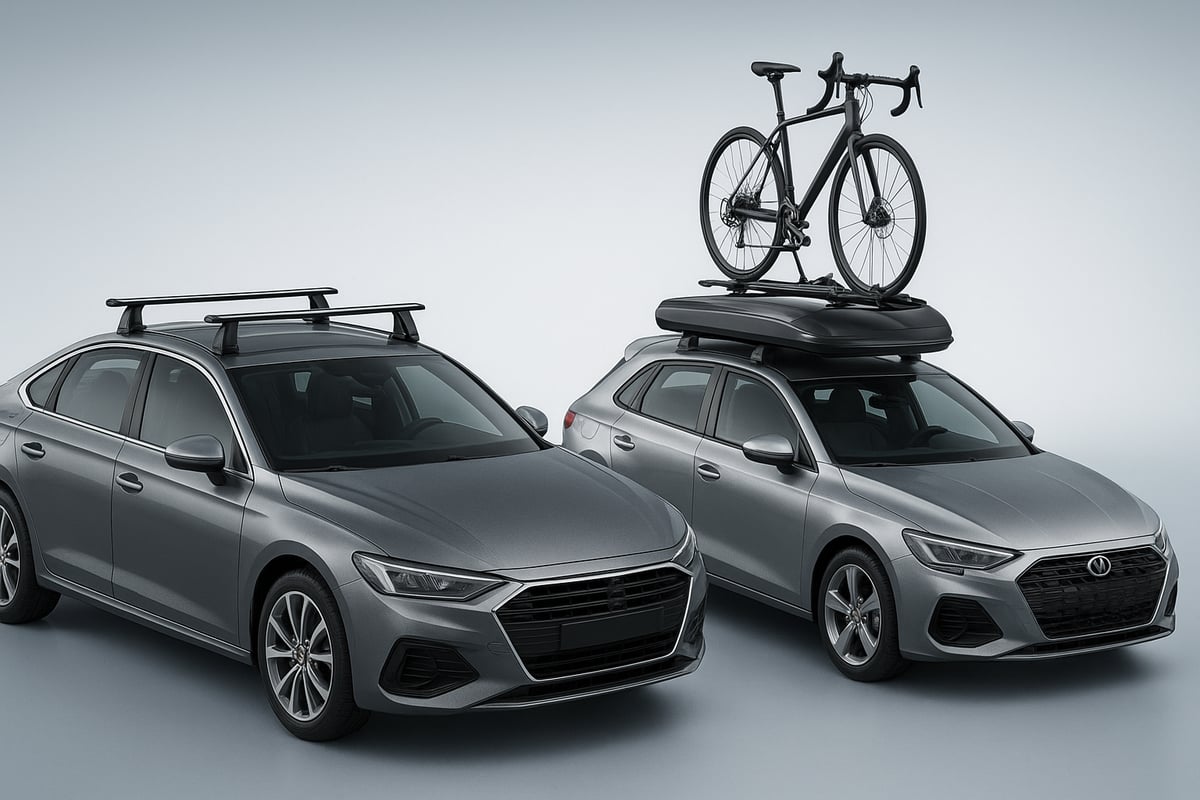
A bare roof rack is specifically designed for vehicles with smooth, uninterrupted rooflines. Unlike raised rails, flush rails, or fixed mounting points, a bare roof offers no built-in attachment spots. This presents both challenges and opportunities.
Most commonly, sedans, hatchbacks, and many new electric vehicles require a bare roof rack system. These vehicles rely on custom or universal clamp-based solutions that grip securely to the door frames or roof edges.
Choosing the right smooth roof car racks with fixing kits is crucial for safety and fit. As we approach 2026, universal fitment trends are on the rise, but proper fit kits tailored to your specific make and model remain essential for a reliable installation.
Key Benefits of Bare Roof Racks
A bare roof rack can dramatically increase your cargo capacity without making permanent changes to your vehicle. This means you can keep your car’s resale value and appearance intact.
Key advantages include:
- No drilling or permanent modification required.
- Easy removal and transfer to another compatible vehicle.
- Seamless accessory compatibility with bike racks, roof boxes, or kayak carriers.
- Cost-effectiveness compared to factory or dealer-installed rails.
With a bare roof rack, you can adapt to changing needs, whether it’s a family road trip or an outdoor adventure, all while maintaining your vehicle’s original style.
2026 Trends and Innovations
The future of the bare roof rack is shaped by new materials and smart design. Expect lighter, stronger systems made from aero aluminum and recycled composites, reducing weight without sacrificing durability.
Smart features are emerging, such as integrated sensors and anti-theft systems, making the bare roof rack safer and easier to monitor. Brands like Thule, Yakima, and Rhino-Rack are leading the way, focusing on aerodynamic efficiency for electric and hybrid vehicles.
In 2026, look for racks that blend seamlessly with vehicle lines, offer tool-free installation, and support a wider range of modular accessories. The bare roof rack continues to evolve, meeting the demands of modern drivers and new vehicle technologies.
Choosing the Right Bare Roof Rack System for Your Vehicle
Selecting the right bare roof rack for your car is crucial to maximize cargo capacity, safety, and convenience. With so many options available in 2026, a careful, step-by-step approach helps ensure the best fit for your needs and peace of mind on every journey.
Assessing Your Vehicle’s Needs
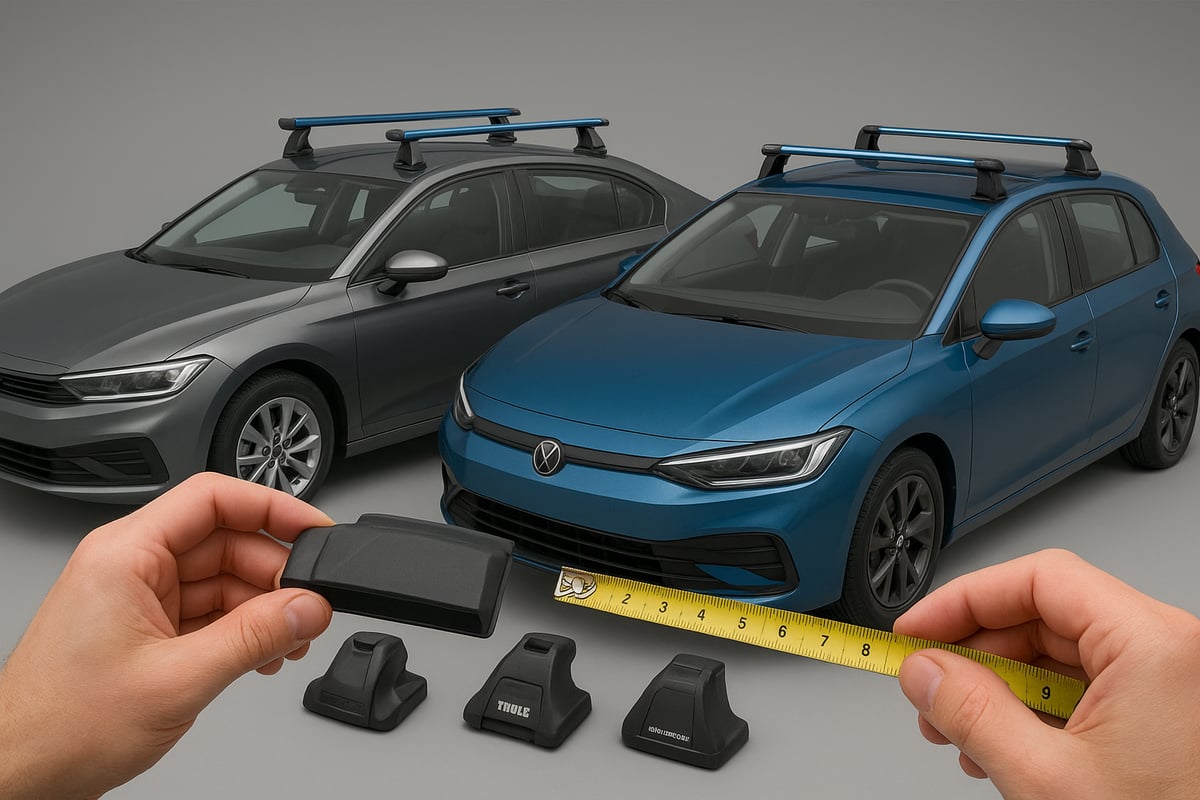
Start by identifying your vehicle’s roof type to confirm it qualifies as a bare roof. Most sedans, hatchbacks, and many electric vehicles in 2026 require a bare roof rack because they lack factory rails or fixed mounting points. Consult your owner's manual and check for any manufacturer warnings about roof load limits or warranty impacts.
Consider what you plan to carry. Will you load bikes, kayaks, or a roof box? Different cargo types may require specific load ratings or rack accessories. Always factor in the total weight, including the bare roof rack itself, to avoid exceeding your vehicle’s roof strength and ensure safe transport.
Comparing Major Brands and Models
When choosing a bare roof rack, compare leading brands such as Thule, Yakima, and Rhino-Rack. Each offers unique strengths, from aerodynamic aluminum bars to enhanced anti-theft features. Review the available mounting systems, such as clamp style or door jamb fit, and check if they use custom or universal fit kits.
Here is a quick comparison:
| Brand | Material | Mounting Style | Key Feature |
|---|---|---|---|
| Thule | Aluminum/Steel | Clamp/Fit Kit | Quiet, secure fit |
| Yakima | Aluminum | Door Clamp | Easy install |
| Rhino-Rack | Aluminum | Custom Kit | Heavy duty |
For a comprehensive overview of expert advice on selection, installation, and safety, refer to the Roof Rack Selection and Safety Guide.
Fitment and Compatibility
Use online fit guides provided by rack manufacturers to match your vehicle’s make, model, and year. Accurate measurements are critical to avoid compatibility issues. Fit kits are often model-specific, ensuring a secure and damage-free installation for your bare roof rack.
Beware of common pitfalls, such as choosing a universal kit that is not truly compatible with your car. Double-check measurements, and if in doubt, consult manufacturer support or a reputable installer. Proper fitment is the foundation of both safety and long-term rack performance.
Budget Considerations and Value
Bare roof rack systems come in a range of prices. Entry-level setups may cost less upfront, but premium options often offer greater durability, advanced features, and extended warranties. Consider the total investment, including necessary accessories like locks, wind fairings, and adapters.
Look for systems that balance cost with value. Investing in a high-quality bare roof rack can save money over time by reducing the risk of damage to your vehicle or cargo. Remember, a secure rack also helps maintain your car’s resale value and ensures peace of mind.
Real-World Example
Let’s look at installing a Thule bare roof rack on a 2026 Toyota Corolla. First, use Thule’s fit guide to select the correct fit kit and crossbars. After confirming compatibility, follow the step-by-step instructions, checking measurements at each stage.
Users report that the Thule system offers a snug, low-profile fit and is easy to remove when not in use. Feedback highlights the importance of double-checking door seal clearance and retightening after initial use to ensure ongoing safety and performance.
Step-by-Step Installation Guide for Bare Roof Racks
Installing a bare roof rack on your vehicle is a rewarding project, especially with the right preparation. This guide breaks the process into clear, manageable steps, ensuring accuracy and safety at every stage. Whether you are a first-timer or an experienced DIYer, following this structure will help you achieve a secure, professional-quality installation.
Preparation and Tools Needed
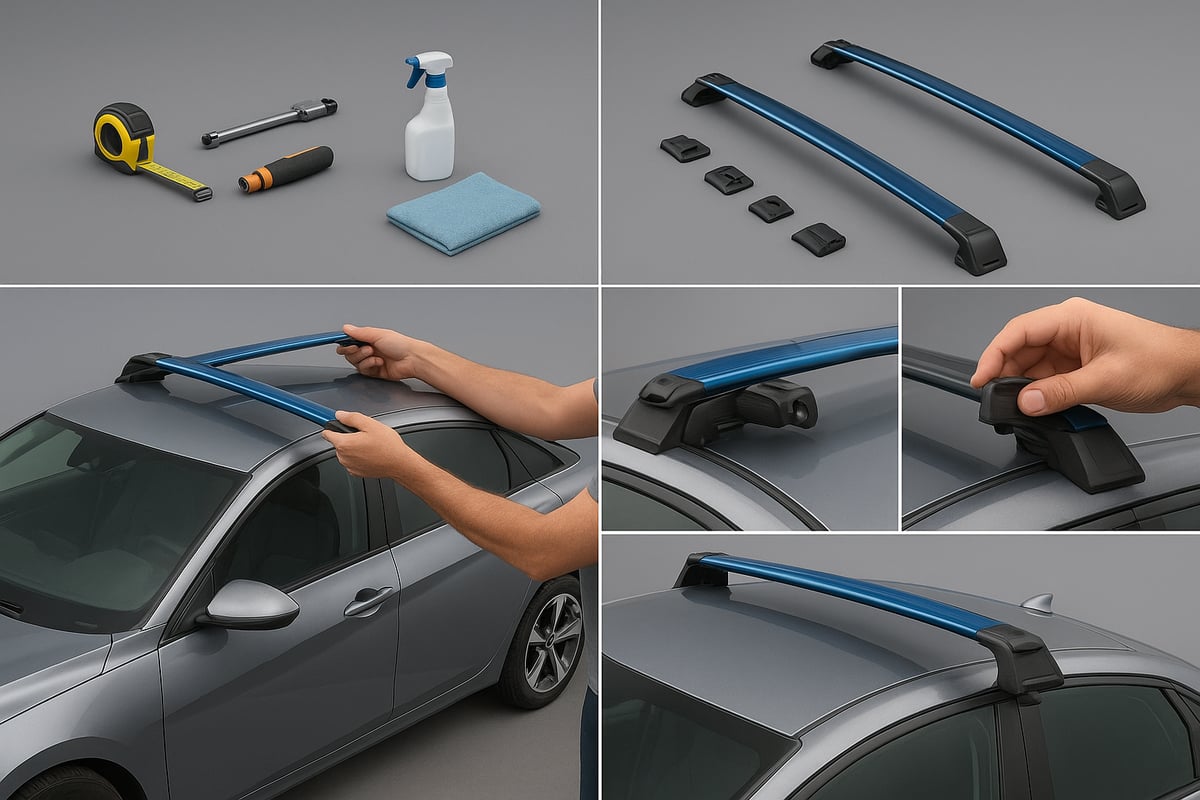
Before starting your bare roof rack installation, gather all necessary tools and supplies. Working on a clean, dry, and level surface is essential for safety and accuracy. Enlist a partner if possible, as some steps benefit from an extra set of hands.
Required tools:
- Tape measure
- Torque wrench (for precise tightening)
- Cleaning supplies (microfiber cloth, gentle cleaner)
- Marker or painter’s tape (for marking positions)
- Ladder or step stool (if needed)
Wipe down your vehicle’s roof to remove dust and debris. This protects your paint and ensures the fit kit adheres properly. Always read your vehicle manual to confirm the roof’s load capacity before fitting the bare roof rack.
Step 1: Reviewing Instructions and Components
Begin by unboxing your bare roof rack system and laying out all components. An inventory checklist is often provided by manufacturers, which helps ensure nothing is missing before you start.
Identify each part: crossbars, mounting feet, fit kit pads, end caps, and hardware. Consult the manufacturer’s instruction manual thoroughly, as steps may vary depending on your vehicle model and rack brand.
Familiarize yourself with the terminology and diagrams. If you are unsure, refer to trusted resources like the Roof Rack Installation Guide for further clarity on general procedures and safety tips. Careful preparation at this stage prevents errors during your bare roof rack installation.
Step 2: Positioning and Measuring
Accurate positioning is crucial for a stable bare roof rack. Use your tape measure to determine the precise width of your vehicle’s roof. Most manufacturers specify exact distances between mounting points for optimal load distribution.
Mark these points using painter’s tape or a marker, following the instructions for your specific fit kit. Symmetry is important, both for aesthetics and to prevent uneven stress on the roof.
Some rack kits include templates or guides to help with alignment. Double-check measurements to ensure the crossbars will sit level and parallel once installed on your bare roof rack.
Step 3: Mounting the Feet and Fit Kit
Attach the fit kit pads to the mounting feet. These pads protect your car’s paint and ensure a snug, secure fit. Place each foot at the marked positions, aligning them with the roof edges or door jambs as directed.
Apply even pressure to seat the feet correctly. Check that all feet are flush with the roof and make any minor adjustments needed. A properly mounted fit kit is key to a safe and reliable bare roof rack.
Step 4: Installing the Crossbars
With the feet in place, secure the crossbars to the mounting feet using the provided hardware. Most systems use bolts or clamps tightened with an Allen key or wrench.
Adjust the spacing of the crossbars according to your intended cargo, such as bikes or roof boxes. Ensure both bars are parallel and level across the bare roof rack.
Tighten the connections by hand at first, then finish with your torque wrench to meet the manufacturer’s specifications. Double-check alignment before proceeding.
Step 5: Tightening and Final Checks
Use your torque wrench to tighten all bolts to the specified values. Over-tightening can damage the fit kit or your vehicle, while under-tightening risks rack movement.
Test the bare roof rack for any movement, rattles, or gaps. Open and close the doors to confirm there is no interference with seals or weatherstripping.
Inspect the overall installation from several angles. A final check ensures safety and protects your vehicle’s finish.
Step 6: Accessory Attachment and Load Testing
Now it is time to add accessories such as bike racks, roof boxes, or kayak carriers. Follow the accessory manufacturer’s instructions for secure attachment to your bare roof rack.
Before loading, conduct a low-speed test drive to listen for unusual noises or vibrations. After your first trip, retighten all fasteners.
This step not only tests the installation but also prepares your bare roof rack for real-world use and adventure.
Troubleshooting Common Installation Issues
If you encounter fitment problems, check that all components are vehicle-specific, and measurements are accurate. Adjust the fit kit pads or reposition the feet if necessary.
For wind noise, ensure crossbars and accessories are properly aligned, and consider adding a wind fairing. If you notice door seal leaks, reposition the feet and inspect the pads.
If persistent issues arise, or you are unable to resolve a problem, consult the manufacturer or seek professional installation for your bare roof rack. Attention to detail ensures long-term safety and performance.
Safety, Legal, and Maintenance Considerations for 2026
Staying safe and compliant is essential when using a bare roof rack in 2026. As vehicle designs evolve and regulations update, understanding best practices and legal responsibilities is key. In this section, we cover safety, legal, and maintenance essentials to help you get the most from your bare roof rack while protecting your vehicle and peace of mind.
Safety Best Practices
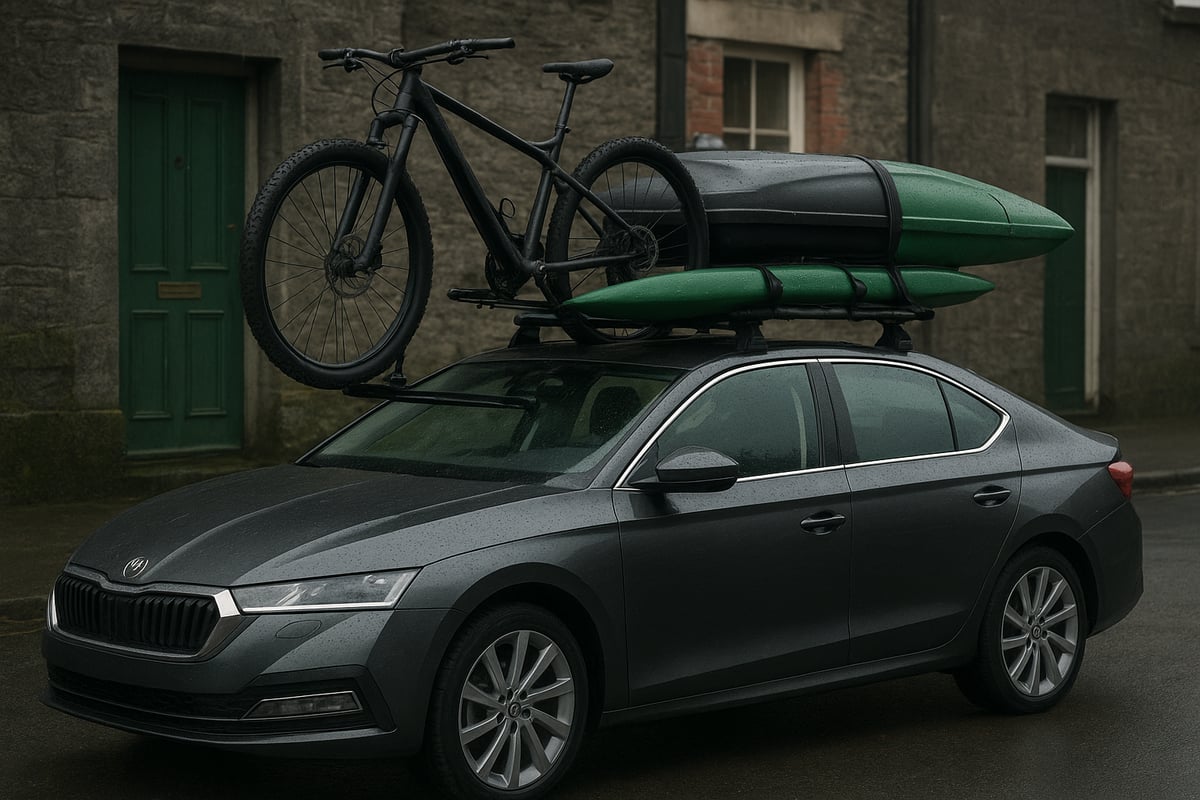
Using a bare roof rack safely starts with following the manufacturer's instructions and weight limits. Overloading your rack can compromise your vehicle's handling and put your cargo at risk. Always check the maximum roof load in your owner's manual before loading up.
Inspect your bare roof rack regularly for loose bolts, worn pads, or rust. Before every trip, ensure all components are tight and secure. Many experts recommend using locks or anti-theft devices to protect your investment, especially if you frequently park in public areas.
For added safety, distribute weight evenly across the rack and keep heavy items as low as possible. If possible, travel with a partner during installation to prevent accidental scratches or drops. Remember, a well-installed bare roof rack helps maintain both your cargo’s security and your vehicle’s integrity.
Legal Requirements and Compliance
In Ireland and across the EU, strict rules govern the use of roof racks and roof boxes. Your bare roof rack must not exceed the vehicle’s height restrictions or allow any load to overhang dangerously. Loads should never obstruct the driver’s view or rear license plate.
It is essential to check your insurance policy to confirm that roof-mounted cargo is covered. Failure to comply with legal requirements may result in fines or denied claims in the event of an accident. For a complete overview of Irish regulations, consult the Rules of the Road – Roof Racks and Roof Boxes provided by An Garda Síochána.
Always double-check local guidelines before long trips, especially if you cross borders. Following these rules will ensure your bare roof rack use remains legal and trouble-free.
Maintenance Tips for Longevity
Caring for your bare roof rack will extend its life and keep it performing safely. Clean the rack and mounting points after exposure to salt, rain, or road grime. Lubricate moving parts to prevent squeaks and premature wear.
Inspect your rack at the start and end of each season. Look for signs of corrosion, especially if you drive along the coast or in winter conditions. Rust can weaken mounting points and compromise safety.
Store your bare roof rack in a cool, dry place when not in use. Use soft padding or cloth to protect the rack’s finish and your vehicle’s paint during removal and storage. Regular maintenance not only preserves your rack but also protects your vehicle’s value.
Addressing Common Safety Concerns
Many drivers worry about wind noise or fuel efficiency when using a bare roof rack. Consider adding aerodynamic accessories like wind fairings to reduce drag and noise. Removing the rack when not in use can also improve fuel economy by 5 to 15 percent.
Protect your paint by using only manufacturer-approved fit kits and regularly checking for signs of abrasion. If your rack becomes loose while driving, pull over safely and retighten immediately.
According to 2025 data, 18 percent of vehicle accessory claims in Ireland involved improper rack installation. However, 72 percent of bare roof rack owners now perform quarterly inspections, reducing risk and improving safety. By following these tips, you can enjoy the versatility of your rack with confidence.
Advanced Tips and Expert Insights for Bare Roof Rack Users
Unlocking the full potential of your bare roof rack is easier than ever with the right strategies and expert knowledge. As we approach 2026, both technology and user experience are evolving rapidly, making it crucial to stay informed and proactive.
Maximizing Utility and Versatility
A bare roof rack offers unmatched flexibility for outdoor enthusiasts and families alike. Optimize your setup by choosing modular accessories that can be swapped out for different activities, from cycling to camping.
Consider quick-swap solutions that allow you to mount bike racks, ski holders, or roof boxes with minimal effort. For example, pairing your bare roof rack with bicycle carriers for roof racks can make transporting bikes safe and hassle-free.
When not in use, remove accessories and store them in a dry, secure location to prolong their lifespan. Always check compatibility when adding new modules, as 2026 systems are increasingly universal yet may require specific adapters.
Aerodynamics and Fuel Efficiency
A bare roof rack can impact your vehicle’s aerodynamics, especially on electric and hybrid models. Use aerodynamic crossbars and wind fairings to minimize drag and reduce wind noise.
Studies show that leaving a bare roof rack on when not needed can increase fuel consumption by 5–15 percent. Remove the rack during off-season periods to maintain optimal efficiency.
Position accessories close to the roof and align them with the vehicle’s length for best results. This simple adjustment can also help reduce cabin noise on long journeys.
Expert Troubleshooting Advice
Even with the best bare roof rack, issues like wind noise or water ingress can arise. Start by checking that all components are installed according to instructions and that door seals are not compressed unevenly.
Persistent noise may indicate misaligned crossbars or loose fittings. Use a torque wrench to re-tighten bolts to the manufacturer’s specification. For visual learners, the Roof Rack Installation on a Bare Roof – Thule Evo Clamp WingBar video offers a helpful step-by-step overview.
If problems persist, consult your rack’s support line or visit a certified installer for a professional assessment.
Innovations to Watch in 2026 and Beyond
The bare roof rack landscape is advancing with smart features like integrated load sensors, GPS tracking, and biometric locks. Expect eco-friendly materials, including recycled composites and lightweight alloys, to become standard.
Brands are developing racks that communicate with vehicle systems to alert you if the rack is loose or overloaded. These innovations not only enhance security but also improve user confidence for every trip.
Keep an eye on modular designs, which allow you to upgrade or adapt your bare roof rack as your needs change, ensuring long-term value.
Community Resources and Support
Connect with other bare roof rack owners through online forums, manufacturer support lines, and user groups. These communities are excellent sources for troubleshooting tips, installation walkthroughs, and accessory recommendations.
YouTube channels offer visual guides for most modern systems, while local installation services in Ireland are available for those seeking professional help.
Stay engaged with these resources to keep your bare roof rack in peak condition and to stay informed about the latest trends and best practices.
Frequently Asked Questions About Bare Roof Rack Installations
Choosing the right bare roof rack can raise a lot of questions, especially as vehicles and regulations evolve. Here, we answer the most common queries to help you install, use, and maintain your system with confidence.
Common Fitment and Compatibility Questions
Wondering if your vehicle is suitable for a bare roof rack? Most sedans, hatchbacks, and many electric vehicles with smooth, unobstructed roofs can accommodate these systems. Always confirm your car’s roof type and check the manufacturer’s fit guide for compatibility.
You may also want to compare car raised rails roof racks if your vehicle has rails, as fitment and installation will differ. Universal fit kits exist, but custom kits are often more secure and tailored to your specific model.
Usage and Safety Concerns
How much weight can you safely carry on a bare roof rack? Always follow the rack and vehicle manufacturer’s weight limits, factoring in the weight of the rack itself. Overloading can damage your roof or compromise safety.
Will a bare roof rack harm your paint or seals? When installed correctly, with protective pads and even tension, the risk is minimal. To reduce wind noise, consider aerodynamic bars or wind fairings, and check that all components sit flush and secure.
Maintenance, Removal, and Storage
Regular inspection is key for any bare roof rack. Most experts recommend checking and retightening your system every three months or before long trips. When not in use, remove the rack to prevent wear and improve fuel efficiency.
For off-season storage, keep your rack clean and dry, ideally in a padded or covered area. If you use accessories like roof boxes, explore holiday roof boxes and storage for compatible and secure solutions. Many racks can transfer to a new vehicle if fit kits are available.
Troubleshooting and Support
If your bare roof rack becomes loose while driving, pull over safely and retighten all hardware immediately. Persistent issues may signal worn pads or incorrect installation. For spare parts or replacements, visit your rack brand’s website or authorized dealer.
Warranty and installation support is typically available through manufacturers or professional installers. Keep receipts and installation documents handy in case you need to file a claim or seek assistance.
2026-Specific Considerations
Are there new regulations or technologies affecting bare roof rack use in 2026? Yes, some regions require compliance with height and load overhang restrictions, especially for electric vehicles. Always check local laws.
Innovations include racks with integrated anti-theft features, smart sensors, and improved compatibility with EVs. Stay updated on the latest advancements to ensure your rack remains legal, efficient, and secure.
As you plan your next adventure or look to maximize every inch of storage space for 2026, having the right solutions—both on your vehicle and at home—makes all the difference. We’ve covered how bare roof racks can transform your travel options, but don’t forget about organizing your outdoor gear and tools too. If you’re ready to tackle clutter and create a streamlined setup for your lifestyle, you might appreciate our range of durable, eco-friendly storage options. Discover how you can enjoy Free Delivery on your ECO Steel Garden Shed and make your space work smarter for you.
Discover more from Coola Living Ireland
Subscribe to get the latest posts sent to your email.
