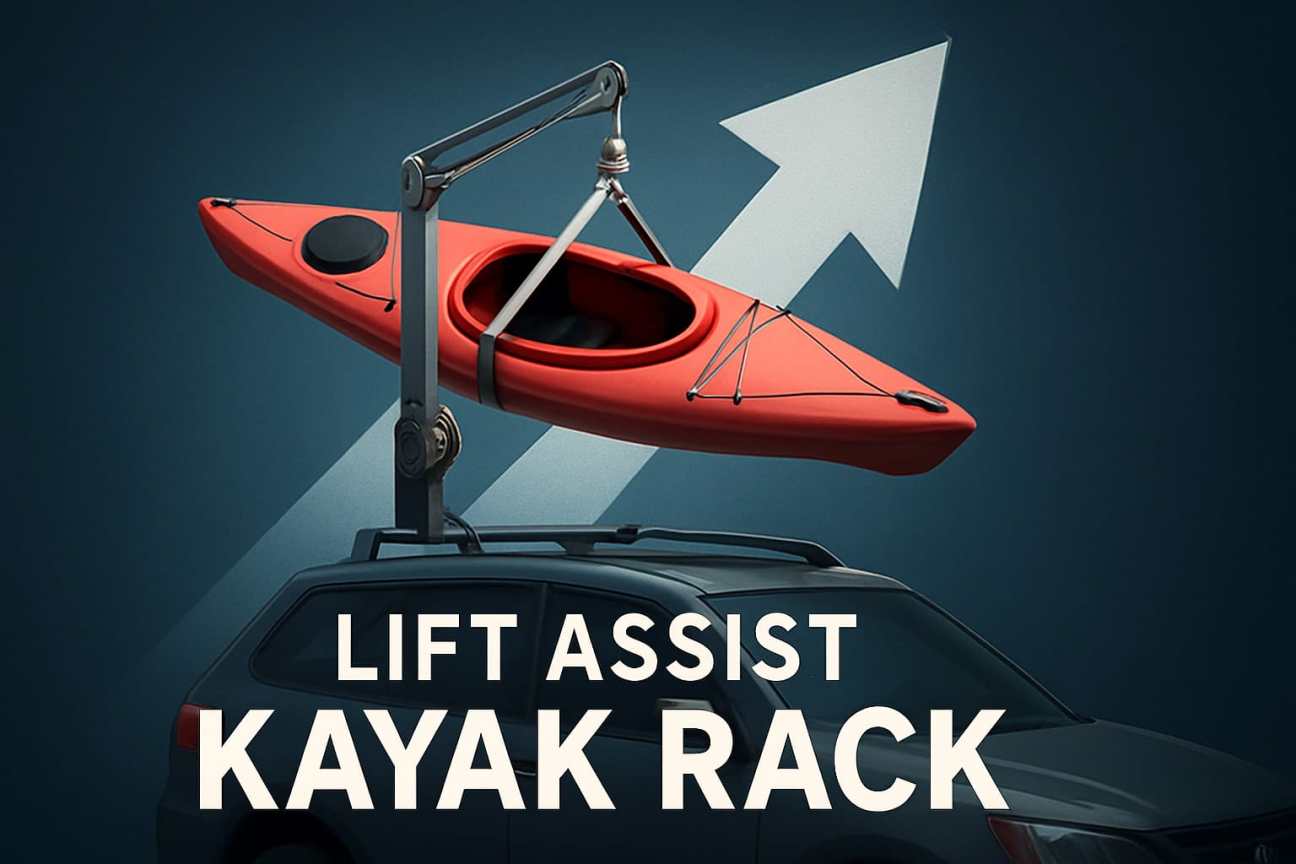
Loading a heavy kayak onto your vehicle can turn an exciting adventure into a tiring chore. If you have ever struggled to hoist your boat overhead, you know how quickly enthusiasm fades. That is why the lift assist kayak rack is transforming the way paddlers prepare for the water.
This 2026 guide will show you how to select, use, and get the most out of your lift assist kayak rack. Discover the benefits, explore the latest types and features, and learn step-by-step tips for effortless loading. Enjoy hassle-free kayaking with expert advice designed for all experience levels.
Understanding Lift Assist Kayak Racks
Loading a kayak onto your vehicle is often the least enjoyable part of paddling. Many paddlers struggle with heavy boats and awkward lifting angles. Enter the lift assist kayak rack, a solution designed to make transporting your kayak far less taxing. These innovative racks use specialized mechanisms to offset much of the kayak's weight, enabling nearly anyone to load and unload with confidence.

What Are Lift Assist Kayak Racks?
A lift assist kayak rack is a vehicle accessory engineered to help users load and unload their kayaks with minimal effort. The core function is simple: support part of the kayak’s weight during the lifting process, reducing the physical strain on the user. These racks typically feature gas struts, hydraulic arms, or sliding trays that absorb a significant portion of the load.
Compared to traditional racks, a lift assist kayak rack can offset up to 40 lbs of weight. For example, the Thule Hullavator Pro uses gas struts to lower the kayak to waist height, making it accessible even for solo paddlers or seniors. Families with young paddlers also find these racks invaluable for safe, independent loading.
Market data shows rapid adoption, with global sales projected to grow by over 7% annually through 2033, according to the Car Kayak Rack Market Research Report 2033. The lift assist kayak rack is quickly becoming a must-have for anyone seeking easier kayak transport.
Main Types of Lift Assist Kayak Racks
Lift assist kayak racks come in several configurations to suit different needs. The two primary loading styles are side-loading and rear-loading. Side-loading racks, like the Thule Hullavator Pro, allow you to stand beside your vehicle and guide the kayak directly onto the supports. Rear-loading systems are ideal for taller SUVs and let you slide the kayak from the back.
Another distinction is between roof-mounted and hitch-mounted designs. Roof-mounted options are more common and compatible with most crossbars, while hitch-mounted models are gaining popularity for their lower loading height.
You will also find manual assist racks, which use mechanical leverage, and fully powered assist racks that employ electric or hydraulic lifts. Weight capacities vary widely, from 35 kg up to 75 kg, accommodating everything from lightweight recreational kayaks to heavy fishing models.
| Type | Loading Style | Mounting Position | Assist Mechanism | Example Model | Pros | Cons |
|---|---|---|---|---|---|---|
| Side-loading | Side | Roof | Gas struts/hydraulic | Thule Hullavator Pro | Easy solo use | Higher price |
| Rear-loading | Rear | Roof/Hitch | Mechanical/Electric | Yakima ShowDown | Lower lift height | May need more space |
| Manual Assist | Side/Rear | Roof | Leverage arms | Rhino-Rack Universal | Affordable | Less weight offset |
| Powered Assist | Side/Rear | Roof/Hitch | Electric/Hydraulic | Advanced prototype | Minimal effort required | Expensive, more complex |
How Lift Assist Technology Works
The technology behind a lift assist kayak rack is both robust and user-friendly. Here’s how it usually works:
- Lower the rack arms to a comfortable height, often at waist level.
- Place the kayak into the rack’s padded cradles.
- Secure the kayak using integrated straps or tie-downs.
- Engage the lift mechanism. Gas struts or hydraulic arms absorb weight, making it easy to guide the kayak upward.
- As the kayak rises, safety locks engage to hold it securely in place.
The engineering uses gas struts or hydraulic supports which compress under load, then expand smoothly to lift. Locking features prevent accidental drops, and quick-release levers simplify unloading. Most systems are designed to function on a range of vehicle heights, from sedans to tall SUVs.
While some users notice minor changes in aerodynamics, most lift assist kayak racks are streamlined to minimize wind resistance and fuel impact. User feedback highlights the ease of use, especially for those with limited upper body strength.
Benefits of Using a Lift Assist Kayak Rack
The most obvious benefit of a lift assist kayak rack is the drastic reduction in physical effort. Many users report that a rack can offset up to 40 lbs of kayak weight, turning a strenuous chore into a manageable task.
Safety is another key advantage. By reducing heavy lifting above shoulder height, these racks minimize the risk of back and shoulder injuries. The loading process becomes faster and more independent, freeing paddlers from relying on others for assistance.
Using a lift assist kayak rack also protects your kayak and vehicle from scratches and dents during loading. This convenience often leads to more frequent trips, as the barrier to getting on the water is significantly lowered.
In user surveys, over 85% of paddlers said their lift assist kayak rack increased their kayaking frequency and enjoyment. For anyone seeking reliability, safety, and ease of use, this technology is a transformative upgrade.
Key Considerations Before Buying a Lift Assist Kayak Rack
Choosing the right lift assist kayak rack requires careful consideration of your vehicle, kayak, and personal needs. By evaluating these key factors, you can ensure a seamless and safe kayaking experience every time.

Vehicle Compatibility and Fit
The foundation of a secure lift assist kayak rack setup is matching the rack to your vehicle's roof system. Start by identifying whether your car has flush or raised rails, fixed points, or a naked roof. Each roof type determines which racks and adapters you can use.
Check your car’s maximum roof load capacity and ensure the combined weight of the rack and kayak stays within this limit. Measure your crossbar spread and width for proper fit. Vehicle height matters, too, as taller cars may require racks with longer arms or easier access features.
For guidance on compatible roof bar options, consult resources like Flush and raised rail roof bars. Common challenges include limited crossbar spacing and clearance issues with hatchbacks or SUVs. Always confirm fit before purchasing a lift assist kayak rack.
Kayak Size, Weight, and Shape
Not every lift assist kayak rack supports all kayak types. Begin by checking the maximum supported kayak weight and length—most racks handle boats up to 40 kg and 4 meters long, but always verify specs.
Hull shape affects compatibility. Sit-on-top, touring, and fishing kayaks have different profiles, so ensure your rack’s cradles adjust to fit securely. Some racks support multiple kayaks, while others are designed for one.
Adjustability is key for odd-shaped or extra-wide kayaks. Overloading a rack can cause failure, as seen when users try to transport heavy fishing kayaks without proper support. Prioritize a lift assist kayak rack that matches your boat’s dimensions and weight.
Installation and Ease of Use
The installation process can vary widely with lift assist kayak rack models. Some offer tool-free assembly, while others require basic hand tools. Initial setup may take 30–60 minutes, but regular use should be much quicker once installed.
Consider storage: detachable arms or foldable designs make it easier to remove the rack when not in use. Look for user-friendly features like quick-release levers, visual indicators, and clear instructions. Users often report issues such as confusing hardware or difficult adjustments.
To avoid frustration, choose a lift assist kayak rack with strong customer support and clear documentation. Address common complaints by reading user reviews and seeking out how-to videos.
Budget and Value for Money
A lift assist kayak rack is an investment, with prices for premium models starting around €500. Assess whether the added convenience and safety justify the cost compared to standard racks or hiring professional loading services.
Evaluate warranty terms, after-sales support, and the quality of materials such as aluminum or stainless steel. Durability directly impacts long-term value—racks with corrosion-resistant coatings and robust construction last longer.
Compare costs over time, factoring in potential resale value and reduced risk of vehicle or kayak damage. Prioritize a lift assist kayak rack that balances price, performance, and warranty coverage for the best overall value.
Step-by-Step Guide: How to Effortlessly Load a Kayak with a Lift Assist Rack
Loading your kayak should not be a struggle. With a lift assist kayak rack, the process becomes efficient, safe, and manageable for almost any paddler. This guide walks you through every stage, from setup to post-trip care, so you can enjoy more time on the water with less hassle.

Preparation: Setting Up Your Rack and Kayak
Before you begin, inspect your lift assist kayak rack to ensure all components are secure and properly installed. Double-check that mounting bolts, struts, and arms are tightened and show no signs of wear. If you are unsure about the compatibility of your roof bars or need suitable options, consider reviewing roof bar options for kayaks to support your lift assist kayak rack effectively.
Next, prepare your kayak by cleaning off dirt and debris. Remove any loose gear or accessories to prevent shifting during loading. Balance the kayak so its weight is evenly distributed, which helps the lift assist kayak rack function smoothly.
Adjust the rack's arms and cradles to fit your kayak's width and shape. Make sure the lift assist kayak rack arms are fully extended and in the correct loading position. Check the area around your vehicle for obstacles, uneven ground, or low-hanging branches.
Consider the weather. Wet or icy conditions can affect grip and visibility, so always wear gloves and safety gear. For example, on a windy day, position yourself on the sheltered side of the vehicle to maintain control during loading.
Loading Process: Chronological Steps
With your lift assist kayak rack ready, follow these steps for effortless loading:
- Lower the lift assist arms to a comfortable height using the release mechanism. This brings the supports within easy reach.
- Carefully lift one end of your kayak and place it onto the cradle or sliding tray of the lift assist kayak rack. Ensure the hull sits securely and is centered.
- Use the integrated straps or tie-downs to secure the kayak to the rack. Fasten each strap snugly but avoid overtightening, which could damage the hull.
- Engage the lift assist mechanism. For manual systems, lift gently while the gas struts offset the majority of the kayak’s weight. For powered models, activate the motorized lift according to the manufacturer’s instructions.
- Guide the kayak as it rises to roof level. Keep one hand on the kayak to maintain alignment, especially if wind or uneven surfaces are factors.
- Once the kayak is in position, lock the lift assist kayak rack and confirm that the kayak is stable and secure for transport.
Troubleshooting tips:
- If you notice misalignment, gently adjust the kayak before locking.
- Listen for any unusual noises, such as grinding or popping, which could indicate an obstruction or mechanical issue.
- If slippage occurs, recheck strap placement and tension.
Visual cues like alignment indicators or colored markers on the lift assist kayak rack can help ensure proper positioning. Always follow the rack’s user manual for specific guidance.
Unloading and Post-Trip Tips
Start unloading by unlocking the lift assist kayak rack’s transport mechanism. Gently release the locking pins or latches and begin lowering the arms in a controlled motion. The gas struts or hydraulic supports should assist, reducing the effort needed.
Guide the kayak as it descends, keeping it balanced and clear of the vehicle. Once at ground level, carefully remove the kayak from the cradle and inspect it for any scratches or damage that may have occurred during transport.
After every trip, clean and dry the lift assist kayak rack to remove mud, sand, or salt residue. Wipe down all moving parts and check for signs of corrosion. If your rack features detachable arms, store them in a dry area to prolong their lifespan.
For example, after a muddy outing, take a few minutes to rinse off both the kayak and lift assist kayak rack before storing. This simple routine helps maintain performance and reliability.
Safety Best Practices
Safety should always be your top priority when using a lift assist kayak rack. Double-check all fastenings before driving, ensuring straps, buckles, and locks are secure. Never exceed the rack’s weight limit or place a kayak incorrectly.
Inspect your lift assist kayak rack and vehicle roof regularly for wear, rust, or other issues. Always use bow and stern tie-downs during transport to prevent shifting on the highway.
Stay informed about manufacturer safety recalls and register your lift assist kayak rack for warranty updates. Routine checks and proper use ensure a safe, worry-free kayaking experience.
Top Lift Assist Kayak Racks for 2026: Reviews and Comparisons
Choosing the right lift assist kayak rack in 2026 can make your paddling adventures smoother and safer. Below, we review the leading models, highlighting what sets each apart. Compare their features, user experiences, and see which lift assist kayak rack best fits your needs.

Thule Hullavator Pro
The Thule Hullavator Pro stands out as a premium lift assist kayak rack designed for solo paddlers and heavy kayaks. Its gas strut system reduces lifting weight by up to 40 pounds, making loading effortless for users of all ages.
- Supports kayaks up to 80 lbs and 36 inches wide
- Side-loading design for easy access
- Robust construction with corrosion-resistant materials
- Dual-extension arms lower your kayak to waist height
Users praise its stability and time-saving operation. However, it requires compatible crossbars and a higher budget. Warranty coverage extends up to five years. If you prioritize single-handed operation and have a heavier kayak, this lift assist kayak rack is a top contender.
Yakima ShowDown
The Yakima ShowDown combines a user-friendly lift assist kayak rack mechanism with a versatile, foldable frame. It supports kayaks up to 80 lbs and is compatible with most crossbar systems. The rack lowers to the side, reducing the need for overhead lifting and making it popular among families and solo paddlers.
- Manual assist arms offer smooth loading
- Lightweight aluminum structure for better fuel efficiency
- Compact folding design for minimal roof drag
Installation is straightforward, especially when paired with Medium size roof rack solutions for optimal fit. Users report high satisfaction with its durability, though some note the need for careful alignment. The Yakima ShowDown offers a balance of convenience and value in the lift assist kayak rack market.
Rhino-Rack Universal Side Loader
The Rhino-Rack Universal Side Loader offers a practical manual lift assist kayak rack option for a variety of kayak shapes and sizes. Its simple, mechanical design suits paddlers looking for durability and minimal maintenance.
- Side-loading system compatible with most roof racks
- Weather-resistant components for year-round use
- Adjustable arms for different kayak profiles
Customers value its reliability and ease of use, especially in wet or muddy conditions. While it lacks powered assistance, its affordability and adaptability make it a strong choice for those seeking a straightforward lift assist kayak rack. Some users suggest adding extra padding for delicate kayaks.
Malone Downloader with Telos Load Assist
The Malone Downloader, paired with the Telos Load Assist, creates an efficient and affordable lift assist kayak rack system. The Telos module attaches to the Downloader, providing vertical load assistance that suits a range of vehicles.
- Supports kayaks up to 75 lbs
- Telos system features extendable load bars for stable lifting
- Fits most crossbars and roof types
Users highlight the easy installation and reliable loading process. The rack includes bow and stern lines for added security. While it may require more setup time initially, this lift assist kayak rack excels in reliability and versatility for both beginners and experienced paddlers.
Key Factors in Choosing the Right Model
Selecting the ideal lift assist kayak rack depends on your kayaking style, vehicle type, and budget. Compare warranty terms, after-sales support, and the availability of spare parts. Look for racks that match your kayak's weight and length, and consider installation compatibility with your vehicle's roof or crossbars.
2026 trends show a shift toward smart features and eco-friendly materials. Prioritize racks with robust safety mechanisms and user-friendly loading aids. Ultimately, investing in a well-matched lift assist kayak rack enhances your paddling frequency, protects your gear, and delivers lasting value.
Maintenance, Care, and Longevity of Lift Assist Kayak Racks
Proper care and regular upkeep are essential for getting the most out of your lift assist kayak rack. A well-maintained system not only ensures reliable performance, but also extends the life of your investment. These best practices will help you achieve smooth operation, minimize breakdowns, and protect your rack from the elements.
Routine Maintenance Checklist
To keep your lift assist kayak rack in prime condition, regular maintenance is crucial. Begin by thoroughly cleaning all surfaces after each use, especially if exposed to saltwater or mud. This prevents corrosion and buildup.
Lubricate moving parts such as gas struts, hinges, and sliding trays every few months. Use a silicone-based lubricant for smooth, rust-free operation. Inspect all bolts, fasteners, and brackets for tightness, and retighten as needed.
Check straps and padding for signs of wear or fraying. Replace any damaged parts promptly to avoid failure during transport. In winter, consider removing the lift assist kayak rack for indoor storage, or use a weatherproof cover if left outside.
Troubleshooting Common Issues
Even high-quality racks occasionally encounter problems. If your lift assist kayak rack develops stiff or sticking arms, first clean the affected joints and apply lubricant. For hydraulic or gas strut failure, look for signs such as sagging or loss of lift, and consult the manufacturer for replacement parts.
Broken or frayed straps compromise safety, so swap them out immediately. If you notice unusual noises or excessive vibration while driving, check for loose fittings or misaligned arms.
A quick troubleshooting table can help:
| Issue | Solution |
|---|---|
| Stiff arms | Clean, lubricate joints |
| Strut failure | Replace strut, check seals |
| Noisy operation | Tighten bolts, align arms |
| Worn straps | Replace straps |
Routine checks address most problems before they escalate.
Maximizing Rack Lifespan
To maximize the service life of your lift assist kayak rack, always store it indoors or off the vehicle when not in use for extended periods. This shields it from UV rays and harsh weather, reducing wear.
Use protective covers if indoor storage is not feasible. Avoid exceeding the manufacturer’s weight limits or misusing the rack, as overloading can cause permanent damage.
Follow the recommended service schedule found in your rack’s manual. Upgrading worn components with genuine parts helps maintain top performance. With these habits, your lift assist kayak rack will remain dependable for years.
Environmental and Warranty Considerations
Many manufacturers now use eco-friendly materials and offer recycling programs to reduce the environmental impact of a lift assist kayak rack. Always dispose of old parts responsibly, and look for racks made with recycled aluminum or sustainable components.
Understanding your warranty coverage is essential. Register your product promptly to activate benefits, and keep documentation for any future claims. Some brands offer up to five years of warranty for peace of mind.
For added support and expertise, consider choosing a trusted provider like About Coolaliving kayak accessories, known for their commitment to quality and customer service. Responsible care and warranty awareness ensure your rack’s longevity while supporting a greener planet.
Future Trends: Innovations in Lift Assist Kayak Racks for 2026 and Beyond
The lift assist kayak rack landscape is evolving rapidly as paddlers demand more convenience, efficiency, and sustainability. By 2026, several key innovations are set to redefine what users expect from these essential transport solutions. Let us explore the most significant trends shaping the future of the lift assist kayak rack market.
Smart Technology Integration
Lift assist kayak rack systems are now integrating advanced technology for smarter, safer, and more intuitive use. Many models will soon feature app-based controls, allowing users to monitor rack status, receive maintenance alerts, and even operate automated loading or unloading functions from their smartphones. Anti-theft tracking and real-time diagnostics are becoming standard, offering peace of mind and proactive safety.
According to Kayak Loader Market Trends 2025, the adoption of smart features is a top driver for consumer choice, especially among tech-savvy paddlers. Early adopters report smoother operation and greater confidence on the road. Expect continued innovation in connectivity and automation as the lift assist kayak rack industry advances.
Lightweight and Sustainable Materials
Manufacturers are prioritizing materials that reduce overall rack weight and environmental impact. The shift to carbon fiber, recycled aluminum, and high-strength composites is making lift assist kayak rack models both lighter and more durable. This trend not only improves fuel efficiency but also aligns with growing consumer demand for green products.
Some racks will soon boast up to 30 percent recycled content and be produced using low-emission processes. As sustainability moves from a niche preference to a mainstream requirement, expect eco-friendly materials to set new standards for lift assist kayak rack construction and performance. Lightweight builds are also enhancing compatibility with a broader range of vehicles.
Enhanced Safety and User Experience
The next generation of lift assist kayak rack systems is focusing on ergonomics, safety, and accessibility. Expect racks with improved handles, anti-slip surfaces, and integrated locking mechanisms. Voice-guided loading instructions and compatibility with vehicle sensors or cameras are on the horizon, making solo or assisted loading safer for everyone.
Inspired by innovations like SCAL for Pinch-Lifting: Environment-Adaptive Grasping, manufacturers are exploring adaptive supports that adjust to different kayak shapes and environmental conditions. These advancements will make the lift assist kayak rack more user-friendly, especially for differently-abled paddlers and families seeking reliable, hassle-free outings.
Market Outlook and Consumer Preferences
The lift assist kayak rack market is projected to see robust growth through 2026 and beyond. Key drivers include an aging population seeking independent recreation, the rise of solo adventurers, and the influence of social media reviews. Manufacturers are responding by offering more customization, modularity, and premium service options.
Consumer preferences are shifting toward racks that combine smart technology, sustainability, and safety. As a result, the lift assist kayak rack is quickly becoming a must-have for paddlers who value both performance and convenience. Expect ongoing innovation as brands compete to deliver the most advanced and user-centric solutions.
Now that you’ve seen how a lift assist kayak rack can make loading your kayak safer and easier, it’s worth considering the bigger picture—keeping all your outdoor gear organised and protected. At CoolaLiving.IE, we know that efficient storage is just as important as hassle free transport. If you’re ready to tidy up your garden or need a secure spot for your paddling accessories between trips, you’ll appreciate the durability and convenience of our steel garden sheds. You can enjoy extra peace of mind and take advantage of Free Delivery on your ECO Steel Garden Shed to create the perfect home base for all your adventures.
Discover more from Coola Living Ireland
Subscribe to get the latest posts sent to your email.