
Imagine being able to transport your gear with complete peace of mind, no matter what vehicle you drive. With a suction cup roof rack, you can skip the hassle of permanent installations or special tools and enjoy true flexibility.
This guide brings you expert tips and the latest advice for 2026. You will learn how suction cup roof racks work, their key advantages, what to consider before buying, step-by-step installation, safety best practices, and the newest innovations.
Discover why more drivers are choosing this easy, secure solution for all their adventures. Get ready to find the perfect fit for your lifestyle and make every trip smoother.
Understanding Suction Cup Roof Racks
Transporting gear across different vehicles has always presented challenges, especially when you want to avoid permanent changes or complicated installations. The suction cup roof rack offers a flexible, non-intrusive solution that adapts to a variety of needs and vehicles.
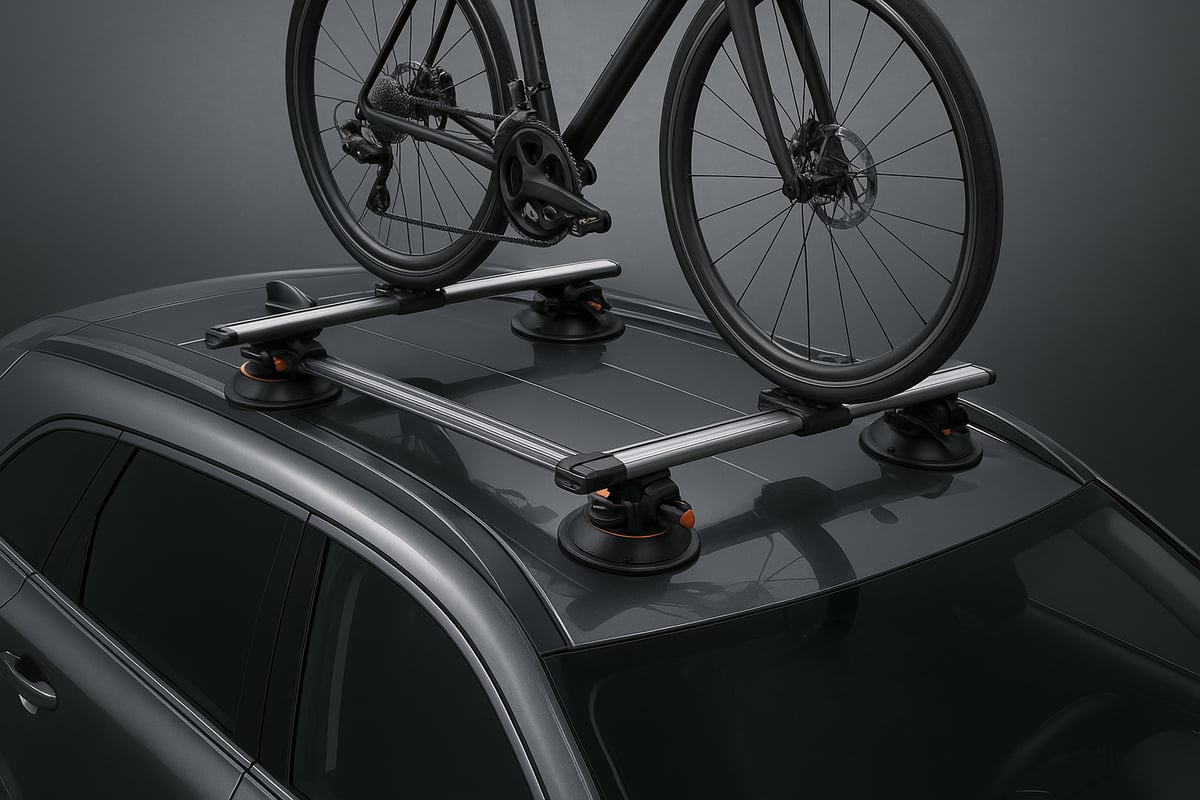
What Are Suction Cup Roof Racks?
A suction cup roof rack is a portable roof-mount system that attaches to a vehicle using powerful vacuum suction cups instead of clamps, bolts, or rails. This rack creates a secure hold by forming a vacuum seal between the suction cup base and the vehicle’s roof, usually with a manual or pump-activated mechanism.
Unlike traditional clamp-style or permanent racks, a suction cup roof rack requires no drilling or tools for installation. This makes it ideal for users who want a quick, reversible solution that leaves no marks behind. The table below highlights key differences:
| Feature | Suction Cup Roof Rack | Traditional Roof Rack |
|---|---|---|
| Installation | Tool-free, no drilling | May require tools/bolts |
| Vehicle Modification | None | Often permanent |
| Compatibility | Universal (smooth surfaces) | Model-specific |
| Removal | Quick, portable | Time-consuming |
Common gear transported with a suction cup roof rack includes:
- Bicycles (road, mountain, e-bikes)
- Kayaks and canoes
- Skis and snowboards
- Cargo boxes and storage cases
These racks are typically constructed from durable materials such as high-grade rubber for the suction cups, lightweight aluminum or reinforced plastics for crossbars, and corrosion-resistant coatings for longevity.
Suction technology works by pressing the cup against a clean, smooth surface and using a built-in pump or lever to evacuate air, creating a strong vacuum seal. Visual indicators often confirm proper attachment. For example, Spring Creek Manufacturing integrates robust vacuum gauges and reinforced plastics for added security.
Interest in the suction cup roof rack has surged in recent years, driven by its universal fit and non-intrusive design. According to the Suction Cup Roof Rack Market Report, sales have climbed steadily as more drivers seek versatile, easy-to-use solutions for rental cars, leased vehicles, and multi-car households.
Advantages and Limitations
A suction cup roof rack offers several standout benefits:
- No need for permanent vehicle modification
- Fast installation and removal, often in minutes
- Universal compatibility with most smooth, non-porous surfaces
- Portability for use across multiple vehicles
However, there are limitations to consider:
- Weight capacity can be lower than traditional racks (often 20-80 kg)
- Performance may vary in extreme weather conditions like heavy rain, snow, or intense heat
- Not suitable for textured, ribbed, or highly curved roof surfaces
Modern suction cup roof rack designs address common safety concerns by incorporating stronger materials, tamper-resistant mechanisms, and visual indicators for suction integrity.
User feedback highlights the system’s convenience, especially for short-term needs or when switching between vehicles. Rental car users and families with multiple cars report high satisfaction with versatility and ease of use. Common complaints center on surface compatibility and the need for regular cleaning to maintain optimal suction.
A suction cup roof rack is not a one-size-fits-all solution, but for many, it represents the perfect blend of flexibility and security.
Key Factors to Consider Before Buying
Choosing the right suction cup roof rack requires careful evaluation of several critical elements. Each factor impacts your safety, convenience, and the longevity of your investment. Here is what you need to know before making a purchase.
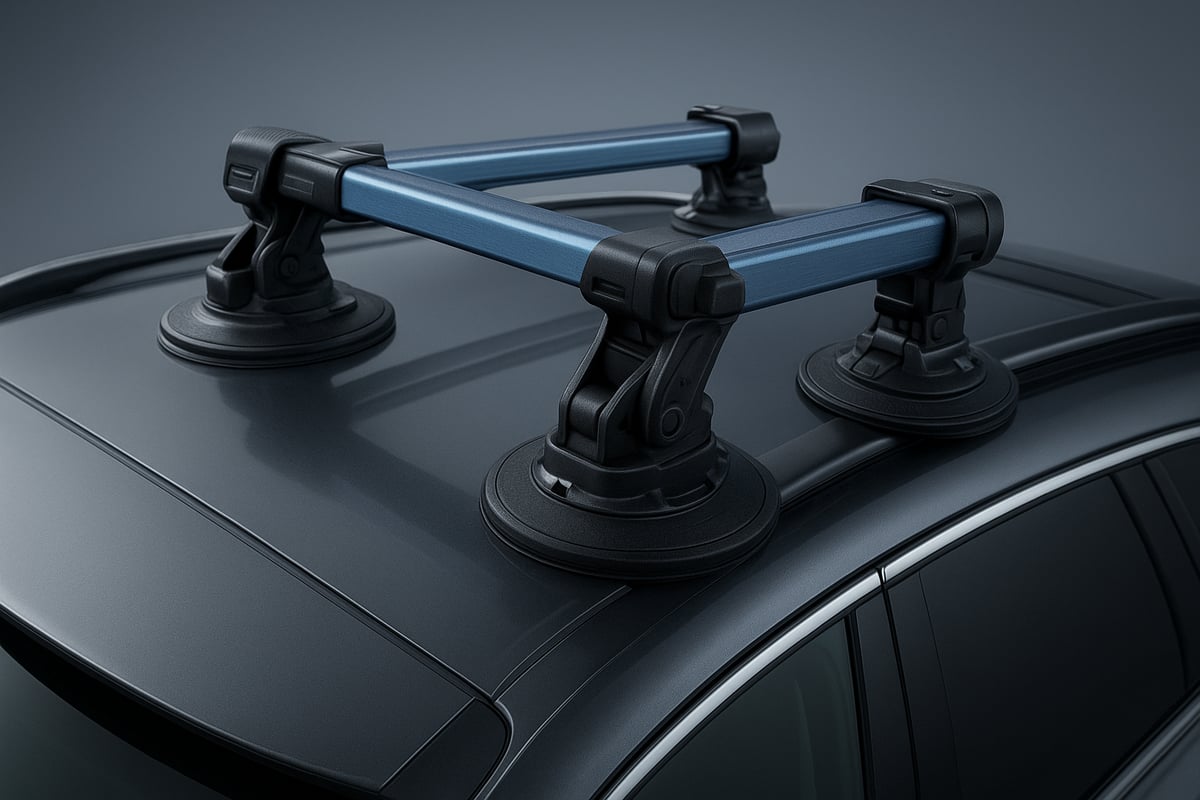
Vehicle Compatibility and Surface Requirements
A suction cup roof rack relies on a clean, smooth, and non-porous surface for maximum hold. This makes it ideal for most sedans, SUVs, and coupes, especially those with glass or metal roofs. However, textured, curved, or ribbed roofs may prevent a secure vacuum seal, so always check your vehicle’s surface first.
Many brands offer compatibility checklists to help you determine if your car meets the necessary requirements. For example, some models may not adhere well to vehicles with panoramic sunroofs or excessive body lines. Take the time to inspect your roof, as a poor fit can compromise safety and performance.
Weight Capacity and Load Distribution
Most suction cup roof rack systems are rated for loads between 20 and 80 kg, depending on the model. Accurately calculating the total weight of your gear, including racks and accessories, is essential. Exceeding the manufacturer’s stated limit can lead to suction failure.
Even weight distribution is vital for both safety and suction integrity. Place gear centrally, balancing the load across all suction points. Manufacturers provide clear guidelines for safe use, so always follow these recommendations to avoid damaging your vehicle or losing your cargo.
Durability and Material Quality
The durability of your suction cup roof rack depends on its construction. Premium models feature UV-resistant rubber, weatherproof aluminum, and reinforced plastics. These materials protect against sun, rain, and corrosion, extending the rack’s lifespan.
Entry-level racks may use less robust components, which can degrade faster with regular exposure. When comparing options, look for models with a proven track record of longevity. A quality rack should last several years with proper care, even in challenging environments.
| Feature | Entry-Level Model | Premium Model |
|---|---|---|
| UV Resistance | Basic | Advanced |
| Material | Standard Plastics | Reinforced/Aluminum |
| Lifespan | 1-2 Years | 5+ Years |
Security Features
Modern suction cup roof rack systems increasingly offer anti-theft locks, tamper-resistant designs, and multiple tie-down points. These features help secure both the rack and your gear, providing peace of mind when leaving your vehicle unattended.
Some 2026 models include advanced locking mechanisms and integrated cables. Look for racks with robust security upgrades, especially if you plan to transport valuable equipment. Always use all provided tie-downs and check locks before driving.
Certifications and Safety Standards
When selecting a suction cup roof rack, always verify compliance with relevant safety certifications. Standards such as ISO and TÜV ensure that racks meet rigorous testing for load, durability, and safety. Certified products often provide better insurance coverage and reduced liability in case of accidents.
For the latest requirements and testing protocols, consult resources like the ISO 11154:2023 Safety Standard, which outlines essential criteria for roof load carriers. Choosing a certified rack is a smart investment in your safety and compliance.
Step-by-Step Installation Guide
Installing a suction cup roof rack is straightforward, but precise steps ensure safety and reliability. Whether you are preparing for a weekend adventure or daily transport needs, following a detailed process is essential. Let us walk through the full installation, from prep to troubleshooting, so you can enjoy peace of mind on every journey.
Preparing Your Vehicle and Rack
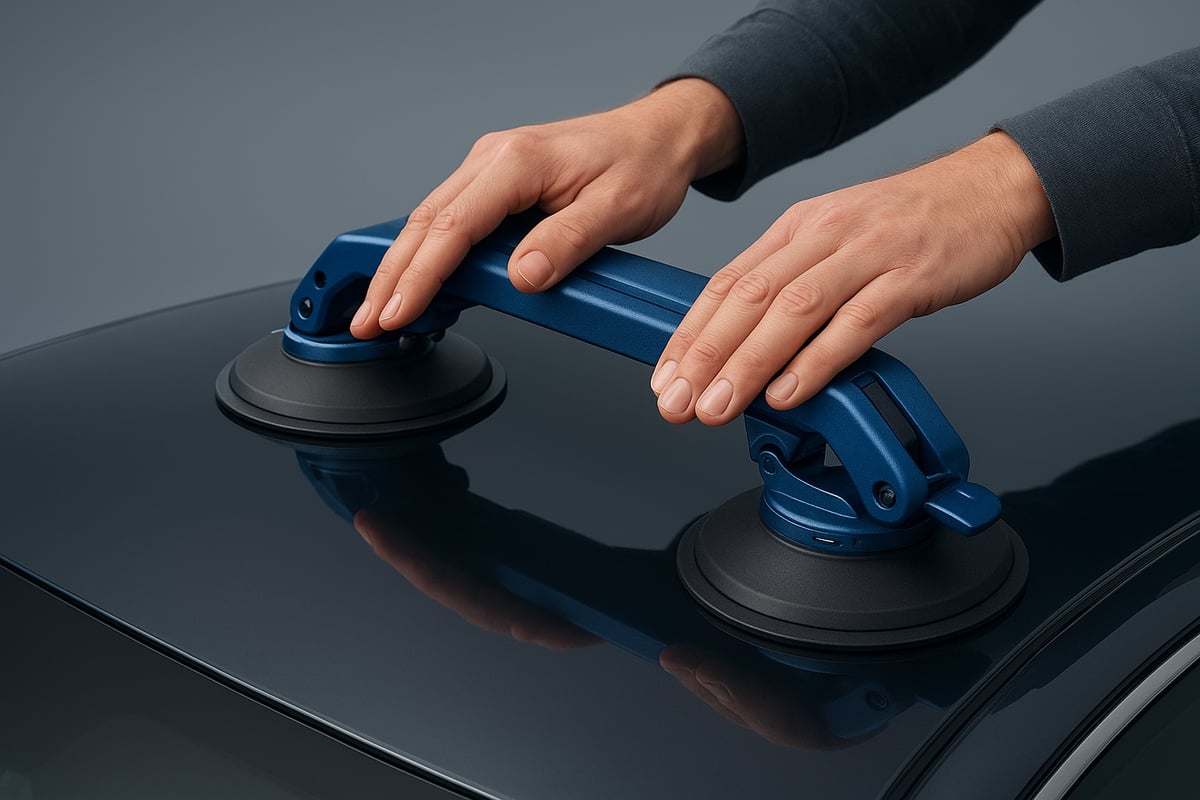
Start by selecting a dry, flat area for installation. Clean the roof surface thoroughly using mild soap and water. Even tiny particles can reduce the effectiveness of your suction cup roof rack, so pay extra attention to spots where the cups will attach.
Inspect each suction cup for cracks, debris, or signs of wear. Wipe them with a damp, lint-free cloth. Assemble any modular components according to the manufacturer’s instructions. Refer to your vehicle’s compatibility checklist, especially if you drive an SUV or specialty model. For more detailed instructions tailored to specific vehicles, the Range Rover Evoque roof rack guide offers valuable insights.
Taking the time to prepare both your vehicle and the suction cup roof rack ensures a secure fit and prevents issues during transport.
Attaching the Suction Cups
Position the suction cup roof rack evenly on your vehicle’s roof, considering both balance and aerodynamic efficiency. Make sure the surface is completely dry before proceeding.
Press each suction cup firmly against the roof. Activate the vacuum seal by pumping the built-in mechanism until the indicator shows full suction. Many modern racks feature visual cues, such as color-changing bands or pop-up markers, to confirm a secure seal.
Double-check alignment and ensure all cups are attached with equal pressure. This step is crucial for load stability and the long-term reliability of your suction cup roof rack.
Securing Your Gear
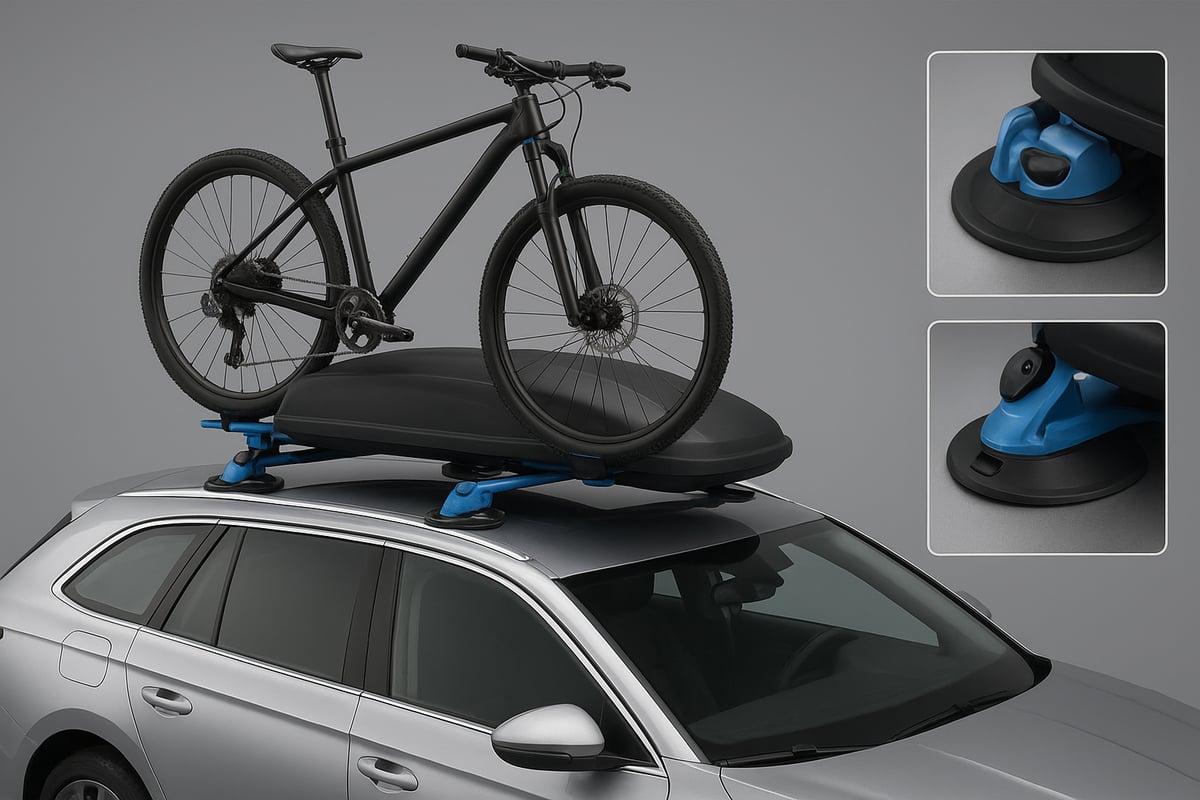
Once the rack is firmly in place, it is time to load your gear. Distribute weight evenly to maintain the suction integrity of your suction cup roof rack. Use high-quality straps and tie-downs, threading them through designated points on the rack.
For bikes, kayaks, or cargo boxes, follow the manufacturer’s guidance for attachment. Never exceed the weight capacity listed for your specific suction cup roof rack. Secure all buckles and fasteners, then gently shake your gear to ensure nothing shifts.
A checklist can help:
- Confirm all gear is properly strapped
- Check for loose ends or unsecured parts
- Make sure rack and gear do not obstruct doors or sunroofs
Final Safety Checks
Before driving, conduct a thorough inspection. Walk around your vehicle and visually inspect each suction cup for a tight seal. Confirm that all straps and locks are engaged.
Perform a short road test at low speed, listening for unusual noises or movement. Stop and recheck the suction cup roof rack after a few minutes. On longer trips, periodically inspect the rack and gear during breaks.
Safety checks are not just a formality—they are essential for preventing accidents and ensuring your journey goes smoothly.
Troubleshooting Common Issues
Even with careful installation, issues can arise. If you notice a loss of suction, check for dirt or moisture under the cups. Remove, clean, and reattach as needed. Extreme temperatures can affect suction, so avoid installation during freezing or scorching conditions.
If a suction cup fails mid-trip, stop safely and remove the rack. Inspect for damage before attempting reinstallation. Keep a basic cleaning kit and spare suction cups in your vehicle for emergencies.
Here is a quick troubleshooting table:
| Issue | Possible Cause | Solution |
|---|---|---|
| Loss of suction | Dirt, moisture, uneven surface | Clean and reattach |
| No vacuum seal | Damaged cup or pump | Replace part, check assembly |
| Gear shifting | Loose straps, uneven loading | Re-secure, balance load |
By addressing common issues promptly, you extend the life and safety of your suction cup roof rack.
Safety Tips and Best Practices
Choosing a suction cup roof rack is only the first step. Safe use depends on understanding best practices for installation, driving, and maintenance. By following expert guidance, you can maximize safety, reliability, and the lifespan of your rack and gear.
Maximizing Suction Strength and Reliability
To get the most from your suction cup roof rack, always start with a clean, dry, and smooth roof surface. Dirt, moisture, or wax residue can weaken the vacuum seal, increasing the risk of detachment. Inspect each suction pad for cracks or debris before every use.
Temperature also affects suction performance. Avoid installing your suction cup roof rack in extreme cold or direct sunlight, as rapid temperature changes can compromise the seal. Regularly check the pad's flexibility and ensure the surface is not too hot to touch.
Routine maintenance, such as cleaning the pads with mild soap and avoiding harsh chemicals, extends suction cup lifespan and reliability. Store the rack in a cool, shaded place when not in use to prevent UV damage.
Driving Considerations
When driving with a suction cup roof rack, adjust your habits to prioritize safety. Limit your speed according to manufacturer guidelines, which often recommend staying below 120 km/h when loaded. High speeds increase wind resistance and can strain the vacuum seal.
Avoid sudden stops, sharp turns, and rough roads to reduce shifting and maintain suction integrity. Before long trips, plan to stop periodically and inspect your rack and gear. If you drive an SUV or larger vehicle, you may find roof storage solutions for SUVs beneficial for comparing load options and safety tips.
Always check that straps and locks are secure before departure and after each stop.
Weather and Environmental Factors
Weather can significantly impact the security of your suction cup roof rack. In cold temperatures, suction pads may stiffen, reducing their grip. In high heat, softened rubber can lose shape and effectiveness. Always check the manufacturer's recommended temperature range.
Rain, snow, and ice can create slippery conditions on your roof, weakening the seal. Before attaching the rack, thoroughly dry the surface. In winter, remove ice and snow from both the roof and pads, and avoid exposing the rack to freezing conditions for extended periods.
During storms or high winds, consider removing your suction cup roof rack to prevent accidental detachment.
Legal and Insurance Considerations
Stay informed about local regulations regarding roof loads and overhangs. Many regions have strict rules about how far cargo can extend beyond your vehicle. Overloading your suction cup roof rack or carrying oversized items may result in fines or insurance issues.
Check with your insurer to confirm coverage when using non-permanent racks. Some policies require racks to meet specific safety standards or certifications. Keep documentation of your rack's ratings and installation instructions in your vehicle for reference.
Following legal guidelines not only keeps you compliant but also ensures your insurance remains valid in the event of an incident.
Real-World Examples and Statistics
User experiences with suction cup roof rack systems highlight both strengths and potential risks. Most users report high satisfaction when following best practices, with failure rates remaining low—typically under 2% according to recent industry data.
Common incidents include loss of suction due to dirty surfaces, ignored maintenance, or exceeding weight limits. Manufacturers have responded with improved safety indicators and alerts. Recalls in the past three years have primarily addressed issues with older pad materials and lack of proper user guidance.
By applying these safety tips and staying informed, you can reduce risks and enjoy reliable performance from your suction cup roof rack.
Maintenance and Longevity of Suction Cup Roof Racks
Proper maintenance is essential for getting the most out of your suction cup roof rack. By following a regular care routine, you can extend its lifespan and ensure reliable performance every time you travel. With the right approach, your suction cup roof rack can serve you well through years of adventures.
Cleaning and Storage
Keeping your suction cup roof rack clean is the first step to maintaining peak performance. Dirt, debris, and residue can weaken suction and reduce safety.
- Always use a mild soap and soft cloth to clean both the suction cups and rack components.
- Rinse thoroughly and dry with a lint-free towel to avoid water spots.
- For storage, keep your suction cup roof rack in a cool, dry place, out of direct sunlight.
Avoid stacking heavy items on top of the rack during storage. This will help prevent deformation of the suction cups and maintain their sealing ability.
Inspection and Replacement
Regular inspection is vital for the safety and longevity of your suction cup roof rack. Examine the suction cups for cracks, hardening, or loss of flexibility.
- Replace any cup that shows signs of wear or damage.
- Follow manufacturer guidelines on replacement intervals, which can range from one to three years depending on use.
- Inspect all metal and plastic components for signs of corrosion or fatigue.
If you notice persistent loss of suction, it may be time for a replacement. Keeping up with inspections ensures your suction cup roof rack remains reliable on every trip.
Seasonal Care
Seasonal changes can impact the materials and performance of your suction cup roof rack. In winter, clean off road salt and snow promptly to prevent corrosion. For summer, keep the rack away from prolonged UV exposure when not in use.
- Before winter storage, lubricate moving parts and check for any trapped moisture.
- In hot climates, use a UV protectant spray on rubber and plastic components.
Proper seasonal care helps your suction cup roof rack withstand harsh weather and temperature extremes, preserving both safety and appearance.
Extending Lifespan
To maximize the lifespan of your suction cup roof rack, use specialty lubricants on moving joints and apply UV protectant regularly. Many modern racks feature weather-resistant materials, but extra care pays off in the long run.
Recent advancements in roof rack materials and coatings, as highlighted in Automotive Roof Racks Market Innovations, are making products more durable and easier to maintain.
Frequent travelers recommend keeping a maintenance log and carrying spare suction cups. These small habits can help your suction cup roof rack deliver years of dependable service.
Innovations and Trends in Suction Cup Roof Racks for 2026
The suction cup roof rack market is evolving rapidly, with 2026 ushering in a wave of innovation focused on durability, smart technology, and user safety. As consumer expectations shift toward convenience and sustainability, leading brands are reimagining what a modern suction cup roof rack can deliver. This section explores the latest materials, cutting-edge features, and design trends shaping the future of these versatile transport solutions.
New Materials and Technologies
Manufacturers are now utilizing advanced polymers and lightweight alloys to make suction cup roof rack systems stronger and lighter than ever before. Reinforced plastics provide excellent UV resistance and weatherproofing, while new aluminum alloys ensure structural integrity without adding excess weight. These material upgrades have extended the lifespan of suction cup roof rack products and improved their adaptability across vehicle types.
Recent breakthroughs in suction technology have also enhanced the vacuum seal, allowing racks to maintain a secure grip even during long journeys or in challenging weather. These developments mean that a suction cup roof rack can now support a wider range of gear with greater reliability.
Enhanced Safety and Security
Safety is at the forefront of recent innovations. Real-time monitoring systems are now being integrated into suction cup roof rack designs, alerting users if suction strength drops or if a seal is compromised. For example, research on the FlexiCup: Wireless Suction Cup Sensor highlights how vision-tactile sensing and wireless alerts can transform user confidence and safety. Enhanced anti-theft mechanisms, such as tamper-resistant locks and secure tie-down points, are also becoming standard features.
These advancements help address previous concerns about accidental detachment and theft, making the suction cup roof rack a safer choice for both urban and adventure travelers.
Market Trends and Consumer Preferences
Eco-conscious consumers are driving a shift towards sustainable materials and greener manufacturing processes in the suction cup roof rack industry. Brands are responding by using recycled plastics, low-impact coatings, and modular designs that minimize waste. The demand for multi-purpose, easily customizable racks is growing, fueled by the rise in outdoor recreation and the popularity of rental or leased vehicles.
This trend toward flexibility and eco-friendliness is expected to shape the suction cup roof rack market for years to come.
Notable Brands and Product Releases
Established companies like Spring Creek Manufacturing are leading the charge with new product lines that incorporate the latest safety and material innovations. Reviews of top-rated 2026 models, such as those featured in the Menabo Holiday roof boxes review, showcase how modern suction cup roof rack solutions are becoming more aerodynamic, stylish, and user-friendly.
Side-by-side comparisons reveal improvements in weight capacity, modularity, and compatibility with a wider range of vehicles. These advancements offer consumers more options than ever before.
Predictions for the Future
Looking ahead, the suction cup roof rack industry is poised for further transformation. Experts anticipate the integration of AI-powered monitoring, increased use of biodegradable materials, and regulatory updates to standardize safety across markets. As technology evolves, users can expect even more intuitive, reliable, and environmentally responsible roof rack solutions in the coming years.
As you explore how suction cup roof racks offer flexibility and convenience for your travels in 2026, it is clear that smart storage solutions make all the difference for your outdoor adventures. At Coola Living Ireland, we understand the importance of having dependable options for both your vehicle and your home. If you are looking to keep your gear organized and protected year round, you may also appreciate the durability and style of our steel garden sheds. For an added benefit, you can enjoy Free Delivery on your ECO Steel Garden Shed—making it easier to upgrade your storage space with confidence.
Discover more from Coola Living Ireland
Subscribe to get the latest posts sent to your email.