
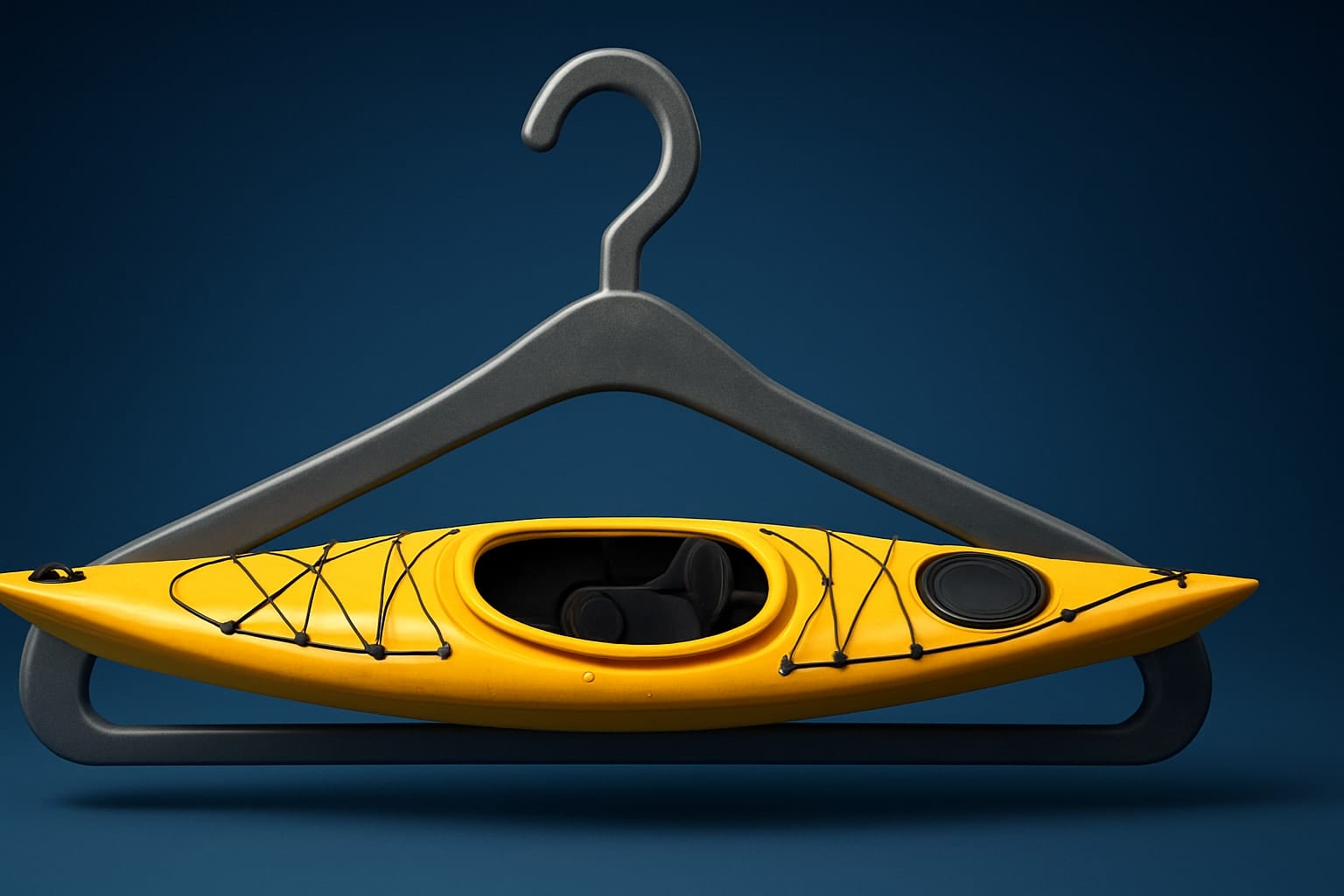
Struggling to keep your kayak safe, undamaged, and out of the way? You are not alone. Many paddlers find that improper storage leads to unnecessary wear, costly repairs, and wasted space.
A reliable kayak hanger can make all the difference in protecting your investment. This expert guide brings you the latest tips and proven strategies for secure kayak hanger storage in 2026.
Inside, you will discover why proper storage matters, the newest kayak hanger options, step-by-step installation instructions, essential safety advice, and maintenance best practices. Get ready to solve your storage challenges with actionable, expert-backed solutions that keep your kayak in top condition.
Why Proper Kayak Storage Matters
Proper kayak storage is more than just a convenience. It is an essential part of protecting your equipment and ensuring it lasts for years. Many kayaks suffer damage or loss simply because they are not stored correctly. By understanding the risks and benefits, you can make informed decisions about your storage solutions and get the most from your kayak hanger system.

The Risks of Improper Kayak Storage
Improper kayak storage can cause significant, costly damage over time. Leaving your kayak on the ground or exposed to sunlight leads to warping, cracking, and harmful UV damage. These issues can quickly compromise the hull and overall integrity.
Storing a kayak in unsecured areas increases the risk of theft or vandalism. Poor ventilation can also result in mold, mildew, or even pest infestations, especially in damp environments. These problems collectively shorten the kayak’s lifespan and decrease its resale value.
Consider real-world scenarios where kayaks left outside, unprotected, have suffered cracked hulls or faded finishes. Such damage is often preventable with a well-designed kayak hanger system.
Benefits of Using Kayak Hangers
A kayak hanger distributes weight evenly, preventing hull deformation that often occurs with improper storage. This method keeps your kayak off the ground and out of harm’s way.
Kayak hangers are space-saving solutions, perfect for garages, sheds, or outdoor areas. They offer quick and easy access, making spontaneous paddling trips hassle-free. Hangers also enhance safety for children and pets by keeping heavy equipment securely stored and out of reach.
Industry estimates show that using a kayak hanger can extend your kayak’s lifespan by three to five years, protecting your investment and reducing repair costs.
Environmental Considerations
Ireland’s unpredictable weather—rain, frost, and high humidity—can be harsh on kayaks left outdoors. A kayak hanger system shields your kayak from these elements, reducing the risk of weather-related damage.
By prolonging the life of your kayak, you reduce waste and your environmental impact. Many modern kayak hanger designs now use eco-friendly materials, such as recycled plastics or sustainably sourced timber, which further supports environmental responsibility.
Choosing the right kayak hanger is a small step that makes a big difference for both your equipment and the planet.
Value for Homeowners and Outdoor Enthusiasts
A kayak hanger helps homeowners maximize valuable storage space, especially in garages or sheds shared by multi-sport families. Organized storage increases home value and keeps living areas clutter-free.
For those with limited storage, kayak hangers are ideal for optimizing small spaces. If you are considering installing a hanger in a compact shed, the Sheds for Small Spaces guide offers useful tips to make the most of every square meter.
Whether you are a casual paddler or a passionate adventurer, a kayak hanger provides a tailored solution that fits your lifestyle and preserves your investment.
Types of Kayak Hangers and Storage Systems
Choosing the right kayak hanger system is essential for protecting your kayak, maximizing space, and ensuring quick access. In 2026, there are more options than ever, each suited for different storage environments and kayak styles. Let us explore the main types, their features, and what to consider for your needs.

Wall-Mounted Kayak Hangers
Wall-mounted kayak hanger systems remain the most popular choice for home storage. These designs include J-hooks, padded arms, and adjustable brackets that distribute weight evenly along the kayak’s hull. Wall-mounts are ideal for garages, sheds, and even indoor spaces where floor area is limited.
Installation usually requires a sturdy wall, often with access to wall studs or masonry. Popular models support weights from 35 kg to over 60 kg, accommodating most recreational and touring kayaks. Many feature soft padding to protect finishes and adjustable arms for varied kayak widths.
Benefits of Wall-Mounted Kayak Hangers:
- Saves floor space
- Allows for quick, easy access
- Can be installed at custom heights
Properly installed, a wall-mounted kayak hanger keeps your boat secure and prevents hull distortion.
Ceiling-Mounted Kayak Hangers
Ceiling-mounted kayak hanger systems are perfect for utilizing vertical space in garages or storage rooms with limited floor area. These often use pulley systems or hoists, enabling users to lift and lower kayaks with minimal effort.
Key safety features include locking mechanisms and weight ratings for different kayak sizes. Some systems allow storage of two or more kayaks, making them suitable for families or clubs.
A real-world example is a garage ceiling transformed into a multi-kayak storage zone, freeing up valuable floor space. Always check that your ceiling structure can support the kayak hanger and use appropriate anchors for safety.
Freestanding Kayak Racks and Hanger Stands
Freestanding kayak hanger racks are the go-to option for renters or those preferring not to drill into walls or ceilings. These stands are portable and can be set up indoors or outdoors, offering flexibility for changing storage needs.
Many freestanding racks support multiple kayaks, making them ideal for families or small paddling groups. Weather-resistant materials like powder-coated steel or treated timber ensure longevity, even in damp environments.
Features of Freestanding Kayak Hanger Racks:
- No permanent installation required
- Adaptable for different kayak sizes
- Easy to move and reposition
A freestanding kayak hanger delivers convenience without sacrificing security or support.
Outdoor Kayak Hanger Solutions
Outdoor kayak hanger systems are engineered to withstand the elements. Weatherproof wall or fence-mounted hangers use UV-resistant plastics, galvanized steel, or rustproof hardware for durability.
Security is a top priority outdoors. Many outdoor kayak hanger solutions include lockable designs or theft-deterrent features, ensuring your kayak remains safe from unauthorized access.
These hangers are perfect for gardens, patios, or sheds where space is at a premium. Always select hardware rated for outdoor use and consider environmental exposure when choosing an outdoor kayak hanger.
DIY vs. Commercial Kayak Hangers
When considering a kayak hanger, you face a choice: build your own or purchase a commercial system. DIY options, using straps or hooks, are often more affordable and customizable. However, commercial hangers provide tested safety, durability, and often a cleaner appearance.
Comparison Table: DIY vs. Commercial Kayak Hangers
| Feature | DIY Hanger | Commercial Hanger |
|---|---|---|
| Cost | Low | Medium to High |
| Durability | Varies by materials | Consistent, tested |
| Safety | DIY skill dependent | Manufacturer guaranteed |
| Installation | Flexible | May require professional |
For a comprehensive step-by-step approach, this DIY Kayak Wall Hanger Guide covers arm styles, padding, and detailed installation tips to help you create a space-saving solution.
Choosing the Right Hanger for Your Kayak Type
Matching your kayak hanger to your specific kayak is crucial for protection and ease of use. Sit-on-top, touring, inflatable, and fishing kayaks each have unique weight and size profiles.
Manufacturers often provide recommendations for compatible hanger types and weight limits. Always verify your kayak’s dimensions and ensure the hanger supports its weight and hull shape.
For multi-sport households, modular hangers can accommodate not only kayaks but also SUPs and canoes. Selecting the right kayak hanger ensures optimal support and longevity for your watercraft.
Step-by-Step Guide: Installing a Kayak Hanger
Ready to protect your kayak and reclaim valuable storage space? Installing a kayak hanger is a straightforward process that pays off with years of secure, organized storage. Follow these expert-backed steps to ensure your kayak hanger is set up safely and efficiently.

Planning Your Storage Space
Start by selecting the ideal location for your kayak hanger. Measure your kayak’s length, width, and weight to ensure you have enough space for safe storage and easy access. Evaluate the wall or ceiling strength where you plan to install the kayak hanger, checking for solid support such as studs or rafters.
Consider clearance on all sides for lifting and maneuvering the kayak without risk of damage. Visualize the path you’ll use to move the kayak in and out of storage. Good planning prevents future headaches and maximizes the effectiveness of your kayak hanger.
Gathering Tools and Materials
Before installation, gather all necessary tools and supplies for your kayak hanger project. Essential items include:
- Drill and appropriate drill bits
- Stud finder
- Level
- Measuring tape
- Fasteners suited to your wall or ceiling type (masonry, timber, drywall)
- Safety gear: gloves and eye protection
Choosing the right fasteners is crucial for secure mounting. Refer to the Kayak Hanger Installation Manual for step-by-step tool lists and safety tips specific to your kayak hanger model.
Investing time in preparation ensures a smoother installation and long-term stability for your kayak hanger system.
Marking and Preparing Mounting Points
Locate studs or ceiling rafters using a stud finder to anchor your kayak hanger securely. Mark the exact positions for each bracket or hook, spacing them to evenly distribute the kayak’s weight.
Double-check measurements for level alignment to prevent the kayak from tilting or slipping. When marking, avoid areas near electrical wiring or plumbing. If unsure, consult building plans or use a wire detector for added safety.
Proper preparation at this stage helps guarantee your kayak hanger will support your kayak reliably for years.
Installing the Kayak Hanger
Begin installation by drilling pilot holes at each marked location. Secure the brackets or hooks firmly using the appropriate fasteners for your wall or ceiling type. Use a level to confirm each part of the kayak hanger is perfectly straight.
After mounting, gently test the hanger’s stability by applying downward pressure. This ensures the kayak hanger can handle the expected load before placing your kayak.
A well-installed kayak hanger provides a safe, convenient storage solution you can trust.
Lifting and Securing Your Kayak
When it’s time to store your kayak, enlist a second person to lift it onto the kayak hanger. This reduces the risk of injury and accidental damage. Use padded straps or foam supports to prevent scratches or dents on your kayak’s hull.
Double-check that the kayak is centered and balanced on the kayak hanger. Ensure all straps, hooks, or brackets are fastened securely before letting go.
Proper lifting and placement are essential for maintaining both your kayak and the integrity of your kayak hanger system.
Troubleshooting Common Installation Issues
If you notice loose hangers or misaligned brackets, recheck your mounting points and fastener tightness. Address any wall or ceiling damage immediately to prevent further issues.
For uneven surfaces or limited space, consider using adjustable brackets or shims to level your kayak hanger. If the kayak feels unstable, redistribute the weight or upgrade to a heavier-duty system.
Quick troubleshooting ensures your kayak hanger remains a safe, dependable storage solution.
Expert Tips for Safe and Secure Kayak Storage
Maintaining your kayak in peak condition is about more than just finding a place to put it. Thoughtful use of a kayak hanger can prevent costly repairs, extend your kayak’s life, and simplify your paddling routine. Below, we share expert strategies for secure and efficient storage.

Protecting Your Kayak from Damage
A kayak hanger is your first line of defense against preventable damage. Always use padded arms or straps to avoid pressure points that could deform your hull. Keep the kayak out of direct sunlight, as UV exposure can weaken materials and fade finishes.
For added protection, rotate your kayak’s position every few weeks to ensure even wear. Avoid storing your kayak hanger near heat sources or in areas with drastic temperature shifts, which can cause warping or cracking. Regularly check for any signs of stress, especially around handles and seams.
Preventing Theft and Unauthorized Access
Security is a key part of any kayak hanger setup. Install lockable hangers or use a sturdy security cable to deter theft, especially if you store your kayak outdoors or in a shared space. Restricting access to your storage area is wise, and adding motion-sensor lights or cameras can further discourage intruders.
For enhanced peace of mind, consider integrating a dedicated anchor system, such as those found in the Bike Anchor Security Lock Kit, which adapts well for kayak hanger use. Always double-check that locks are engaged before leaving your kayak unattended.
Maximizing Storage Efficiency
An organized storage area makes paddling more enjoyable. With a well-placed kayak hanger, you can store paddles, life vests, and gear on adjacent hooks or shelves for easy access. Multi-kayak stacking solutions save space for families or clubs, helping everyone get out on the water faster.
Optimize your garage or shed layout by keeping walkways clear and using vertical space. Label gear bins and use wall-mounted racks to reduce clutter. This approach keeps your kayak hanger area safe and efficient.
Seasonal Storage Considerations
Seasonal changes require extra care for both your kayak and kayak hanger. Before winter, clean and dry your kayak thoroughly to prevent mold and mildew. Use a breathable cover that shields from dust but allows moisture to escape, especially for long-term storage.
Inflatable and composite kayaks benefit from partial deflation and careful positioning on a kayak hanger to avoid creases. If possible, store your kayak indoors during extreme weather to reduce exposure to frost or humidity.
Maintenance and Inspection Routines
Routine upkeep ensures your kayak hanger remains reliable year after year. Inspect all hardware for rust, cracks, or loose fittings every few months. Replace worn straps or padding immediately to maintain proper support.
Lubricate moving parts in pulley or hoist systems at least once a season. Use a simple checklist to track inspection dates and maintenance tasks:
| Task | Frequency |
|---|---|
| Check hardware | Monthly |
| Replace worn parts | As needed |
| Lubricate pulleys | Seasonally |
This proactive approach keeps your kayak hanger functioning at its best and protects your kayak investment.
Innovations and Trends in Kayak Hanger Design (2026)
The world of kayak hanger technology is evolving rapidly, with 2026 bringing smarter, greener, and more adaptable solutions than ever before. Whether you are an urban paddler or a rural adventurer, these trends ensure your kayak hanger setup is as advanced as your watercraft.
Smart Storage Solutions
Kayak hanger systems in 2026 are at the forefront of smart home integration. Many now include IoT-enabled features such as weight sensors, app-based notifications, and automated pulley mechanisms. These advancements make lifting and storing your kayak effortless, reducing manual labor and enhancing safety for all users.
Some systems even send alerts to your phone if your kayak hanger detects improper positioning or excessive weight. For those seeking detailed assembly guidance on modern racks, the Kayak Rack Assembly Guide offers step-by-step instructions for a range of innovative configurations.
Eco-Friendly and Sustainable Materials
Sustainability is a major focus for kayak hanger manufacturers this year. Modern designs favor recycled plastics and sustainably harvested timber, reducing environmental impact while maintaining strength and durability. Non-toxic finishes and coatings ensure safety for both people and the planet.
Brands leading this movement are transparent about sourcing and encourage users to recycle or upcycle components. Choosing an eco-friendly kayak hanger not only extends your kayak’s life but also supports a cleaner environment for future paddling adventures.
Modular and Expandable Systems
Adaptability defines the modular kayak hanger trend of 2026. Owners can now choose racks that expand horizontally or vertically to accommodate new gear, from stand-up paddleboards to bikes. Modular add-ons allow families or clubs to grow their storage as collections expand.
Many modular systems come with adjustable arms and interchangeable supports, ensuring compatibility with virtually any kayak hanger need. This flexibility is well documented in resources like the Kayak Rack Assembly Guide, which highlights the versatility of today’s storage solutions.
Customization and Aesthetic Trends
Personalization is increasingly important in kayak hanger design. Homeowners can select color schemes and finishes to complement their décor, while decorative covers and integrated LED lighting add style to utility areas. These aesthetic upgrades transform storage spaces into organized, visually pleasing environments.
For those installing kayak hanger systems in multipurpose outdoor spaces, secure and attractive options are available. Weatherproof garden sheds, like the Secure Bike Garden Sheds, offer both protection and style, making them ideal settings for modern kayak hanger installations.
Kayak Hanger Maintenance and Longevity
Keeping your kayak hanger in top condition is essential for protecting both your kayak and your storage investment. Regular maintenance, careful inspection, and timely upgrades will help ensure your storage system stands the test of time.
Cleaning and Care for Hangers
Routine cleaning is the first step in maximizing the life of your kayak hanger. Dirt, salt, and debris can build up, especially in coastal or urban settings, leading to corrosion or stuck mechanisms.
Wipe down all surfaces with a gentle cleaner and a soft cloth every few months, or more frequently if your storage area is exposed to weather. Pay special attention to brackets, straps, and padding. For outdoor setups, rinse off salt residue after storms to prevent rust.
A good practice is to set a seasonal reminder for this task, ensuring your kayak hanger stays in optimal condition year-round.
Inspecting for Wear and Tear
A thorough inspection of your kayak hanger can prevent accidents and costly repairs. Check for rust on metal parts, cracks in plastic or padding, and loose fittings at least twice a season.
Replace worn straps or padding immediately to avoid hull damage. Listen for any unusual sounds when moving the system, which may indicate hardware fatigue. If you use pulley or sling systems, reviewing a Kayak Hanger Sling Installation Video can help you spot signs of wear and confirm proper setup.
Promptly address any issues to maintain a secure, reliable kayak hanger for your gear.
Extending the Life of Your Storage System
Simple steps can add years to your kayak hanger’s lifespan. Lubricate moving parts, such as pulleys and hoists, at the start of each season with a silicone-based spray. For outdoor hangers, cover them during winter or prolonged rain to shield from moisture and UV rays.
If space is tight, integrating your kayak hanger setup with weather-resistant shed storage can be effective; see our Small Garden Storage Sheds Guide for ideas on protecting your equipment in compact areas.
Upgrade components as needed to match evolving safety standards and kayak sizes.
When to Replace or Upgrade Your Kayak Hanger
Even with diligent care, you may eventually outgrow your current kayak hanger. Signs it is time for a new system include visible rust, persistent instability, or incompatibility with new kayak models.
If you acquire additional kayaks or transition to a heavier style, check manufacturer recommendations for weight support. Modern hangers offer improved safety features and smart integration, making upgrades worthwhile.
Staying proactive ensures your kayak hanger continues to provide secure, hassle-free storage for years to come.
As you’ve seen, secure kayak storage isn’t just about saving space—it’s about protecting your gear, extending its lifespan, and keeping your home organized for every adventure. If you’re ready to create an all weather storage solution that fits your outdoor lifestyle, consider upgrading your setup with a dedicated shed. Not only does this safeguard your kayak and accessories, but it also enhances your property’s value and keeps everything within easy reach. Take the next step towards effortless storage and explore our Free Delivery on your ECO Steel Garden Shed to find a durable, weatherproof option designed for Irish conditions.
Discover more from Coola Living Ireland
Subscribe to get the latest posts sent to your email.