
Are you finding it challenging to choose the right storage solution for your garden or backyard in 2025? With so many options available, it can be easy to feel overwhelmed.
This expert guide is designed to help you confidently select, install, and maintain the perfect shed for your needs. We provide up-to-date advice to make your decision process straightforward.
Discover the latest trends in storage sheds, including top materials, essential buying tips, organization strategies, and future-proofing advice. Get ready to transform your outdoor space with clarity and step-by-step support.
Understanding Storage Shed Types and Materials
Choosing the right storage sheds in 2025 starts with understanding the range of materials, sizes, and styles available. Your decision will impact not only the look of your garden but also the shed's durability, maintenance, and long-term value.
Overview of Shed Materials
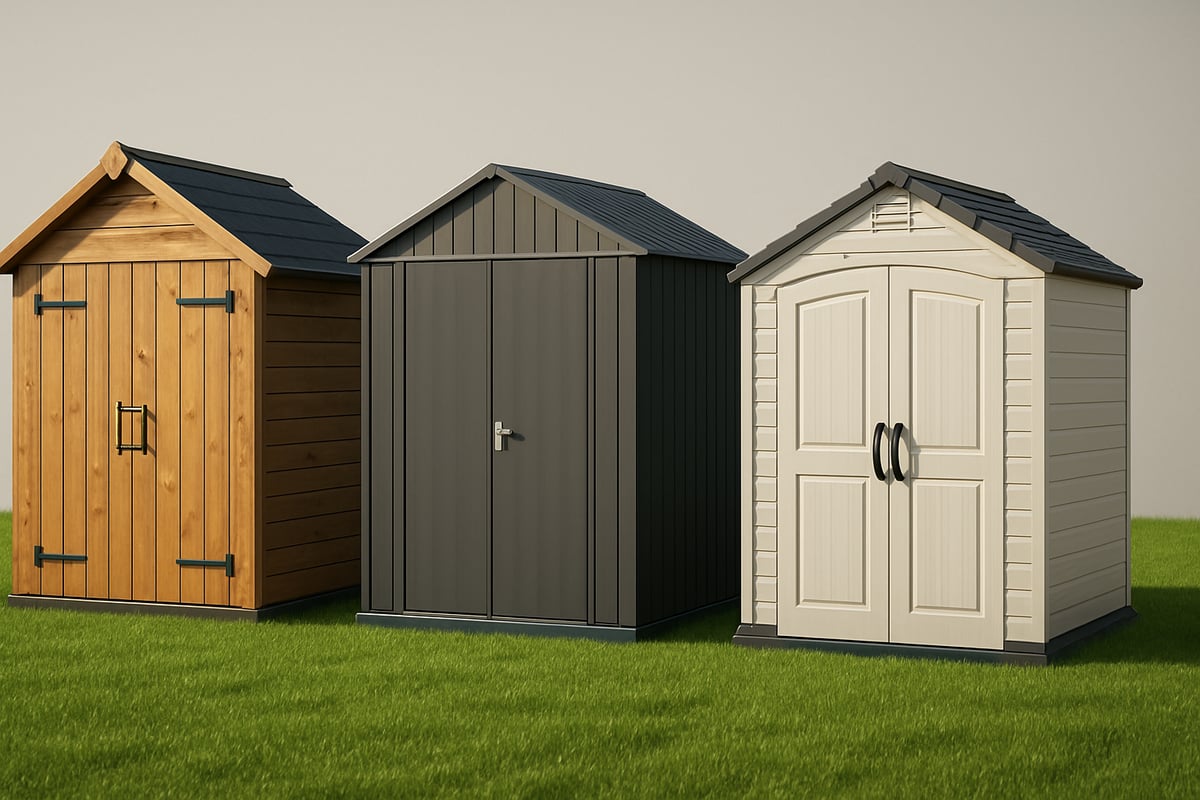
When comparing storage sheds, the material is the most significant factor affecting longevity and performance. The three main options are wood, metal, and plastic/vinyl, each with distinct features.
Wood Sheds:
Wooden storage sheds, such as Heartland models with LP® siding, are popular for their classic look and high customizability. Owners can paint, stain, or add shelving and windows with ease. However, wood requires annual maintenance to check for rot or insect damage, especially in damp climates like Ireland and the UK. Wood is also typically the most expensive option.
Metal Sheds:
Metal storage sheds, like Arrow galvanized steel models from Home Depot, are valued for strength and weather resistance. Steel sheds are less prone to insect infestation and can withstand strong winds. The main challenge is preventing rust, which means regular inspections and occasional painting are necessary. Metal sheds are usually more affordable than wood and are top-rated for durability.
Plastic/Vinyl Sheds:
Plastic or vinyl storage sheds, such as those by Rubbermaid or Suncast, are known for low maintenance and resistance to rot, rust, and pests. They are easy to clean and generally mid-range in price. While vinyl sheds offer fewer customization options, they perform well in wet climates, making them a reliable choice for many homeowners.
Here’s a quick comparison:
| Material | Durability | Maintenance | Customization | Typical Cost |
|---|---|---|---|---|
| Wood | High | Annual | Excellent | High |
| Metal | Very High | Occasional | Good | Low to Mid |
| Plastic/Vinyl | High | Minimal | Limited | Mid |
For a deeper dive into how each material performs in real-world conditions, see this Shed Materials Comparison Guide.
Selecting the right material for your storage sheds can help ensure your investment stands up to local weather and meets your maintenance preferences.
Shed Sizes and Styles
The next step in choosing storage sheds is deciding on the size and style that best suits your space and needs. Retailers like Lowe’s categorize sheds as small (up to 36 sq ft), medium (37–100 sq ft), and large (over 100 sq ft), making it easier to match your inventory and available garden space.
Small Sheds:
Ideal for garden tools, bikes, or bins. The CRAFTSMAN® 7×7 resin shed is a great example, offering compact storage without dominating your yard.
Medium Sheds:
Perfect for lawn mowers, larger equipment, and seasonal items. They provide enough room for organization systems and shelving.
Large Sheds:
Suitable for workshops, hobby spaces, or storing outdoor furniture. The Heartland 12×8 wood shed offers ample space for both storage and workspace.
Roof Styles:
Storage sheds come in various roof designs, including gable, pent, apex, barn, and box roofs. Gable roofs are classic and help with water runoff, while pent roofs fit neatly against fences or walls.
Specialized Sheds:
Options like bike storage, potting sheds, bin stores, and summerhouses allow you to tailor your storage solution to specific needs. Leading brands such as Rubbermaid, Arrow, Suncast, Best Barns, and Duramax offer models for every requirement.
When evaluating storage sheds, consider not only current needs but also potential future uses. Flexible sizing and style options can help your shed adapt as your lifestyle changes.
Key Considerations Before Buying a Storage Shed
Choosing the right storage sheds for your property is an investment in both organization and peace of mind. Before making a purchase, it is essential to evaluate your requirements, site conditions, and budget to ensure you select a solution that will serve you well for years to come.
Assessing Your Storage Needs
Begin by taking a detailed inventory of what you plan to store in your new shed. Common items include gardening tools, bicycles, lawn mowers, outdoor furniture, and seasonal decorations. Creating a list helps you visualize the required space and prevents overcrowding in your storage sheds.
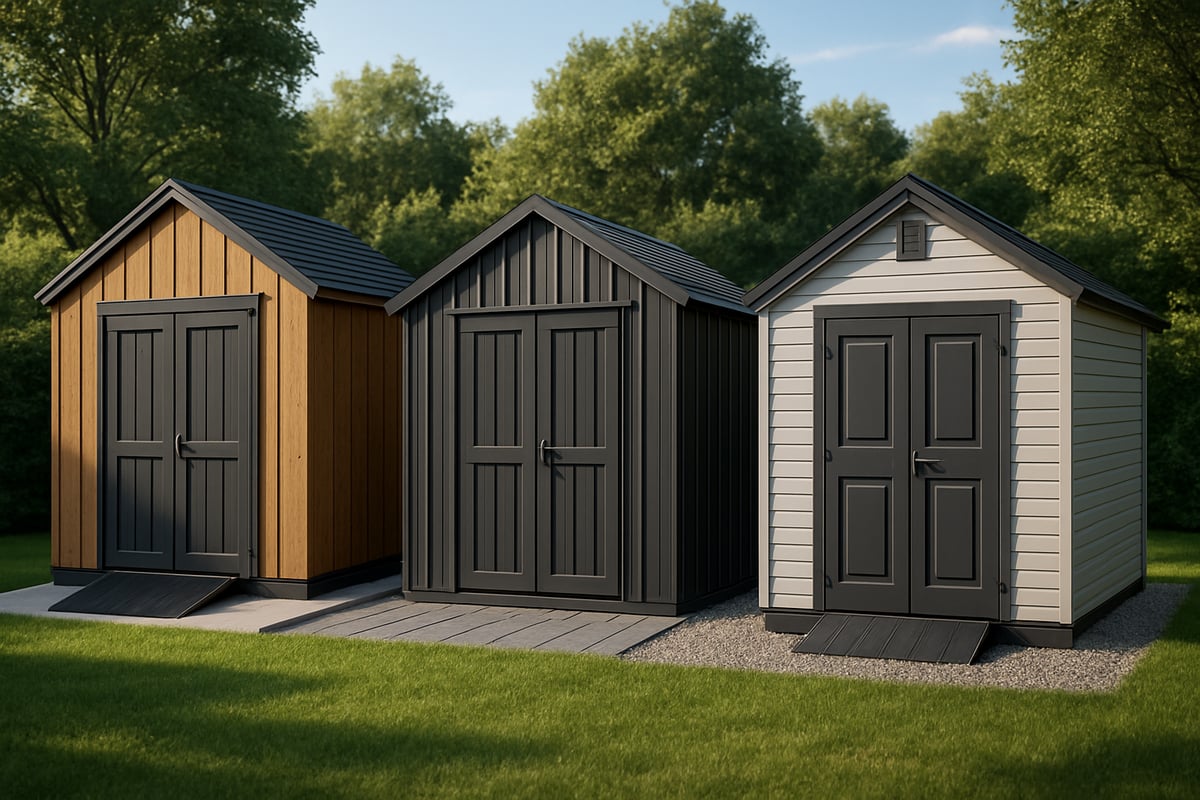
Consider future growth as well. Opting for slightly larger storage sheds allows flexibility as your storage needs expand. Accessibility is also crucial. Features such as double doors, ramps, and floor kits make it easier to move bulky items in and out. For instance, brands like CRAFTSMAN and Heartland offer sheds with extra-tall sidewalls for vertical storage, which many users find useful.
Security should not be overlooked. Look for lockable doors, reinforced panels, and hidden hinges to keep your possessions safe. Depending on your location, check local regulations regarding planning permission and placement of storage sheds. In Ireland and the UK, boundary rules and site restrictions are important factors to review before installation.
Site Selection and Preparation
Selecting the ideal site for your storage sheds is vital for long-term durability. Always choose level ground and prepare a stable foundation to prevent shifting or water damage. Popular foundation options include concrete slabs, paving slabs, and prefabricated floor kits. For detailed guidance on foundation choices and installation, refer to Garden Shed Bases and Foundations.
Sun and shade exposure also affect the lifespan of storage sheds. Too much sun can cause fading, while constant shade might encourage mold or mildew. Evaluate drainage around the site to avoid water pooling, which can damage the shed floor or lead to rot in wood models.
Consider proximity to your house or garden entrance for convenience and aesthetics. A well-placed shed is both functional and visually pleasing. For example, building on a concrete slab or using a prefabricated kit ensures a solid foundation with minimal maintenance.
Budget Planning
Budgeting for storage sheds involves more than just the initial purchase price. Factor in the cost of the base or foundation, delivery fees, installation charges, and essential accessories like shelving or security kits.
Ongoing maintenance costs vary by material. Wood sheds generally require annual treatments, while vinyl and steel models are lower maintenance. Compare bundled kits, which often include floors or accessories, against purchasing items separately. Retailers like Home Depot and Lowe’s frequently offer value bundles that can help you save.
For a typical 8×6 shed project, outline your expenses in a table to clarify your total investment:
| Item | Estimated Cost |
|---|---|
| Shed Kit | €800–€1,200 |
| Foundation | €150–€400 |
| Delivery | €50–€120 |
| Accessories | €100–€300 |
| Maintenance | €30–€80/year |
Careful budgeting ensures you get the most value from your storage sheds while avoiding unexpected costs.
Step-by-Step Guide to Selecting and Installing Your Shed
Selecting and installing storage sheds can seem daunting, but a structured approach simplifies the process. By following these seven steps, you ensure a smooth experience and a shed that meets your needs for years to come.
Step 1: Define Purpose and Storage Requirements
Begin by clarifying what you want from your storage sheds. Will you store tools, bikes, garden equipment, or seasonal decorations? Make a comprehensive list to avoid underestimating your space needs.
Consider the largest items, such as lawn mowers or bicycles, and whether you require workspace or hobby zones in your shed. Planning for future growth is wise, as additional equipment or supplies may accumulate over time.
Estimate the minimum square footage needed by grouping items by size and frequency of use. This foresight ensures your storage sheds remain functional and uncluttered as your needs evolve.
Step 2: Choose the Right Material and Style
Selecting the best material is crucial for durability and maintenance. Wood offers classic aesthetics and high customizability, while metal is robust and often more affordable. Vinyl and resin sheds are valued for low maintenance and weather resistance.
Climate and maintenance willingness should guide your decision. For a detailed breakdown of each option’s strengths and weaknesses, explore Resin vs. Wood vs. Metal Sheds. Roof style also matters; gable, pent, and barn roofs each provide distinct looks and interior space.
Choose a style that complements your home and garden, and review manufacturer warranties for peace of mind. This step ensures your storage sheds are both practical and visually appealing.
Step 3: Obtain Necessary Permissions
Before installation, research local regulations regarding storage sheds. In Ireland and the UK, planning permission may be required based on shed size, height, or proximity to boundaries.
Check with your local council for up-to-date guidelines. Restrictions can impact placement, so clarify these early to avoid costly mistakes or forced relocations.
If your storage sheds exceed permitted development limits, you may need formal approval. Proper documentation streamlines the process, ensuring your investment is compliant and secure.
Step 4: Prepare the Site
A solid foundation underpins the longevity of all storage sheds. Choose a level, well-drained area to prevent water damage and structural issues.
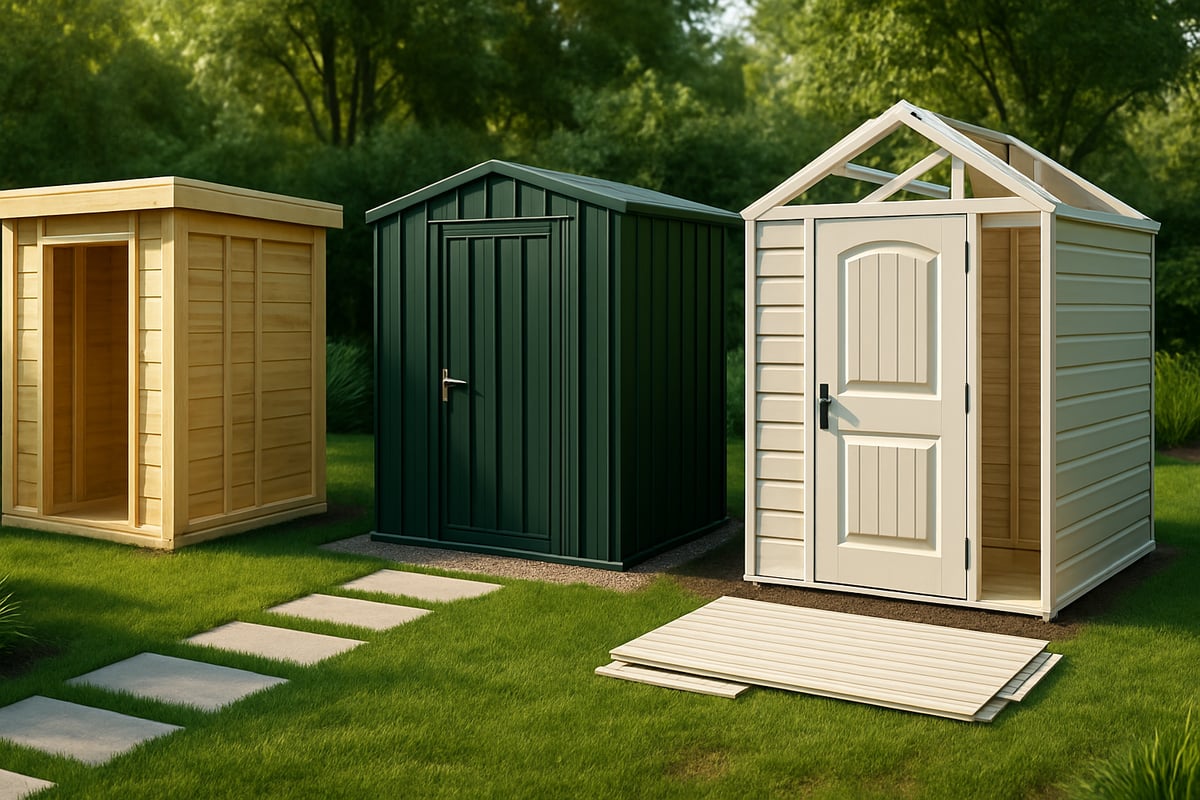
Clear vegetation and debris from the site. For most sheds, options include concrete slabs, paving stones, or prefabricated floor kits. Each offers stability and protection from ground moisture.
Sun and shade exposure also matter; excessive sunlight can degrade some materials, while damp areas promote rot or rust. Careful site preparation extends the lifespan of your storage sheds.
Step 5: Purchase and Delivery
When ready to buy, compare reputable suppliers offering bundled kits and strong warranties. Evaluate delivery options, as some storage sheds ship flat-packed while others arrive assembled.
Confirm measurements before ordering, and factor in extra space for doors and access paths. Upon delivery, inspect all components for damage or missing parts to resolve issues promptly.
Bundled kits often include floors, shelves, and assembly hardware, saving time and money. This attention to detail ensures your storage sheds project starts off smoothly.
Step 6: Assembly and Installation
Decide whether to assemble your storage sheds yourself or hire professionals. DIY assembly can be rewarding, but review the required tools and instructions beforehand.
Most modern sheds include step-by-step guides, and essential tools typically include a drill, screwdriver, and safety gear. Enlist help for larger models to ensure safety and alignment.
Follow the manufacturer’s sequence precisely for best results. Proper assembly guarantees your storage sheds are sturdy, weather-resistant, and ready for use.
Step 7: Initial Setup and Organization
Once installed, customize the interior of your storage sheds for maximum efficiency. Install shelves, hooks, and racks to organize tools and supplies. Consider adding weatherproofing treatments, especially for wood sheds.
Enhance accessibility with ramps or wide doors, and secure your shed with quality locks and anchors. Good ventilation prevents condensation and mold.
Initial organization sets the tone for long-term ease of use. Thoughtful planning ensures your storage sheds remain tidy, secure, and adapted to your evolving needs.
Essential Shed Accessories and Customization Ideas
The right accessories can transform storage sheds from simple outbuildings into highly functional, organized, and secure spaces. Whether you are optimizing a new shed or upgrading an existing one, there are numerous options to enhance usability and appearance.
Must-Have Accessories
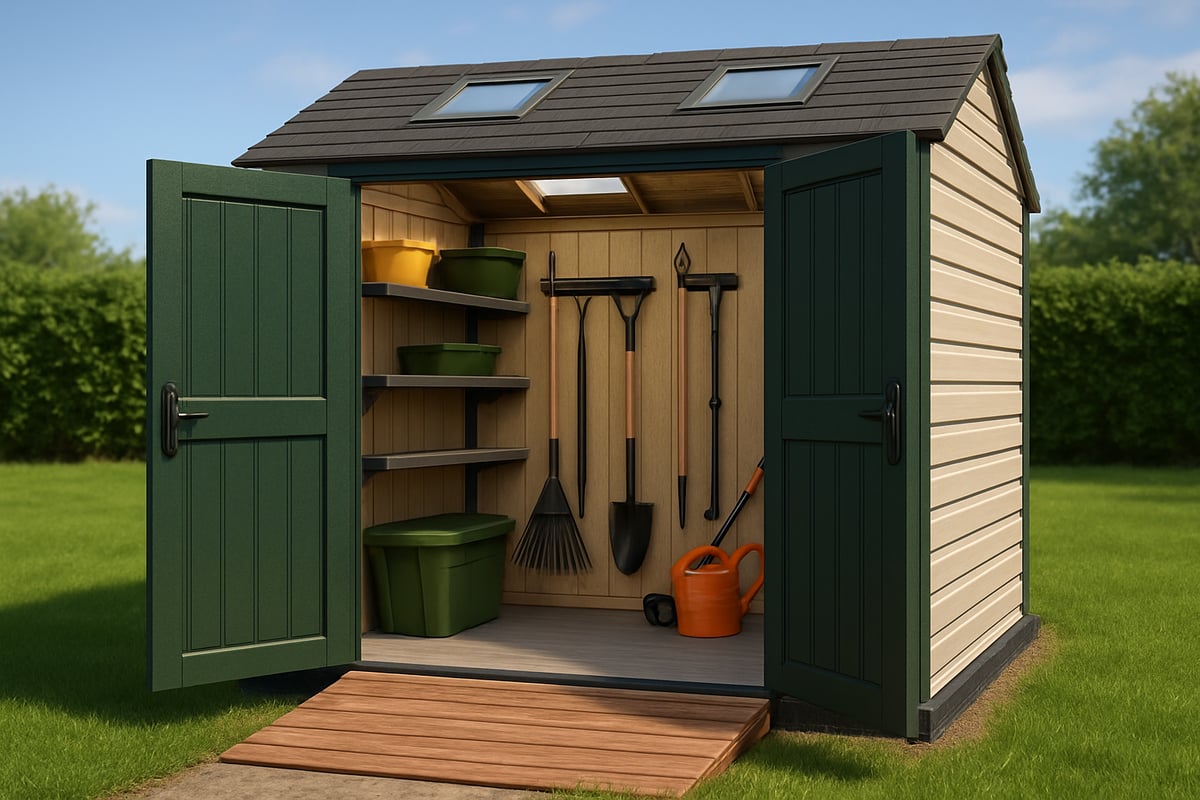
Start with the essentials. Interior organization is key for storage sheds, so consider strong shelving units, wall-mounted hooks, and tool racks. These maximize vertical space and keep equipment within easy reach.
For natural light, installing windows or skylights is invaluable. Not only do they reduce the need for artificial lighting, but they also create a more pleasant environment for working inside storage sheds. Weatherproof models are available for all major shed materials.
Easy access is another priority. Ramps make it simple to wheel in lawn mowers or bikes, while floor kits provide added stability and help prevent moisture issues. For sheds placed on uneven ground, modular floor systems are particularly effective.
Security is crucial for protecting valuable tools and bikes. Reinforced doors, padlocks, and motion-activated lights are popular upgrades. For added peace of mind, explore specialized solutions like the Shed Security and Bike Anchor Kit, designed to anchor bikes and deter theft. Consider hidden hinges and reinforced panels for further protection.
Proper ventilation should not be overlooked. Louvers, vents, or opening windows help prevent condensation, mold, and musty odors, especially in climates where storage sheds are exposed to frequent rain or humidity.
Below is a summary table of essential accessories for storage sheds:
| Accessory | Purpose | Recommended For |
|---|---|---|
| Shelves/Racks | Organization | All shed types |
| Windows/Skylights | Natural light, ventilation | Wood, vinyl, metal |
| Ramps | Easy entry for equipment | Bike, mower storage |
| Security Kits | Theft prevention | Tool, bike storage |
| Floor Kits | Stability, moisture barrier | All shed types |
| Vents/Louvers | Airflow, mold prevention | Humid climates |
Customization and Upgrades
Customization allows storage sheds to truly reflect your needs and style. For wood sheds, painting or staining offers not only protection but also the chance to match your shed to your home or garden palette. Vinyl and metal sheds can be personalized with color-matched trims or decorative panels.
Overhead storage and lofts are smart additions for maximizing vertical space. Many brands, such as Heartland, offer expansion kits and built-in shelving to help repurpose storage sheds into hobby rooms, workshops, or seasonal storage.
Transforming storage sheds into functional retreats is a growing trend. "She shed" or man cave conversions might include insulation, decorative lighting, and comfortable seating. Adding power outlets enables you to use electric tools or set up a small garden office.
Upgrades such as French doors or additional skylights not only improve access and aesthetics, but also increase natural light. These features make storage sheds more versatile and enjoyable to use.
Data shows that sheds with customization options are far more likely to be adapted for multiple purposes over time. Investing in flexible accessories and layout solutions ensures your storage sheds remain useful as your needs evolve.
A thoughtful approach to upgrades and accessories will help you get the most value and enjoyment out of your storage sheds for years to come.
Organization, Maintenance, and Longevity Tips
A well-maintained and organized garden shed can transform your outdoor space, making it more functional and extending the life of your investment. Whether you are using storage sheds for tools, bikes, or gardening supplies, thoughtful organization, diligent maintenance, and attention to security are essential for lasting results.
Effective Shed Organization Strategies
Smart organization is the backbone of efficient storage sheds. Begin by zoning your shed, dedicating specific areas for tools, bikes, gardening supplies, and seasonal items. This approach ensures every item has a logical place and minimizes clutter.
Vertical storage is a game changer. Use wall-mounted racks, pegboards, and overhead shelves to maximize space. Modular shelving and stackable bins offer flexibility as your storage sheds needs change throughout the year.
Labelling shelves and bins helps you quickly locate items. Consider keeping an inventory list, especially if you store small hardware or rarely used equipment. Many modern storage sheds, such as those from Rubbermaid and Suncast, come with built-in shelving options that make organization easier.
By combining zoning, vertical solutions, and smart labeling, your storage sheds will remain tidy and accessible.
Maintenance Best Practices
Regular maintenance is crucial for the longevity of storage sheds. Start with inspections: check for leaks, rot, rust, and signs of pest entry at least twice a year. Address any issues promptly to prevent major repairs down the line.
Cleaning routines are simple yet effective. Sweep the floor, wash surfaces, and air out the shed to prevent mold and keep contents fresh. Weatherproofing is key for wood storage sheds; reseal, repaint, or treat the exterior annually. For metal sheds, focus on rust prevention and touch-up painting. Vinyl and plastic sheds need periodic cleaning and, if possible, a UV treatment.
Knowing how different materials perform over time is important. For a deeper dive into how plastic and wooden storage sheds compare for maintenance and durability, see this Plastic vs. Wooden Sheds Comparison.
Consistent care ensures your storage sheds remain in top condition, saving you money and effort long-term.
Maximizing Longevity
To make storage sheds last, start by preventing condensation and mold. Proper ventilation, like adding wall vents or windows, keeps air flowing and controls moisture. Moisture barriers and raised foundations help avoid water damage, especially for wood sheds.
Upgrade your foundation whenever possible. Avoid placing storage sheds directly on soil. Concrete slabs, pavers, or prefab floor kits provide a stable, dry base and protect against rot or rust.
Seasonal checks are wise, especially after storms or heavy snow. Industry data shows that storage sheds receiving regular maintenance last up to 30 percent longer. Taking these proactive steps will help your shed serve you well for years.
Storage Safety and Security
Security is a vital aspect of modern storage sheds. Install secure lock systems and consider adding an alarm or motion-activated lighting for peace of mind. Reinforced doors and hidden hinges offer extra protection against theft.
Think about fire safety, especially if you store flammable materials or use electrical equipment inside your storage sheds. Store chemicals and sharp tools out of reach of children and use childproof locks where needed.
By prioritizing safety, you not only protect your belongings but also ensure your storage sheds remain a safe and functional space for your family.
Storage Shed Trends and Innovations for 2025
Staying ahead of the curve with storage sheds means embracing the latest technology, sustainability, and design trends. In 2025, manufacturers are reimagining what a garden shed can be, blending smart features with eco-friendly materials and versatile layouts. Explore what is shaping the future of storage sheds and how you can make a forward-thinking investment.
Smart Shed Technology
The rise of smart home devices has extended to storage sheds, making them more secure and convenient than ever. In 2025, expect to see sheds equipped with WiFi-enabled smart locks, security cameras, and motion-activated lighting. These features help protect valuable tools and equipment, offering peace of mind whether you are at home or away.
Climate control is another emerging trend. Solar-powered fans, insulation kits, and dehumidifiers ensure that storage sheds maintain optimal conditions year-round. These upgrades prevent moisture damage and preserve your belongings, especially in unpredictable climates.
Modern storage sheds can now be integrated with home automation systems, allowing you to monitor and manage your shed remotely. With these advancements, your shed becomes a seamless extension of your smart home ecosystem.
Eco-Friendly and Sustainable Sheds
Sustainability is a driving force in storage sheds innovation. Many manufacturers are now using recycled steel, eco-friendly vinyl, and responsibly sourced timber. Solar panels are increasingly popular, providing energy for lighting or climate control with minimal environmental impact.
Green roofs and rainwater collection systems are also gaining traction. These features help regulate temperature inside the shed and support sustainable gardening practices. For those seeking a practical example, the 6×4 Eco Steel Shed Details showcase how eco-conscious design meets durability in a compact format.
Choosing sustainable storage sheds not only benefits the environment but also reduces long-term maintenance and operating costs. These innovations ensure your shed is as green as your garden.
Modular and Expandable Designs
Flexibility is key for storage sheds in 2025. Modular designs allow you to expand your shed as your needs evolve, whether you require more storage space, a home office, or a hobby workshop. Expansion kits and modular interiors offer easy customization, making it simple to adapt your shed to new uses.
Some storage sheds now feature interchangeable panels, adjustable shelving, and removable walls. These elements provide unmatched versatility, supporting a range of activities from gardening to fitness. Investing in a modular shed means your space grows with you, eliminating the need for costly replacements.
With modularity, storage sheds become a long-term solution rather than a temporary fix, delivering ongoing value for homeowners.
Aesthetic and Functional Trends
Aesthetic innovation is transforming storage sheds into stylish backyard features. In 2025, expect modern color palettes, sleek hardware, and customizable facades. Options like French doors, skylights, and decorative windows are becoming standard, helping sheds blend seamlessly with home exteriors.
Multi-use sheds are also on the rise. Homeowners are combining storage with relaxation areas, workshops, or studios. These spaces are designed for both function and comfort, with insulation, lighting, and decor upgrades.
The focus on both appearance and usability ensures that storage sheds enhance your property's value and curb appeal, making them a smart addition to any garden.
Data and Insights
Industry data shows a surge in demand for low-maintenance, high-durability storage sheds made from vinyl and steel. The popularity of she sheds and backyard studios continues to grow, reflecting homeowners' desire for versatile, adaptable spaces. Leading brands like Heartland and Arrow are introducing innovative features in their 2025 models, such as integrated security and modular expansion.
If you want to explore the top-rated products shaping these trends, check out the Best Outdoor Storage Sheds 2025 for expert recommendations and detailed reviews.
To future-proof your investment, choose storage sheds with adaptable designs, upgradeable materials, and thoughtful accessories. These choices ensure your shed remains functional and valuable for years to come.
Now that you've explored the key factors in choosing the perfect storage shed—from materials and sizing to organization and future-proofing—you're ready to make a well-informed decision for your garden or backyard in 2025. If you're looking for a durable, low-maintenance solution that will stand up to the Irish climate, I recommend considering a steel shed for its strength and longevity. To make things even easier, you can take advantage of Free Delivery on your ECO Steel Garden Shed from Coola Living Ireland. Enjoy peace of mind and a clutter-free outdoor space this year!

