
Are you searching for a reliable, efficient way to heat your space in 2025? Paraffin heaters are making a strong comeback as cost-effective solutions for homes, workshops, and outdoor areas. This essential guide will walk you through everything you need to know about paraffin heaters, from basic operation to advanced buying tips. Discover the different types available, crucial safety and maintenance advice, and the latest innovations transforming the market. Whether you are new to paraffin heaters or looking to upgrade, this handbook will help you make confident, informed decisions for your heating needs.
Understanding Paraffin Heaters: How They Work and Why They Matter
Paraffin heaters are regaining popularity in 2025 as reliable, efficient heating solutions for diverse spaces. To make an informed decision, it is important to understand what sets paraffin heaters apart, how they function, and why they are a relevant choice for modern households and workspaces.
What Is a Paraffin Heater?
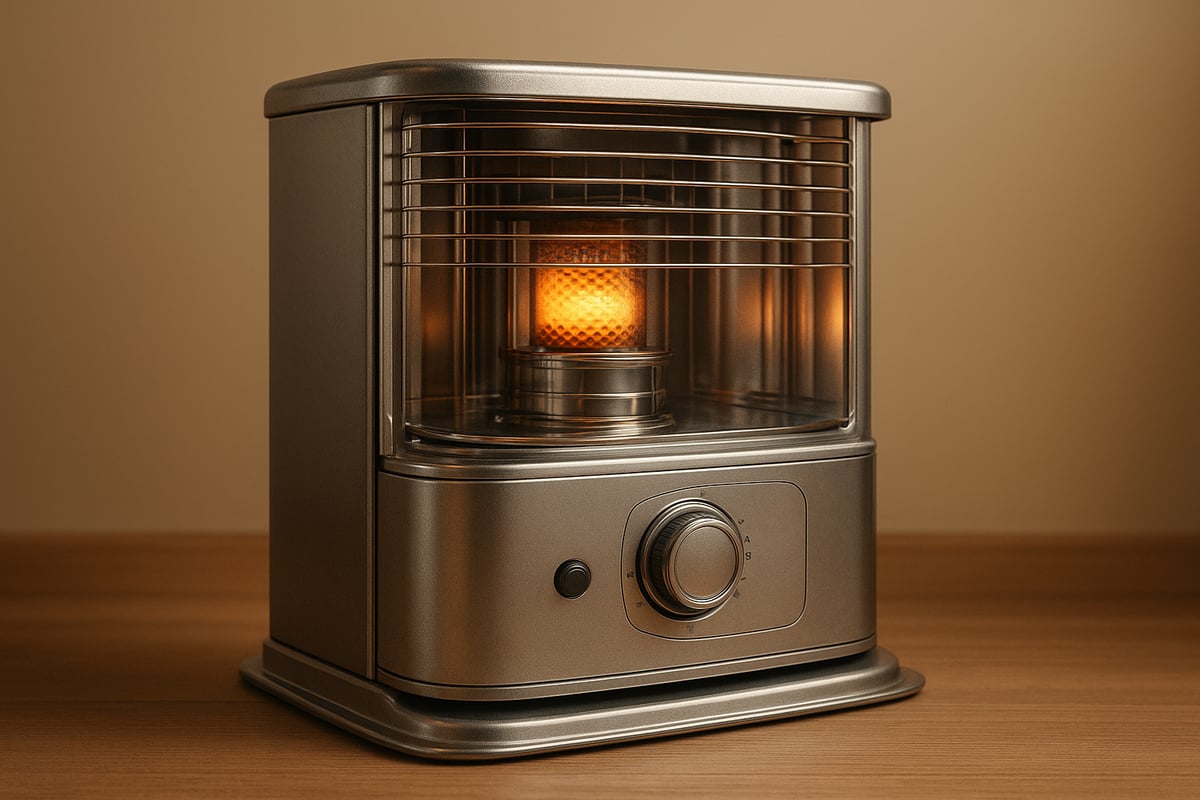
A paraffin heater is a portable heating device that uses liquid paraffin (kerosene) as fuel. Core components include a fuel tank, combustion chamber, and either a wick or burner assembly. Unlike electric or gas heaters, paraffin heaters provide heat independently of the electrical grid, making them valuable during outages or in off-grid settings.
Historically, paraffin heaters were common in homes and workshops before widespread central heating. Their resurgence in 2025 is driven by rising energy costs and the need for flexible heating options. For a broader comparison with alternative heating and cooling systems, you can explore the Heating and Cooling Solutions available on the market.
How Paraffin Heaters Operate
Paraffin heaters operate using two primary mechanisms: wick and laser (fan-forced). Wick heaters draw fuel up through a cotton or fiberglass wick, where it vaporizes and burns to create warmth. Laser models use an electronic burner and fan to distribute heat more evenly and efficiently.
The combustion process in paraffin heaters produces radiant and convective heat. Typically, these heaters consume between 0.2 and 0.4 liters of fuel per hour, depending on the model and output setting. This balance of performance and economy is central to their appeal.
Advantages of Paraffin Heaters
Paraffin heaters offer several key advantages:
- High energy efficiency: They convert most of the fuel into heat, resulting in lower running costs.
- Portability: Lightweight designs allow easy relocation between rooms, sheds, or outdoor spaces.
- Off-grid capability: Paraffin heaters function without electricity, providing reliable warmth during power cuts or in remote areas.
For many users, these features make paraffin heaters a practical and cost-effective choice.
Key Use Cases and Applications
Paraffin heaters are suitable for a wide array of environments:
- Home heating, especially in rooms without central heating.
- Garden sheds, garages, and workshops where traditional systems are impractical.
- Camping and outdoor activities, thanks to their portability and ease of use.
- Emergency heating during power outages.
In Ireland, paraffin heaters are particularly valued in rural and semi-rural areas, where grid access may be limited and weather conditions can be harsh.
Environmental Impact and Modern Improvements
Modern paraffin heaters have become significantly cleaner and safer. Advances in fuel formulation, such as odourless and low-sulphur paraffin, have cut emissions and improved indoor air quality. Many new models feature enhanced safety systems, including automatic shut-off and oxygen sensors.
Manufacturers have also ensured compliance with Irish and EU regulations, making paraffin heaters a responsible choice for environmentally conscious consumers.
Market Trends and Statistics for 2025
Demand for paraffin heaters has surged in 2025, largely due to increased energy prices and the need for versatile heating solutions. Industry competitors report a notable rise in market share for paraffin heaters in both home and outdoor applications. This trend is expected to continue as consumers seek energy-efficient, portable heating options.
Types of Paraffin Heaters: Wick, Laser, and Beyond
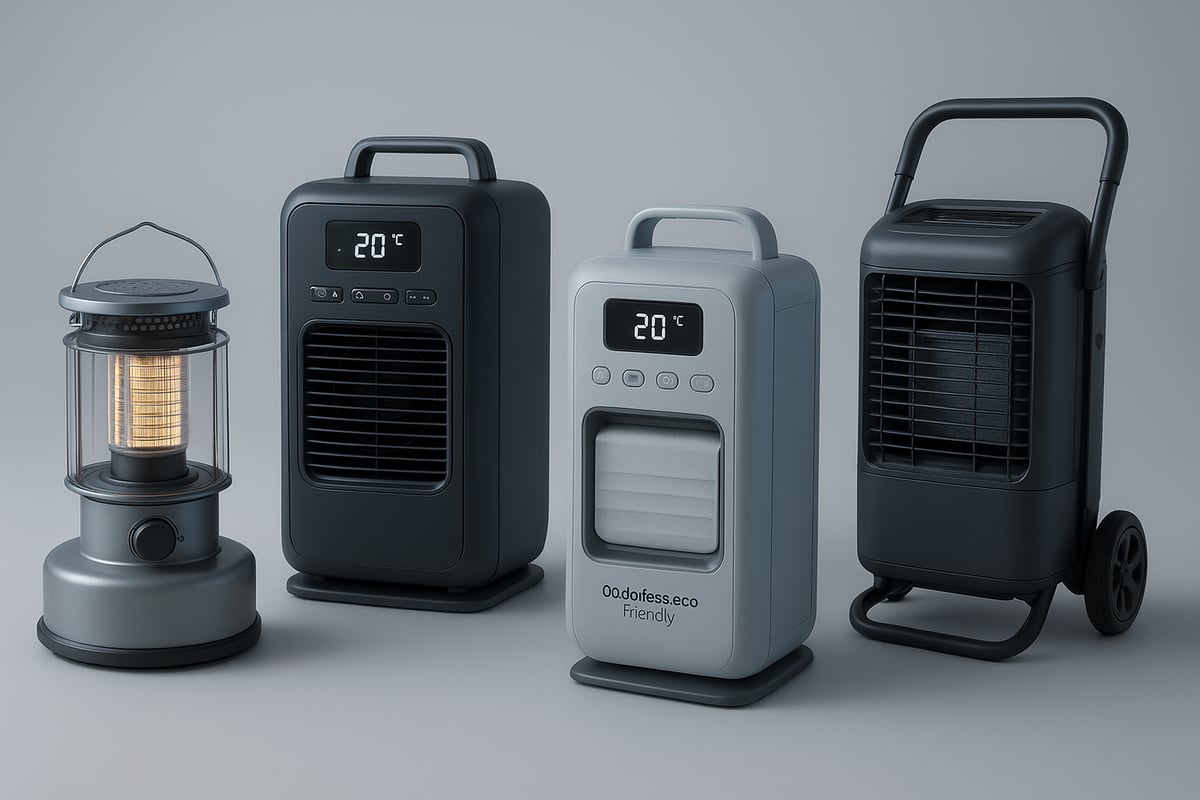
Paraffin heaters have evolved into a diverse product category, offering tailored solutions for homes, workspaces, and outdoor environments. Understanding the key types of paraffin heaters is essential for making an informed purchase in 2025. Each type brings unique features and benefits, ensuring there is an option for every heating requirement.
Wick Paraffin Heaters
Wick paraffin heaters are among the most popular and accessible options available today. These heaters use a cotton or fiberglass wick to draw fuel from the tank, which is then combusted to generate heat. Manual ignition is common, although some models offer automatic piezo ignition for added convenience.
Typical heat output ranges from 2 to 4.5 kW, making them suitable for small to medium rooms, sheds, or workshops. Fuel efficiency is a major advantage, with many wick paraffin heaters capable of running up to 18 hours on a single tank. Maintenance is straightforward, though periodic wick replacement is necessary for optimal performance.
Price points are generally affordable, delivering excellent value for money. For instance, the Qlima R8128S exemplifies the reliability and efficiency found in this category. For more on leading brands, see the Qlima Heater Brand Overview. With easy portability and minimal setup, wick paraffin heaters remain a trusted choice for versatile heating in 2025.
Laser (Fan-Assisted) Paraffin Heaters
Laser paraffin heaters, sometimes called fan-assisted models, utilize electronic ignition and advanced thermostatic controls. These heaters often feature digital displays, programmable timers, and precise temperature regulation. Heat output can reach up to 4.6 kW or more, making them ideal for larger rooms or continuous heating needs.
Enhanced safety features are standard, including child locks, tip-over protection, and flame failure devices. Fuel economy is improved through efficient combustion, resulting in lower emissions and reduced operating costs. The Qlima SRE9046 is a prime example, offering robust performance and user-friendly controls.
Laser paraffin heaters are particularly well-suited for households seeking consistent warmth with minimal manual intervention. Their combination of power, safety, and convenience has made them increasingly popular among modern consumers looking for efficient heating solutions.
Odourless and Eco-Friendly Paraffin Heaters
Odourless and eco-friendly paraffin heaters represent the latest innovations in home heating. These models are designed to minimize indoor air pollution and unpleasant smells, thanks to cleaner-burning fuels and advanced combustion technologies. Many use renewable content fuels, reducing overall CO2 emissions and supporting a healthier environment.
Health-conscious users appreciate improvements in indoor air quality, as well as compliance with strict EU and Irish indoor use standards. Products like the Qlima Spark Odourless Heater Fuel highlight these advances, offering low-odour operation and sustainability benefits.
For those prioritizing green living, odourless paraffin heaters deliver efficient heat without compromising air quality or regulatory compliance. This category continues to grow as consumers seek both performance and environmental responsibility in their paraffin heaters.
Specialty and Outdoor Paraffin Heaters
Specialty and outdoor paraffin heaters cater to unique environments such as patios, greenhouses, and garden sheds. These models are built with weather-resistant materials, ensuring durability in outdoor settings. Portability is a key feature, with many units equipped with handles or wheels for easy movement.
Such heaters are perfect for users needing flexible, off-grid heating for seasonal or occasional use. They provide targeted warmth in spaces where traditional heating may not be practical or cost-effective. The versatility of these paraffin heaters makes them a valuable addition to any outdoor living or workspace.
Choosing the Right Type for Your Needs
Selecting the right paraffin heater involves considering factors like room size, insulation, portability, and budget. Matching the heater's features to your intended use ensures maximum efficiency and satisfaction.
Below is a summary table comparing the main types of paraffin heaters:
| Type | Heat Output | Key Features | Ideal For |
|---|---|---|---|
| Wick | 2–4.5 kW | Manual/auto ignition | Small–medium rooms, sheds |
| Laser (fan-assisted) | Up to 4.6 kW+ | Digital control, safety | Large rooms, continuous use |
| Odourless/Eco-friendly | 2–4.5 kW | Low emissions, odourless | Health-conscious users |
| Outdoor/Specialty | 2–4.5 kW | Portable, weather-proof | Patios, greenhouses, sheds |
By understanding the different types of paraffin heaters, you can confidently choose the best model to suit your specific heating needs.
Key Considerations When Buying a Paraffin Heater in 2025
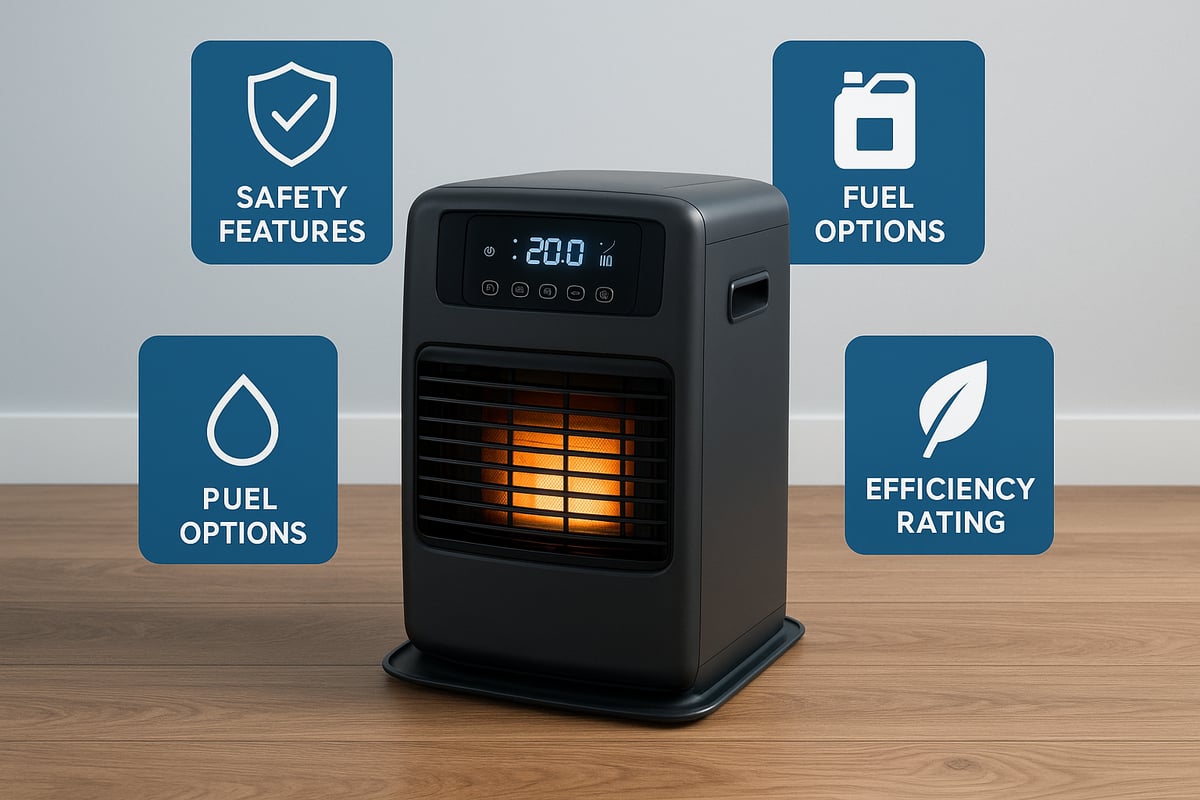
Choosing the right paraffin heaters in 2025 involves more than just picking a model off the shelf. To ensure safety, efficiency, and long-term satisfaction, you need a solid understanding of your requirements and the latest market developments.
Assessing Your Heating Needs
Before purchasing paraffin heaters, calculate the size of the space you want to heat. Measure the room's square footage and consider ceiling height to determine the required heat output, often expressed in kilowatts (kW) or BTUs.
Evaluate insulation quality and ventilation, as poorly insulated areas may need higher-capacity paraffin heaters. Decide if the unit will serve as your primary heat source or as supplementary heating for specific rooms or outbuildings.
Safety Features to Look For
Safety should be a top priority when selecting paraffin heaters. Look for automatic shut-off mechanisms, tip-over protection, and built-in oxygen depletion sensors.
Many reputable models include flame failure devices and child locks for enhanced peace of mind. Always check for compliance with Irish and EU safety standards. For further details, consult the Heater Safety Guidelines to ensure safe operation in all settings.
Fuel Type and Availability
Paraffin heaters operate on standard or odourless paraffin. Odourless options are increasingly popular for indoor use due to improved air quality and comfort.
Check local suppliers for availability and pricing; in Ireland, expect to pay around €55 for 20 liters of odourless fuel. Store fuel in a cool, ventilated area and follow best practices for handling and refilling paraffin heaters safely.
Energy Efficiency and Running Costs
Modern paraffin heaters are renowned for their energy efficiency. Typical consumption rates range from 0.2 to 0.4 liters per hour, making them a cost-effective alternative to electric or gas heaters.
Compare the running costs of paraffin heaters against other heating solutions by considering both fuel price and consumption. Over time, the lower operating expenses can lead to significant savings, especially for off-grid or supplementary heating needs.
| Heater Type | Avg. Running Cost | Efficiency |
|---|---|---|
| Paraffin Heaters | Low | High |
| Electric Heaters | Moderate | Moderate |
| Gas Heaters | Varies | Moderate-High |
Ease of Use and Maintenance
User-friendly controls are a hallmark of advanced paraffin heaters. Digital displays, thermostats, and programmable timers streamline daily operation.
Maintenance involves regular cleaning and, for wick models, occasional wick replacement. Ensure that replacement parts are readily available in your area. Routine upkeep extends the lifespan and maintains the efficiency of your paraffin heaters.
Brand Reputation and Warranty
Well-known brands such as Qlima, Toyotomi, and Zibro are trusted for their reliability and robust customer support. Look for models that provide at least a two-year warranty and easy access to service centers.
Reading online reviews can offer valuable insights into real-world performance and user satisfaction, helping you choose paraffin heaters that stand the test of time.
Step-by-Step Guide: Using and Maintaining Your Paraffin Heater
Preparing and caring for paraffin heaters ensures reliable warmth, efficiency, and safety in your space. This guide will walk you through setup, daily operation, essential safety measures, routine maintenance, and troubleshooting, so you can enjoy peak performance from your paraffin heaters year-round.
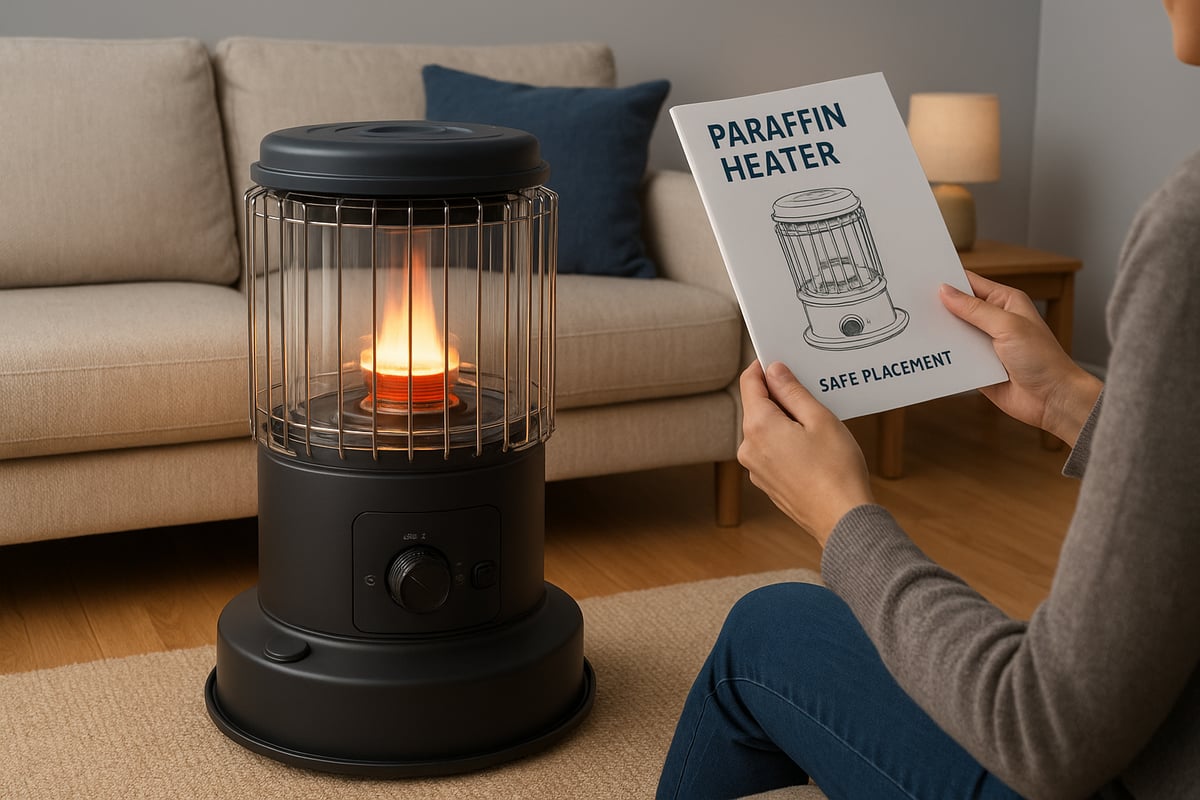
Setting Up Your Paraffin Heater Safely
Before using paraffin heaters, inspect the box and all components for shipping damage. Always read the manufacturer's instructions carefully.
Choose a flat, stable location with good ventilation and at least one meter clearance from furniture, curtains, and walls. Avoid placing paraffin heaters near doors or high-traffic areas.
Assemble the main parts, including the wick or burner, and fill the tank with high-quality paraffin fuel using a funnel to prevent spills. Wipe up any drips immediately, and ensure the fuel cap is secure.
Check all seals and components for tightness before lighting. Proper setup is the foundation for safe and efficient operation of paraffin heaters.
Operating Your Heater: Best Practices
Ignite paraffin heaters following the recommended procedure: manual models require lighting the wick, while electronic versions use a push-button or digital interface.
Adjust heat output using the control knob or thermostat to maintain comfortable temperatures. Some heaters offer programmable timers for added convenience.
Monitor fuel levels regularly. Refill only when the heater is cool, and never overfill the tank. Always use the correct grade of fuel specified by the manufacturer.
Consistent daily habits will help your paraffin heaters deliver steady, cost-effective warmth.
Essential Safety Precautions
Keep flammable materials, aerosols, and cleaning products well away from paraffin heaters. Install a carbon monoxide detector in any enclosed area where a heater operates.
Never leave paraffin heaters unattended, especially around children or pets. Engage child locks or safety guards if your model includes them.
For additional safety guidance, consult the Recommendations for Use of Portable Heaters in Commercial Premises, which details best practices for portable and paraffin heaters.
Regularly test all safety features, such as tip-over cutoffs and oxygen sensors, to ensure your paraffin heaters remain safe throughout the season.
Regular Maintenance Steps
Dust the exterior of paraffin heaters weekly to prevent buildup. Clean air filters as directed in the user manual, and check the wick for charring or unevenness.
Replace the wick according to the manufacturer's schedule—typically once per heating season or if performance drops. Use only compatible replacement parts.
Schedule annual servicing for a thorough inspection and cleaning, which prolongs the life of paraffin heaters and maintains peak efficiency.
Consistent maintenance keeps your paraffin heaters running smoothly and helps prevent unexpected breakdowns.
Troubleshooting Common Issues
If your paraffin heaters have trouble igniting, check for stale fuel or a worn wick. Uneven flames often indicate a dirty burner or wick that needs cleaning or replacement.
Strong odours or smoke may result from using low-quality fuel or poor ventilation. Ensure the heater is in a well-ventilated space and only use approved fuels.
If the heater produces insufficient heat, confirm all controls are working and the wick height is correct. Persistent problems may require professional servicing.
Timely troubleshooting ensures your paraffin heaters remain a dependable source of warmth in any setting.
Innovations and Trends in Paraffin Heaters for 2025
The world of paraffin heaters is evolving rapidly in 2025, with manufacturers introducing new features that make heating safer, smarter, and more sustainable. Modern paraffin heaters are no longer basic devices. They now offer advanced controls, improved fuel efficiency, and enhanced safety, responding to rising consumer expectations and stricter regulations.
Smart Controls and Digital Integration
Smart technology is transforming paraffin heaters into connected appliances. Many new models now feature Wi-Fi and Bluetooth connectivity, allowing users to control their heaters remotely through mobile apps. This means you can adjust the temperature, set timers, and monitor energy usage from your smartphone, even when away from home.
Programmable schedules help optimize heating times, reducing unnecessary fuel consumption and saving money. Digital displays provide clear information on room temperature, fuel levels, and maintenance alerts. These innovations not only make paraffin heaters more convenient but also enhance their energy efficiency.
For those seeking the latest in heating technology, you can explore a range of Eco-Friendly Heating Products that integrate smart controls and sustainable features.
Eco-Friendly and Low-Emission Technologies
Environmental concerns have driven significant changes in paraffin heaters. Manufacturers are now developing models that use bio-based, renewable fuel blends, which cut down on carbon emissions. Enhanced combustion systems ensure more complete fuel burning, resulting in fewer pollutants and improved indoor air quality.
Emission reduction technologies are becoming standard, with some heaters equipped with advanced filters or catalytic converters. Compliance with new EU environmental regulations, such as the Ecodesign requirements for local space heaters, is influencing heater design and fuel formulation. These steps make paraffin heaters a more responsible choice for eco-conscious consumers in 2025.
Enhanced Safety and User Experience
Safety is a top priority in the latest paraffin heaters. Modern units include real-time air quality sensors that monitor carbon monoxide and other gases, triggering automatic shut-off if levels become unsafe. Overheating protection and tip-over sensors provide additional peace of mind, especially in homes with children and pets.
Childproof features, such as locking controls and tamper-resistant designs, are now common. These improvements ensure that paraffin heaters can be used confidently in a variety of settings. User experience is further enhanced with quieter operation, ergonomic handles, and easy-to-read controls, making daily use simpler and safer.
Market Outlook and Consumer Preferences
The demand for portable and off-grid paraffin heaters is rising, driven by higher energy costs and a shift toward flexible heating solutions. Consumers are increasingly looking for multi-purpose models that can heat both indoor and outdoor spaces, as well as hybrid heaters that combine paraffin with electric or solar power.
Recent market surveys show strong growth rates for paraffin heaters, particularly among homeowners seeking reliable backup heating during power outages. As technology and fuel options improve, paraffin heaters are set to remain a popular choice for efficient, adaptable warmth in 2025.
Paraffin Heaters in Ireland: Local Insights and Recommendations
Paraffin heaters are experiencing renewed popularity across Ireland, thanks to their affordability and versatility. Whether you are looking to keep your home warm or need reliable heating for an outdoor project, understanding how paraffin heaters fit into the Irish context is essential.
Popular Uses in Irish Homes and Outdoor Spaces
In Ireland, paraffin heaters are commonly used to heat sheds, garages, conservatories, and greenhouses. Their portability and ability to function without electricity make them ideal during winter storms and power outages. Many Irish households rely on paraffin heaters for outdoor gatherings and patio events, as they offer quick, effective warmth.
For those seeking guidance on heating solutions for garden buildings, the Heating Sheds and Outdoor Spaces guide provides practical advice tailored to Irish climates. These heaters are especially valued in areas where extending central heating is impractical or too costly.
Fuel Supply and Pricing in Ireland
Securing fuel for paraffin heaters in Ireland is straightforward, with most hardware stores and fuel suppliers stocking both standard and odourless paraffin. On average, odourless paraffin fuel costs around €55 for a 20-litre drum, making it a cost-effective option for regular use.
Recent analyses, such as the Paraffin Wax Market Size and Trends Analysis, indicate stable supply chains and growing market demand. When storing paraffin, always keep containers in well-ventilated, cool areas away from open flames or direct sunlight.
Safety and Compliance with Irish Standards
Irish regulations require that paraffin heaters meet strict safety standards, including automatic shut-off features and oxygen depletion sensors. Always check that your chosen model is compliant with both Irish and EU directives. Insurance providers may have specific requirements regarding the use of paraffin heaters in homes or sheds, so it is wise to confirm coverage before purchase.
Community awareness campaigns regularly highlight the importance of using carbon monoxide detectors and ensuring adequate ventilation. Adhering to these guidelines protects both your family and property.
Comparing Paraffin Heaters to Other Irish Heating Options
When weighing paraffin heaters against electric, gas, wood, or pellet stoves, consider cost, efficiency, and environmental impact. Paraffin heaters offer lower upfront investment and are ideal for off-grid settings. Electric heaters are easy to use but can be expensive to run over time. Gas and wood stoves provide robust heat but require permanent installation.
| Heater Type | Upfront Cost | Running Cost | Portability | Off-Grid Use | Environmental Impact |
|---|---|---|---|---|---|
| Paraffin Heaters | Low | Low | High | Yes | Improved (modern) |
| Electric Heaters | Low | High | Medium | No | Low (if green grid) |
| Gas Stoves | Medium | Medium | Low | Yes | Moderate |
| Wood/Pellet Stoves | High | Low | Low | Yes | Variable |
For temporary, supplementary, or emergency heating, paraffin heaters remain a preferred choice in many Irish homes.
Expert Tips for Irish Buyers in 2025
Choose a paraffin heater that matches the size of your space and the level of insulation. Prioritize models with robust safety features and EU certification. To maintain efficiency, service your heater before each winter and store it in a dry place during warmer months.
Seek out trusted local retailers for both heaters and fuel, and consult user reviews for real-world feedback. With careful selection and regular maintenance, paraffin heaters can provide reliable warmth for years to come.
As you explore how paraffin heaters can bring efficient and reliable warmth to your home, shed, or workshop in 2025, it’s important to think about where you’ll get the most out of your new heating solution. If you’re planning to use a paraffin heater in a garden shed or outdoor storage space, making sure your building is sturdy and well insulated is key to maximizing heat retention and safety. At CoolaLiving.IE, we offer a range of dependable options designed for Irish weather, including the Free Delivery on your ECO Steel Garden Shed. Take the next step to a warmer, more organized space today.
Discover more from Coola Living Ireland
Subscribe to get the latest posts sent to your email.

