

Small gardens are more popular than ever, with homeowners and garden lovers seeking clever ways to store tools and equipment without sacrificing style or space. As outdoor areas become smaller, the need for a smart, organized small garden shed grows each year.
Many face the challenge of cluttered patios, overflowing storage, and limited room for outdoor essentials. A small garden shed offers a versatile and stylish answer for modern living, fitting seamlessly into urban or suburban environments.
This handbook will guide you through everything you need to know for 2026. You will discover shed types and materials, planning and regulations, installation steps, design ideas, maintenance tips, and future trends.
Understanding Small Garden Sheds: Types, Materials & Sizes
Choosing the right small garden shed begins with understanding the range of styles, materials, and sizes available in 2026. Homeowners now have more compact, efficient options than ever, catering to both functional needs and modern design sensibilities.
Popular Small Shed Types in 2026
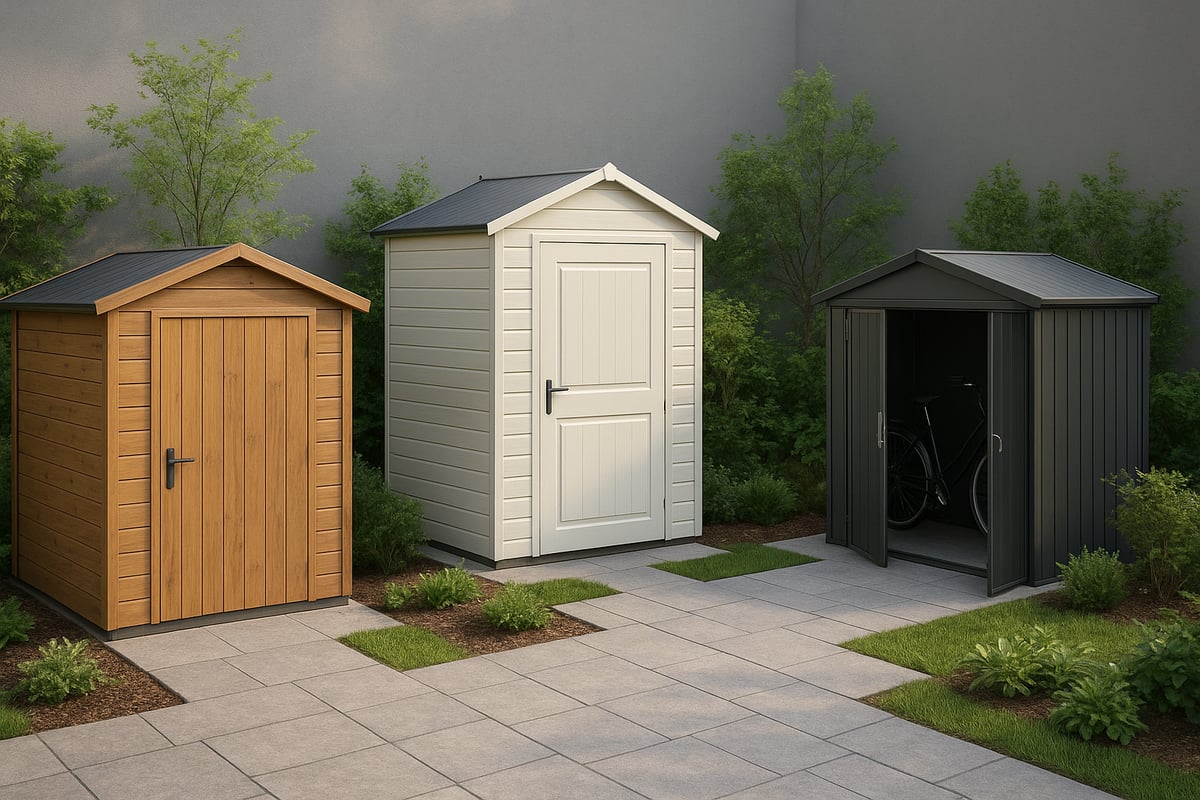
The small garden shed landscape in 2026 features both classic and contemporary designs. Traditional apex sheds remain popular for their pitched roofs, offering extra headroom and efficient rainwater runoff. Pent sheds, with their single sloped roof, fit snugly against fences or walls, maximizing limited space.
Lean-to sheds are ideal for urban patios, providing storage along a house wall without dominating the garden. Corner sheds make use of awkward spaces, while dedicated bike sheds offer secure, compact storage for cycles and outdoor gear. The market is shifting toward multi-functional sheds, with compact garden rooms serving as both storage and mini workspaces.
For example, a timber potting shed suits gardeners looking for light and warmth, whereas a steel bike store prioritizes security and durability. When choosing your small garden shed, consider not only the design but also how it will be used daily.
Materials: Pros, Cons & Innovations
Selecting the best material for your small garden shed is crucial for longevity and maintenance. Timber remains a favorite, valued for its natural look and insulation properties, but it does require periodic treatment to resist weathering. Steel sheds have advanced, now featuring galvanized or powder-coated finishes for improved rust resistance and security.
Vinyl and plastic sheds are increasingly popular due to their low-maintenance, weatherproof qualities, and broad color options. Hybrid sheds and those made from recycled plastics or FSC-certified timber reflect the growing demand for eco-friendly solutions. According to 2025 data, timber captures 38% of the market, steel 34%, and vinyl 28%.
For homeowners seeking a durable and stylish option, the 4×6 Evermore Vinyl Shed exemplifies the benefits of modern vinyl construction—minimal upkeep, resilience, and a compact footprint perfect for small gardens.
| Material | Pros | Cons | Market Share (2025) |
|---|---|---|---|
| Timber | Insulation, classic | Needs maintenance | 38% |
| Steel | Secure, durable | Can rust, less natural | 34% |
| Vinyl | Weatherproof, easy | Less traditional look | 28% |
Sizing Up: What Fits a Small Garden?
A small garden shed should fit seamlessly into your outdoor space while providing enough room for storage. Typical dimensions include 4×3 ft, 6×4 ft, and 8×6 ft. Before buying, measure your available area and consider the items you need to store.
For a townhouse yard, a 6×4 ft shed often accommodates garden tools, bikes, and seasonal décor. Urban patios may benefit from a lean-to shed measuring 4×3 ft, while compact suburban gardens can handle an 8×6 ft model for larger equipment. When planning, factor in the shed's height and door placement for easy access.
Accessibility is key—ensure there is enough clearance around the small garden shed for maintenance and that doors open fully. Example layouts might place the shed in a sunny corner or along a fence line to maximize garden usability. Matching shed size to your unique space ensures both functionality and a clutter-free garden.
Planning Your Small Garden Shed: Regulations, Placement & Preparation
Preparing to add a small garden shed to your property involves more than just choosing a style. Planning ahead ensures you avoid legal issues, make the best use of your space, and protect your investment for years to come.
Navigating Planning Permissions & Local Regulations
Before installing a small garden shed, it is essential to understand the planning permissions and local regulations that apply. In Ireland and the UK, most sheds that are under a certain size can be built without formal planning permission, provided they meet specific criteria related to height, area, and proximity to boundaries.
Permitted development rights usually allow a small garden shed up to 25 square meters in Ireland and 15 square meters in the UK, but local councils can have additional rules. For example, Dublin authorities may require more documentation for urban properties compared to rural county councils. Always check whether your intended shed location is within two meters of a boundary and whether the total height exceeds 2.5 meters.
Common mistakes include ignoring setback requirements, exceeding maximum sizes, or placing the shed in front of the main house. To avoid enforcement issues, consult your local authority or use a trusted resource like the Planning Permission Guide for Ireland for detailed advice.
Choosing the Ideal Location
Selecting the right spot for your small garden shed can make a significant difference in usability and longevity. Consider sunlight exposure, as sheds placed in damp, shaded areas are more prone to rot and mold. Good drainage is crucial, so avoid low-lying sites where water might collect.
Think about convenience: position your small garden shed near paths or the back door for easy access. Avoid blocking garden views or creating awkward corners. In a 10m² garden, placing the shed along a side fence can maximize open space for planting or entertaining.
Accessibility matters, too. Leave enough room to open doors fully and move equipment in and out. Factor in future garden plans, like expanding beds or adding a patio, to ensure the shed does not hinder other outdoor projects.
Site Preparation Essentials
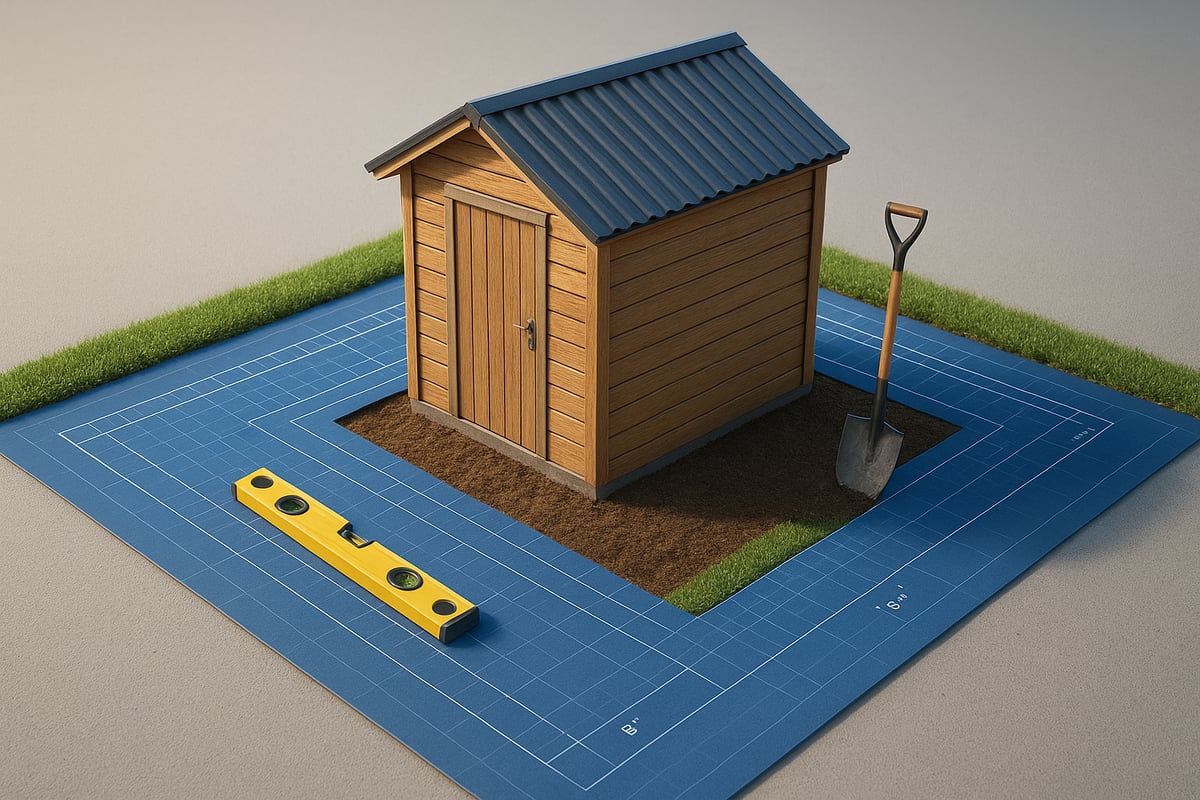
Proper site preparation is one of the most important steps for a long-lasting small garden shed. Start by clearing debris, roots, and rocks from the chosen area. Use a spirit level to ensure the ground is flat, which helps prevent structural issues.
Choosing the right shed base is critical. Options include:
- Concrete slabs for maximum stability
- Paving slabs for quick, affordable installation
- Timber frames for lightweight sheds
- Plastic grid systems for eco-friendly drainage
Drainage should always be a priority. Elevate the shed slightly above ground level to prevent water from pooling around the base. According to a 2025 survey, 60 percent of shed problems are due to poor base preparation, so invest time in this stage for peace of mind.
Budgeting & Timeline Expectations
Budgeting for a small garden shed involves more than just the cost of the structure itself. Prices in 2026 range from €500 for basic vinyl models to €1,200 for premium timber or steel options. Additional expenses include the base, delivery, installation, and accessories like shelving or security locks.
Here is a typical breakdown:
| Item | Estimated Cost (€) |
|---|---|
| Shed Structure | 500–1,200 |
| Shed Base | 100–300 |
| Delivery | 50–100 |
| Installation | 100–250 |
| Accessories | 50–150 |
Plan for a realistic timeline. From initial planning to final installation, expect the process to take two to four weeks, depending on weather and contractor availability. Setting aside a contingency fund can help cover unexpected costs, ensuring your small garden shed project stays on track.
Step-by-Step Shed Installation Guide
Installing a small garden shed can be a rewarding DIY project, providing you with extra storage and organization for your outdoor space. Careful preparation and attention to detail are essential for long-term durability and performance. This section walks you through each critical stage, from groundwork to final checks, so you can confidently complete your small garden shed installation in 2026.
Preparing for Installation
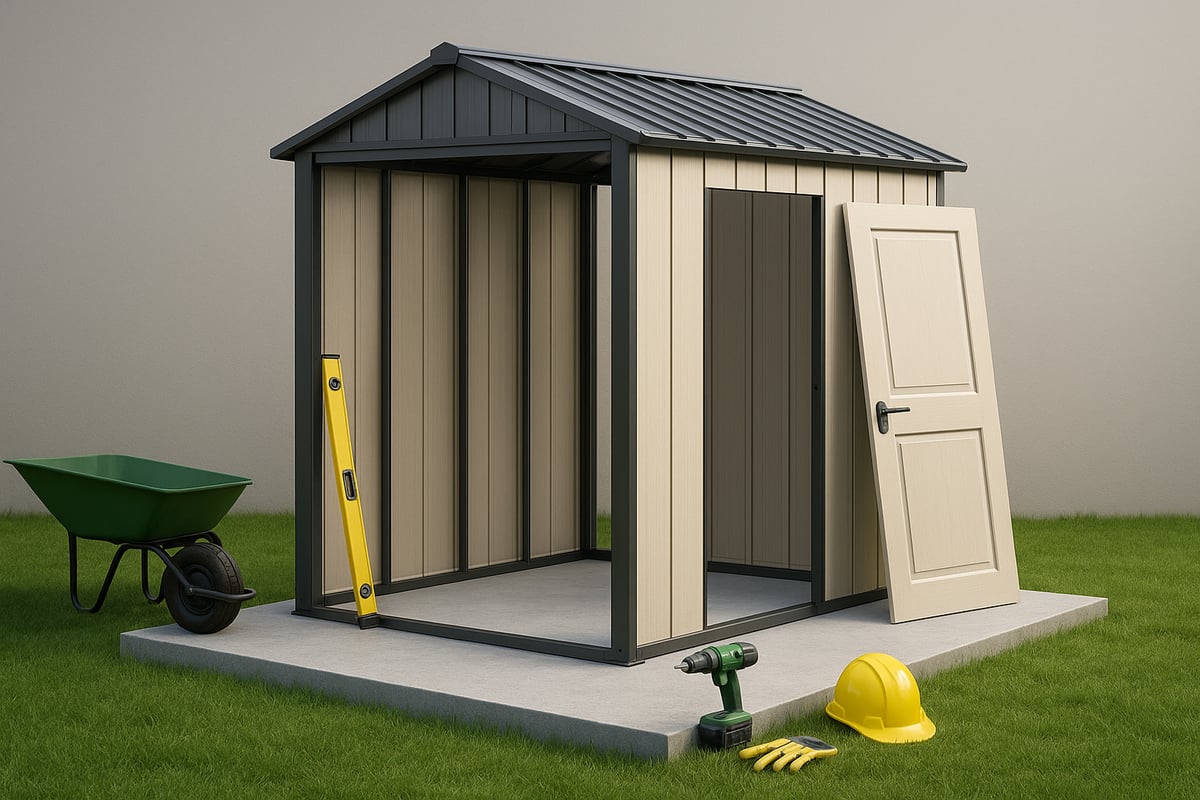
Before assembling your small garden shed, gather all necessary tools and protective gear. Common tools include a cordless drill, screwdriver, spirit level, measuring tape, hammer, and utility knife. Personal safety is a priority—wear gloves, protective eyewear, and sturdy footwear to minimize risk during the project.
Inventory all shed components and hardware upon delivery. Lay out panels, fasteners, and accessories, cross-checking each item against the manufacturer’s checklist. This ensures you are not missing any parts before starting.
Carefully read the assembly instructions provided by the shed manufacturer. Each small garden shed may have unique assembly requirements, so following the guide step by step will reduce errors and speed up installation. Take note of any specific warnings or tips included in the manual.
Finally, clear the installation area of debris, rocks, or obstacles. A tidy and hazard-free workspace will help you assemble your small garden shed more efficiently and safely.
Building the Shed Base
A solid foundation is vital for your small garden shed’s stability and longevity. Begin by marking out the shed’s footprint on the chosen site using string and pegs. Check that the ground is level using a spirit level. Level any uneven areas with a shovel or rake to avoid future issues with alignment.
Select the right base for your small garden shed. Common options include concrete slabs, paving stones, timber frames, or plastic grid systems. Each base type has unique benefits and installation steps; for a detailed comparison, see Choosing a Shed Base.
Lay the chosen base material, ensuring it extends slightly beyond the shed’s dimensions for added support. Compact the surface to prevent settling and promote drainage. If you are unsure about the process, consider hiring a professional to install the base, especially for concrete or complex ground conditions.
Good drainage is essential under every small garden shed. Incorporate a slight slope or drainage channels to prevent water pooling, which can cause rot or rust over time. Inspect the finished base for levelness and stability before proceeding to the next step.
Assembling the Shed Structure
Begin by positioning the wall panels according to the instructions. Typically, you will start with the back panel, then attach the sides and front. Secure each panel using the provided fixings, checking for plumb and square alignment at every stage. This ensures your small garden shed remains structurally sound.
Next, fit the roof panels. Depending on your shed’s design, this may involve slotting panels together or attaching rafters. Ensure all seams are tightly joined to prevent water ingress. Install any included roof felt or membrane for added weather protection.
Once the main structure is in place, install the door and any windows. Check that hinges, latches, and locks operate smoothly. For sheds with ventilation panels or mesh, install these as indicated to maintain airflow within your small garden shed.
Throughout assembly, periodically tighten all bolts and screws. This helps maintain the shed’s rigidity and prevents movement during storms or strong winds.
Weatherproofing & Security
Protecting your small garden shed from the elements is crucial for its lifespan. Begin by sealing any gaps around roof panels, windows, and doors with weatherproof silicone or appropriate sealant. For timber sheds, apply a wood preservative or exterior paint to guard against moisture and UV damage.
Install guttering along the roof edge to channel rainwater away from the shed’s base. This simple addition can significantly reduce the risk of water damage and prolong the structure’s life. For steel sheds, consider adding an anti-condensation roof lining to minimize moisture buildup inside.
Security is another important consideration. Fit high-quality locks, hasps, or security bars to doors and windows. Reinforce hinges with tamper-proof screws. If you store valuable equipment in your small garden shed, consider a shed alarm or a motion-activated light for extra peace of mind.
Regularly inspect weatherproofing measures and security features to ensure ongoing protection. Upgrading locks or resealing joints as needed will keep your small garden shed safe and dry year-round.
Final Checks & Troubleshooting
Once assembly is complete, conduct a thorough inspection of your small garden shed. Look for leaks around seams, loose fittings, or misaligned doors and windows. Address any issues immediately to prevent future damage.
Common installation problems include warped panels, uneven doors, or missing fasteners. Most can be resolved by realigning components or tightening fixings. Use the table below for quick troubleshooting tips:
| Issue | Likely Cause | Solution |
|---|---|---|
| Leaky roof | Poor seal, misaligned | Reseal seams, realign panels |
| Warped wall panels | Base not level | Adjust base, re-secure panel |
| Stiff doors | Misaligned hinges | Reposition and tighten |
| Loose fittings | Insufficient tightening | Use correct torque, retighten |
| Condensation inside | Poor ventilation | Add vents, install lining |
According to a 2025 customer survey, the majority of issues with a small garden shed stem from improper base preparation and rushed assembly. Taking time during each stage will help you avoid costly repairs and ensure your shed stands strong for years to come.
Designing & Organizing Your Small Shed for Maximum Utility
Maximizing every inch of a small garden shed is both an art and a science. With thoughtful planning and creative design, even the most compact sheds can become highly functional, organized, and comfortable spaces. Whether you use your small garden shed for tools, bikes, or as a multipurpose retreat, the right approach ensures it meets your needs while enhancing your outdoor lifestyle.

Smart Storage Solutions & Layouts
The foundation of an efficient small garden shed is smart storage. By utilizing vertical space, you free up valuable floor area for larger items. Install shelves and pegboards on walls to store hand tools, pots, and gardening essentials. Hanging racks are perfect for keeping hoses, ladders, or bikes off the ground.
Consider modular and foldaway furniture to adapt your small garden shed for different purposes, such as potting plants or storing seasonal gear. Stackable bins and labeled containers streamline organization, making it easy to find what you need quickly.
For those seeking tailored solutions, the Palladium Garden Shed Shelving Kit offers a customizable system designed to maximize storage in compact sheds. Clever layouts, such as placing a bike rack at the back and tool storage along one side, can transform a standard 6×4 ft shed into a versatile storage powerhouse.
Lighting, Ventilation & Comfort
A small garden shed should be bright and comfortable year round. Natural lighting options, including windows, skylights, or solar tubes, reduce reliance on electricity and create a pleasant workspace. For sheds without power, battery or solar-powered LED lights are ideal, providing efficient illumination with minimal installation.
Proper ventilation is crucial to control condensation and maintain air quality. Install louvre vents or mesh panels to encourage airflow, especially in timber or steel sheds. This helps prevent mold and protects your belongings from dampness. Consider insulating your small garden shed if you plan to spend extended periods inside, as this improves comfort in all seasons.
Adding a small bench or foldaway seat creates a functional area for potting or DIY projects. By balancing lighting, ventilation, and comfort, your small garden shed can be both practical and inviting.
Aesthetic Upgrades & Personalization
A small garden shed can be more than just a storage box; it can be a stylish extension of your home. Painting the exterior in colors that complement your house or garden instantly boosts curb appeal. For a contemporary look, add cladding or decorative panels to the shed's exterior.
Green roofs and planter boxes bring nature onto the structure itself, improving insulation and blending the shed into its surroundings. Integrate vertical gardens or living walls for a striking, eco-friendly feature. Inside, personalize your small garden shed with decorative hooks, artwork, or a chalkboard for notes and plans.
Consider how your shed fits within your overall garden design. Positioning planter boxes around the entrance or adding a path can make access easier and more attractive. Through thoughtful upgrades, your small garden shed becomes a unique focal point, reflecting your personal style.
Safety & Accessibility
Safety and accessibility are essential in any small garden shed, especially if you store tools or chemicals. Install non-slip flooring to prevent accidents, particularly in damp weather. Ramps and wide doors ensure easy movement of equipment such as lawnmowers or wheelbarrows.
Secure storage is vital for hazardous materials. Use lockable cabinets and childproof latches to keep chemicals and sharp tools out of reach. Good lighting and clear pathways reduce the risk of trips or falls, making your small garden shed safer for everyone.
Accessibility features are increasingly popular, with 40 percent of shed users prioritizing easy entry and use. Thoughtful design ensures your small garden shed remains functional and safe, supporting your gardening activities for years to come.
Maintenance, Upkeep & Longevity Tips
Regular care is the secret to a long-lasting small garden shed. By following a simple routine, you can protect your investment from weather, pests, and wear. Let’s break down the key steps to keep your shed in peak condition throughout the year.
Seasonal Maintenance Checklist
Staying on top of seasonal tasks helps prevent costly repairs. Here’s a breakdown of what your small garden shed needs each season:
| Season | Key Tasks |
|---|---|
| Spring | Inspect for leaks, clean gutters, treat timber |
| Summer | Check ventilation, repaint, control pests |
| Autumn | Clear debris, inspect roof and door seals |
| Winter | Prevent condensation, secure against storms |
Begin each season by walking around your small garden shed. Look for signs of damage, loose panels, or blocked gutters. If you spot any issues, address them promptly to avoid bigger problems later.
Prioritize ventilation checks in summer, and always treat exposed timber in spring before new growth attracts insects. These small steps will keep your shed weatherproof and organized.
Cleaning & Pest Prevention
A clean small garden shed is less likely to attract pests or develop mold. Choose cleaning products suitable for your shed’s material. For timber, use a mild soapy solution and a soft brush. Steel sheds benefit from non-abrasive cleaners to avoid scratching, while vinyl sheds only need an occasional wipe-down.
To prevent pests, keep floors clear of debris and seal gaps around doors and windows. Natural deterrents like peppermint oil for rodents or diatomaceous earth for insects are effective alternatives to chemicals.
If you notice musty smells or mildew, increase ventilation and use moisture absorbers. Regularly checking your small garden shed for droppings or gnaw marks helps catch infestations early and keeps your garden tools safe.
Repairing Common Issues
Even with diligent care, every small garden shed may need repairs over time. Leaks often start around the roof or window seams. Use exterior-grade sealant to fix small gaps. Warped panels can be gently straightened or replaced, especially in timber sheds.
Locks and hinges are vulnerable to rust and wear. Lubricate them annually and replace if they become difficult to operate. For steel sheds, like the 6×4 Eco Steel Shed, check for scratches or chips in the coating and touch up with rust-resistant paint.
When a repair feels complex, do not hesitate to consult a professional. Prompt attention to minor issues will extend the life of your small garden shed and keep it secure.
Extending Shed Lifespan
Long-term protection starts with the right treatments. Timber sheds benefit from annual staining or painting, which guards against rot and UV damage. For steel or vinyl, inspect joints and roofs for early signs of corrosion or cracking.
Upgrading hardware, such as adding weatherproof hinges or improved locks, can boost security and longevity. If your small garden shed is over a decade old, consider new cladding or replacing the roof felt to restore its appearance and function.
Stay informed about innovations, such as recycled materials or eco-friendly finishes, by checking resources like Top Trends in Garden Sheds Market. Investing in these upgrades ensures your small garden shed remains a practical and attractive feature for years to come.
Future Trends: Smart, Sustainable & Multi-Functional Sheds
The future of the small garden shed is bright, with rapid advancements transforming these modest structures into high-tech, eco-friendly, and multifunctional assets for any garden. As we look ahead to 2026, homeowners can expect a blend of innovation, sustainability, and versatility that redefines what a small garden shed can offer.
Smart Shed Technologies
Smart technology is rapidly becoming a staple in the modern small garden shed. Integrated smart locks provide enhanced security, while WiFi-enabled cameras allow for real-time monitoring from your smartphone. Many sheds now include solar-powered lighting systems, making them energy efficient and suitable for off-grid use.
IoT sensors are also gaining traction, allowing you to monitor internal temperature and humidity. This is especially valuable if you store sensitive tools, electronics, or plants. With these advances, the small garden shed evolves into a connected hub, ensuring your belongings are safe and your shed environment is always optimal.
Eco-Friendly Innovations
Sustainability is at the core of the next generation small garden shed. Manufacturers are increasingly using recycled plastics and sustainably sourced timber to reduce environmental impact. Green roofs, which support pollinators and improve insulation, are becoming popular add-ons for urban gardens.
Rainwater harvesting systems can be integrated into the shed design, providing a sustainable water source for your plants. End-of-life recycling options for sheds are also expanding, reflecting a full-circle approach to eco-friendly outdoor storage. These innovations make the small garden shed a responsible choice for environmentally conscious homeowners.
Multi-Functional Shed Designs
Flexibility and intentional design are shaping the multi-functional small garden shed of 2026. Modular sheds can be expanded or reconfigured to suit changing needs, whether as a home office, art studio, or relaxation nook. Urban gardeners are embracing the Botanical Bento Box Garden Design, which encourages compact, curated spaces, often pairing a small garden shed with vertical planters and foldaway furniture.
Award-winning European designs showcase sheds that blend seamlessly into the garden, offering both storage and lifestyle value. These trends ensure your small garden shed can adapt to your evolving lifestyle.
Market Outlook & Consumer Preferences
The market for the small garden shed is set for significant growth, with 2026 predictions highlighting increased demand for sheds that offer versatility, sustainability, and integrated technology. According to a 2025 survey, 70% of buyers now prioritize eco-friendly or smart features in their shed selection.
Industry leaders and garden designers agree that the small garden shed will continue to play a vital role in modern outdoor living. As consumer preferences shift, expect to see even more innovative designs that combine practicality with style.
As you consider the ideal small garden shed for your outdoor space, remember how the right materials and thoughtful planning can transform even the most compact garden into an organized, functional retreat. Whether you’re looking to maximize storage, simplify maintenance, or give your garden a modern upgrade, choosing a durable steel shed is a smart investment for the long term. If you’re ready to take the next step, you can enjoy Free Delivery on your ECO Steel Garden Shed and bring lasting value and style to your home.
Discover more from Coola Living Ireland
Subscribe to get the latest posts sent to your email.

