

Kayaking is booming across Ireland and Europe, with more people than ever exploring rivers, lakes, and coastlines. Yet, one major challenge remains: transporting your kayak safely and conveniently to every adventure.
This handbook is your trusted, up-to-date guide to kayak roof bars for 2026. Whether you are new to paddling or an experienced enthusiast, you will find clear answers to choosing, installing, and using kayak roof bars with total confidence.
Inside, you will discover the main types of roof bars, how to ensure compatibility, step-by-step installation, safety checks, essential maintenance, and the latest innovations shaping the future. Our expert advice will help you enjoy hassle-free trips and keep your gear secure every time you hit the road.
Let us guide you toward safer, smarter kayaking—your next adventure starts with the right kayak roof bars.
Understanding Kayak Roof Bars: Types and Features
Choosing the right kayak roof bars is crucial for anyone who loves paddling. These bars are designed to make kayak transport safer, easier, and more reliable. Understanding their types and features will help you select the best system for your vehicle and adventures.
What Are Kayak Roof Bars?
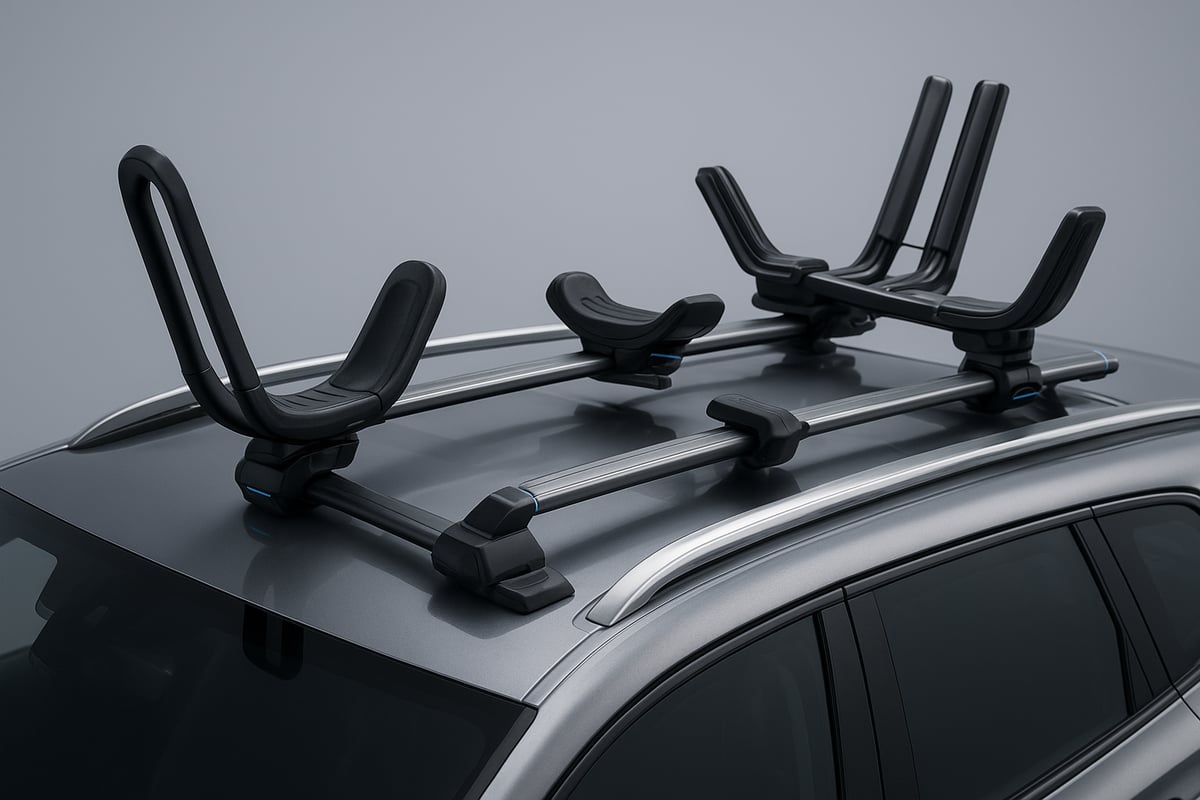
Kayak roof bars are specialized crossbars that attach to your vehicle’s roof, creating a sturdy base for transporting kayaks. Unlike standard roof racks, which can carry a range of cargo, kayak roof bars are engineered specifically for the weight, shape, and balance of kayaks.
These bars distribute the kayak’s weight evenly, preventing damage to your car and boat. Most setups include two parallel bars, spaced to support the kayak’s hull securely. Beginners may encounter terms like "crossbars," "mounting points," and "load ratings"—all essential when comparing systems.
For a deeper look into how roof bar systems work, check out the Car Roof Bars Guide. Understanding these basics will make selecting kayak roof bars much simpler.
Main Types of Kayak Roof Bars
There are four main types of kayak roof bars: fixed-point, raised rail, flush rail, and gutter-mounted. Each type offers unique benefits and challenges for kayak transport.
- Fixed-point systems attach to pre-set mounting spots on your vehicle. They provide a clean look and strong support but are only available on certain cars.
- Raised rail systems clamp onto factory rails running along the roof edge. They are popular for SUVs and make installation easy, accommodating various kayak roof bars.
- Flush rail systems are similar but sit almost level with the roof, giving a sleek profile. They require custom-fit bars and adapters.
- Gutter-mounted systems use the rain gutters on older vehicles. While sturdy, they are less common on modern cars.
Here’s a quick comparison:
| Type | Best For | Pros | Cons |
|---|---|---|---|
| Fixed-point | Sedans, estates | Clean, strong | Limited fit |
| Raised rail | SUVs, estates | Versatile, easy | Visible hardware |
| Flush rail | Modern hatchbacks | Sleek look | Custom fit needed |
| Gutter-mounted | Classic vehicles | Very strong | Outdated style |
In 2026, top brands like Thule, Rhino-Rack, and Yakima continue to innovate across all these types, offering enhanced compatibility and security. For example, SUVs often use raised rail systems, while sedans may rely on flush rails.
Choosing the right kayak roof bars depends on your vehicle’s design and your kayaking needs. Always compare compatibility charts before purchasing.
Key Features to Look For
When evaluating kayak roof bars, pay attention to several key features to ensure safety and performance.
- Weight capacity: Ensure the bars can handle your kayak’s weight. 2025/2026 data shows most models support 75–100 kg.
- Materials: Aluminum bars are lightweight and rust-resistant, steel is strong but heavier, and composites combine both benefits.
- Anti-corrosion and weatherproofing: Look for coatings or materials designed for Ireland’s wet climate.
- Integrated locking mechanisms: Security is vital, especially when leaving your kayak unattended.
- Aerodynamics: Modern bars feature streamlined shapes to reduce wind noise and drag. For example, tests comparing leading brands in 2026 show up to 30% less noise with aerodynamic designs.
Here’s a summary:
- Weight rating
- Material type
- Corrosion resistance
- Security features
- Noise and drag reduction
Choosing kayak roof bars with these features ensures a safer, quieter journey and longer-lasting equipment.
Benefits of Using Dedicated Kayak Roof Bars
Dedicated kayak roof bars offer several advantages over generic systems. First, they improve safety by holding kayaks securely, reducing movement during transit. This lowers the risk of accidents and damage to both your boat and vehicle.
Loading and unloading become much easier, especially with accessories designed for kayaks. Insurance companies often require approved roof bar systems for coverage, and using the right bars helps you comply with Irish and EU road laws.
Recent customer reviews highlight a noticeable drop in kayak transport accidents when using dedicated kayak roof bars. This investment brings peace of mind and hassle-free adventures every time you travel.
Compatibility: Matching Roof Bars to Your Vehicle and Kayak
Selecting the right kayak roof bars begins with understanding how your vehicle and kayak work together. Compatibility is crucial for safety, ease of use, and compliance with Irish and EU laws. In this section, you will learn how to assess your car’s roof, size your kayak, choose between universal or custom-fit systems, select helpful accessories, and stay within legal limits.
Assessing Your Vehicle’s Roof
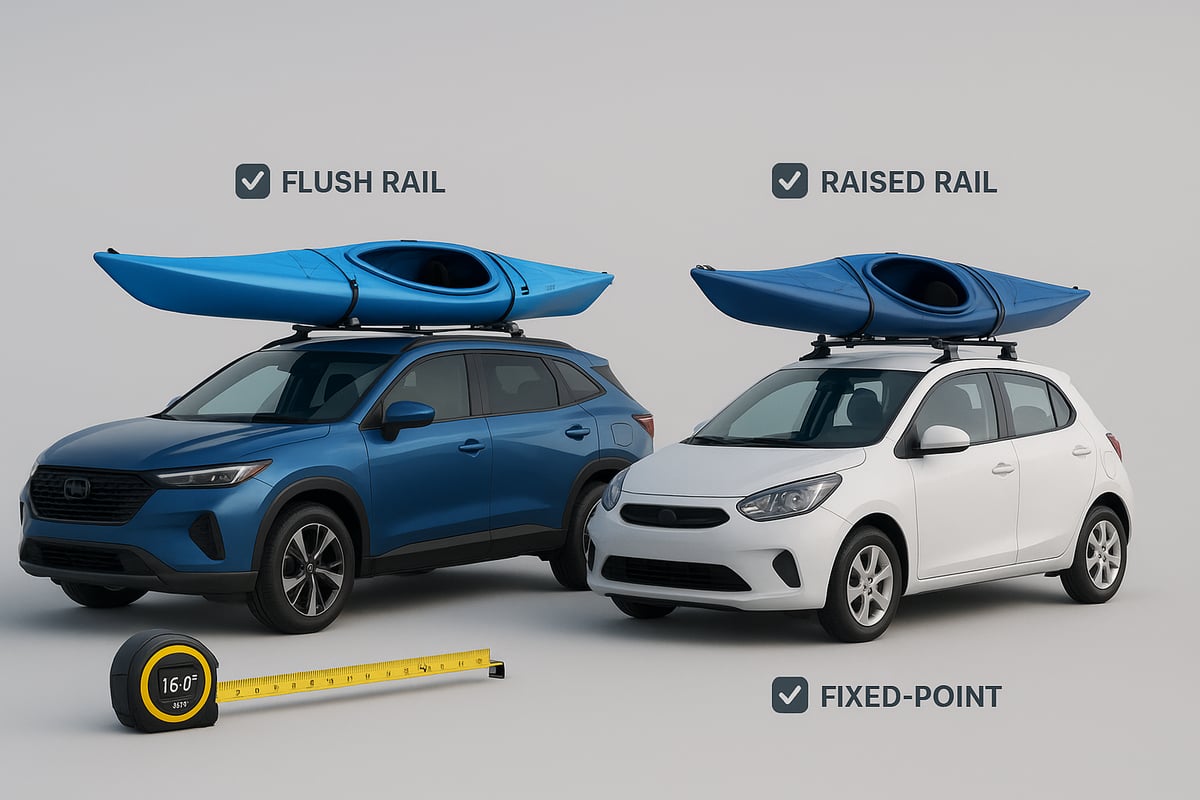
Begin by identifying if your vehicle has roof rails, factory mounting points, or a bare roof. This will determine which kayak roof bars are suitable. Check your owner’s manual for roof load limits and mounting guidelines. Some vehicles, like the Ford Kuga or Volkswagen Tiguan, are especially kayak-friendly due to strong rails and easy bar installation.
Refer to Roof Rack Options for Cars for a detailed comparison of roof types and their compatibility with kayak roof bars. Always follow manufacturer recommendations to avoid exceeding weight limits.
Sizing and Fitment for Kayaks
Accurate kayak measurements are essential. Use a tape measure to record the length, width, and weight of your kayak. Compare these figures with the specifications of your selected kayak roof bars. Most bars list their maximum load and span, so ensure your kayak fits safely within these parameters.
Common mistakes include underestimating kayak weight or choosing bars that are too short. Double-check all dimensions and review fitment charts provided by roof bar manufacturers before making a purchase.
Universal vs. Custom-Fit Roof Bars
Universal kayak roof bars are designed to fit a wide range of vehicles, while custom-fit bars are tailored for specific makes and models. Universal options can be cost-effective, but may require extra adjustments or adapters. Custom-fit bars often offer a sleeker look and more secure fit.
A recent case study showed that 90% of users with custom-fit systems reported easier installation and fewer issues compared to universal setups. However, universal kayak roof bars can still be a reliable choice if compatibility is confirmed.
Adapters and Accessories for Kayak Transport
Adapters and accessories such as cradles, J-racks, saddles, and stackers make transporting kayaks safer and more convenient. Cradles and saddles offer full support, while J-racks allow vertical loading to save space. Stackers are ideal for carrying multiple kayaks at once.
Use adapters when the base kayak roof bars do not directly support your chosen carrier. Always verify that your accessories are approved for the specific roof bar model you own.
Legal and Safety Compliance in Ireland & EU
Irish and EU regulations set strict limits for roof loads and overhangs. Kayak roof bars must be properly secured, with loads tied down using approved straps and tie-downs. Failing to comply can result in fines or penalty points.
Recent updates for 2025/2026 include clearer guidelines on load distribution and mandatory safety checks before journeys. Always check the latest laws to ensure your kayak roof bars meet all legal requirements before hitting the road.
Step-by-Step: How to Install Kayak Roof Bars Safely
Installing kayak roof bars correctly is essential for safe and efficient kayak transport. Whether you are new to kayak roof bars or upgrading to a modern system, following a clear step-by-step process ensures secure installation and peace of mind. Let us walk through each stage, from preparation to loading, so you can head out on your next adventure with confidence.
Preparation: Tools and Workspace
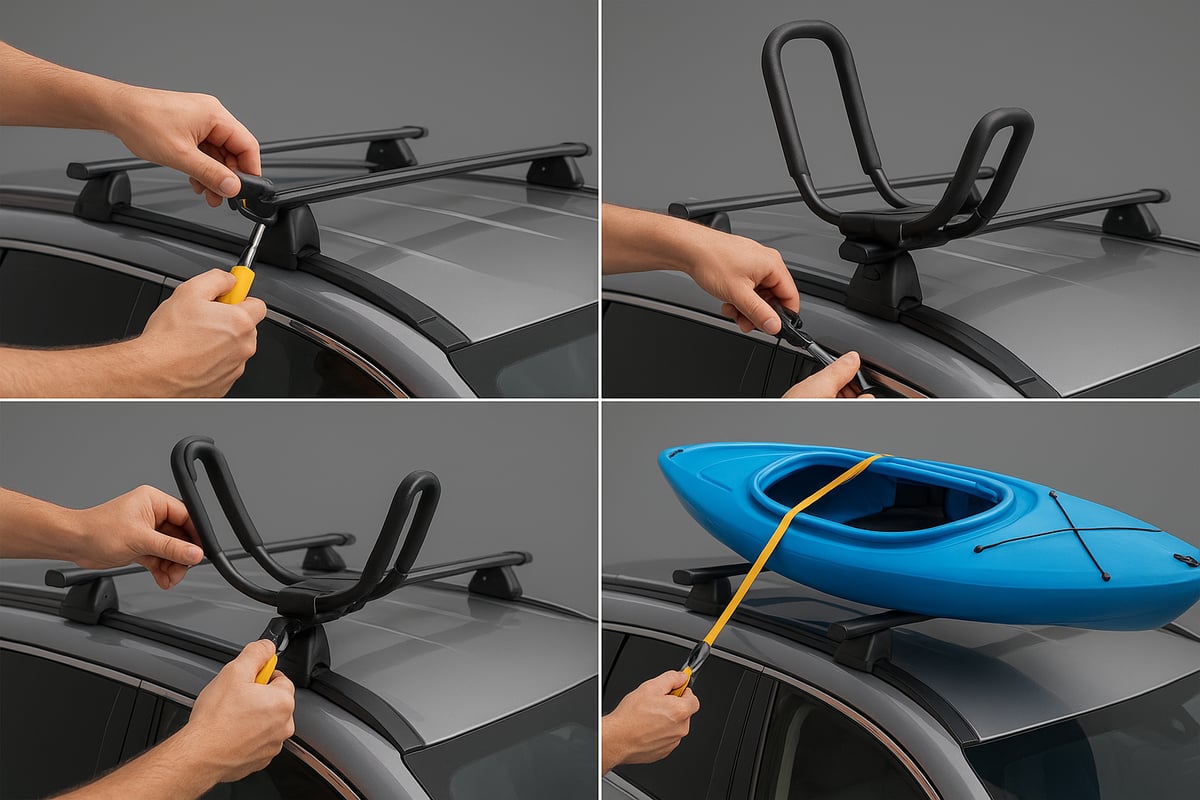
Before installing kayak roof bars, gather all necessary tools and prepare your workspace. A clear, flat surface near your vehicle is ideal for setup. Essential tools include a torque wrench, measuring tape, screwdriver set, and a clean cloth.
Lay out all components from your kayak roof bars kit to ensure nothing is missing. Review the instruction manual, paying attention to any vehicle-specific tips. Wear gloves to protect your hands, and keep children and pets away from the work area for safety. Proper preparation prevents delays and helps you avoid common mistakes when fitting kayak roof bars.
Step 1: Identifying Mounting Points
Begin by inspecting your vehicle roof to locate factory mounting points, roof rails, or attachment locations. These points are designed for safe, secure installation of kayak roof bars.
Clean the mounting surfaces thoroughly to remove dust, debris, or moisture. This step ensures a tight fit and protects your car’s paintwork. For newer vehicles, check for hidden mounting covers or clips. Refer to your vehicle manual to confirm load ratings and mounting guidelines. Taking the time to identify and prepare these points is crucial for stable kayak roof bars installation.
Step 2: Assembling the Roof Bars
Unbox your kayak roof bars and check for all required parts, such as crossbars, feet, bolts, and end caps. Lay out the components in order of assembly.
Follow the manufacturer’s instructions closely, using the recommended torque settings to avoid over-tightening. Align the bars and brackets precisely, ensuring no parts are left loose or misaligned. Double-check each connection as you go. Avoid common mistakes such as skipping washers or mixing up left and right brackets. Proper assembly is the foundation of reliable kayak roof bars.
Step 3: Securing Roof Bars to the Vehicle
With the bars assembled, position them on the identified mounting points. Attach the brackets or feet as specified, using the correct bolts and hardware for your vehicle type.
Ensure the kayak roof bars are spaced evenly and aligned parallel to each other. Use a torque wrench to tighten all bolts to the manufacturer’s recommended settings. After securing the bars, gently shake them to check for any movement. Re-tighten if needed. Stable and secure kayak roof bars are critical for safe transport, so never rush this step.
Step 4: Installing Kayak-Specific Attachments
Next, fit kayak-specific attachments such as cradles, J-racks, or saddles onto your installed kayak roof bars. Slide or clip these accessories into place, then tighten according to the instructions.
Adjust the attachments to match your kayak’s size and hull shape. This custom fit minimizes movement during transit and prevents scratches or dents. Always use manufacturer-approved accessories for compatibility and safety. Taking the time to set up your kayak roof bars with the right attachments ensures a secure ride for your watercraft.
Step 5: Loading and Securing the Kayak
Carefully lift your kayak onto the roof bars, using proper lifting techniques to avoid injury. For solo loading, use load-assist devices if available. Center the kayak on the bars for balanced weight distribution.
Secure the kayak using strong straps, threading them over the hull and under the bars. Tighten the straps until snug, but not overly tight to prevent hull damage. Always use bow and stern tie-downs for added safety. For additional tips and common mistakes to avoid, consult the Top 10 Do’s and Don’ts for Kayak Roof Racks. Before driving, double-check all connections and do a final walkaround to ensure your kayak roof bars and kayak are secure.
Maintenance, Safety Checks, and Troubleshooting
Keeping your kayak roof bars in top condition is crucial for safe, reliable transport. Regular care, careful inspections, and prompt troubleshooting can extend the life of your investment and keep every journey worry-free. Let us guide you through the essential steps to protect your kayak roof bars year-round.
Routine Maintenance for Roof Bars
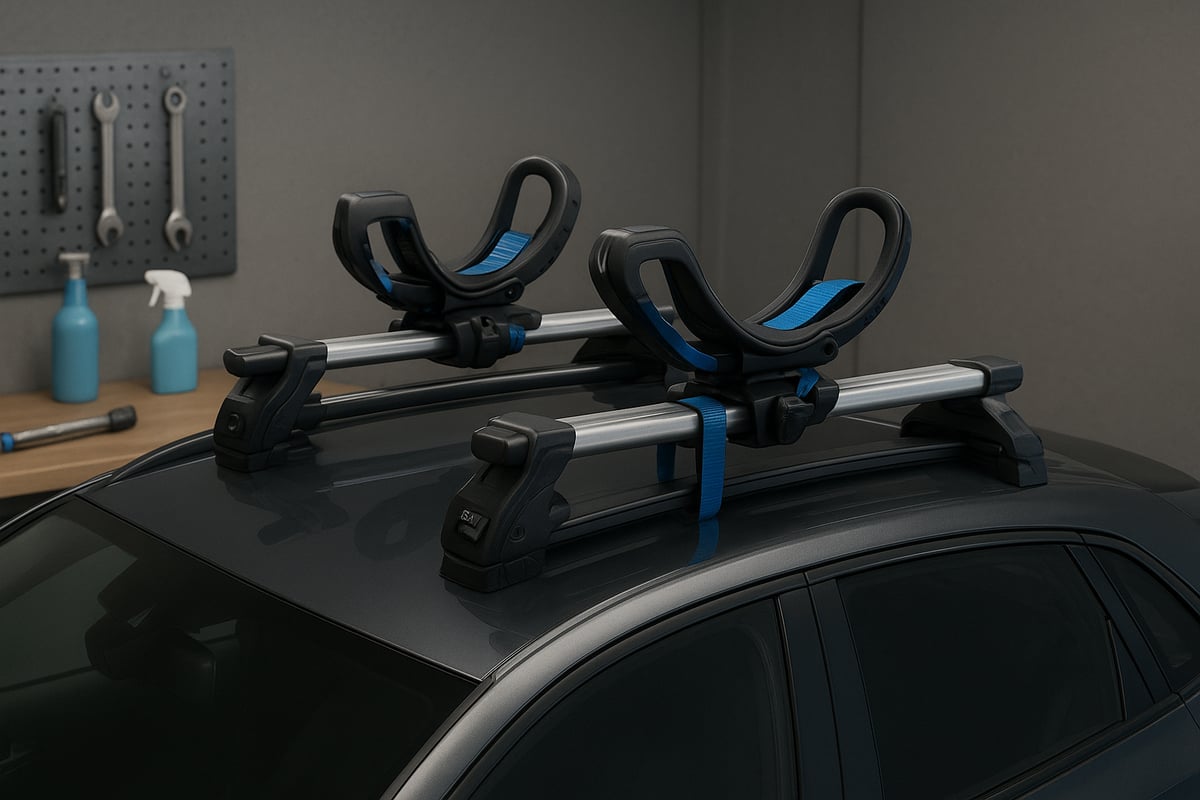
Routine maintenance is the backbone of reliable kayak roof bars. Start by washing the bars with mild soap and water after every trip, especially when exposed to salt or grit. Inspect for rust, corrosion, or damage on all surfaces and joints, paying close attention to mounting hardware and locks.
Lubricate moving parts and locking mechanisms with a silicone-based spray to prevent seizing. For Irish weather, check seals and rubber gaskets for signs of wear or cracking. Replace any worn components promptly to ensure your kayak roof bars remain dependable throughout all seasons.
Safety Checks Before Every Trip
Before heading out, always perform a thorough safety check on your kayak roof bars. Ensure all bolts and fasteners are tight, and check that the bars are aligned and securely attached to your vehicle’s roof. Inspect straps and tie-downs for fraying, cuts, or UV damage.
Use a checklist:
- Confirm kayak roof bars are properly seated
- Verify straps are undamaged and secure
- Test locking mechanisms
For best practices on securing your kayak, consult these Tie Down Tips for Canoe & Kayak Transport. Consistent safety checks reduce the risk of accidents and keep your kayak roof bars functioning perfectly.
Troubleshooting Common Issues
Even the best kayak roof bars may develop issues over time. If you notice movement or rattling, recheck torque settings and ensure all clamps are tightened to manufacturer specifications. Persistent noise can indicate misalignment or loose accessories.
For lost or damaged components, consult your roof bar’s manual for replacement part numbers. Address wind noise by ensuring all attachments are flush and using aerodynamic covers if available. Prompt troubleshooting prevents minor annoyances from becoming major problems with your kayak roof bars.
Preventing and Repairing Damage
Protecting your vehicle and kayak from scratches starts with careful installation and soft padding at contact points. Always lift kayaks on and off gently to avoid dings or chips on both the kayak and the kayak roof bars.
For minor scrapes or chips, touch up the affected area with rust-resistant paint. Replace any part of your kayak roof bars that is bent or cracked, as structural integrity is vital for safety. If in doubt, consult a professional for repairs or consider a full replacement for peace of mind.
Storage Solutions for Off-Season
Proper storage of your kayak roof bars during the off-season prolongs their lifespan. Remove the bars from your vehicle, clean thoroughly, and dry before storing. Indoor storage is ideal, using wall-mounted racks or padded hooks to prevent warping.
If outdoor storage is necessary, cover your kayak roof bars with a weatherproof bag and keep them off the ground. Organize accessories like straps and cradles in labeled bins or storage cases. Well-planned storage keeps your kayak roof bars ready for your next adventure.
Innovations and Trends in Kayak Roof Bars for 2026
Staying ahead in 2026 means understanding how kayak roof bars are evolving. Manufacturers are racing to meet the demands of modern adventurers, introducing smarter, safer, and greener solutions. Let us explore the cutting-edge trends shaping the next generation of kayak roof bars.
Emerging Materials and Technology
The latest kayak roof bars are harnessing advanced materials to boost strength and reduce weight. In 2026, expect to see more bars crafted from high-grade composites and recycled aluminum. These materials provide exceptional durability while keeping your load light.
Smart technology is also transforming kayak roof bars. Integrated sensors monitor load distribution and secure fit, sending real-time alerts to your phone if anything shifts. Some models now feature theft-detection systems, giving you peace of mind during stops.
Manufacturers are prioritizing corrosion resistance, using advanced coatings and seals. This ensures kayak roof bars last longer in the Irish climate, where rain and salt can take a toll. The result is safer, smarter transport for every journey.
Aerodynamics and Fuel Efficiency
Aerodynamics are now at the forefront of kayak roof bars innovation. Designers are shaping bars to cut through the wind, reducing drag and minimizing noise. This not only makes your drive quieter but also improves fuel economy.
Recent data shows that streamlined kayak roof bars can lower fuel consumption by up to 8 percent compared to older, boxy designs. For regular kayakers, these savings add up over time, making travel more affordable.
Wind tunnel testing and computer modeling are standard in 2026, ensuring every curve is optimized. By choosing aerodynamic kayak roof bars, drivers benefit from both performance and cost-efficiency on every trip.
Modular and Multi-Sport Solutions
Versatility is a key demand in 2026, and modular kayak roof bars are meeting this need. Today’s top systems can be quickly adjusted to carry bikes, skis, or paddleboards alongside your kayak. Quick-release mechanisms allow for fast swaps between activities.
Products like Flush and Raised Rail Roof Bars exemplify this trend, supporting multiple rail types and gear attachments for all-season use. Modular designs mean you invest once and adapt as your adventures change.
This flexibility is especially popular in Ireland, where outdoor pursuits vary by season. Kayak roof bars that support multi-sport use offer lasting value and convenience for active families and enthusiasts.
Sustainability and Eco-Conscious Choices
Sustainability is shaping the future of kayak roof bars. Manufacturers are using recycled materials and reducing waste throughout production. Eco-friendly composites and responsibly sourced metals are now standard in premium models.
Look for products with third-party certifications, such as EU Ecolabel or ISO 14001, indicating a commitment to environmental responsibility. Consumer demand for sustainable gear is driving innovation, with more brands showcasing their green credentials.
By choosing eco-conscious kayak roof bars, you support cleaner manufacturing and help protect the waterways you love to explore. The shift toward sustainability is set to accelerate as more adventurers seek responsible outdoor solutions.
Top Accessories and Add-Ons for Kayak Roof Bars
Choosing the right accessories for your kayak roof bars elevates every journey. The correct add-ons not only boost safety but also simplify the loading process and protect your gear. Here is a detailed look at the top accessories and how they can enhance your kayak roof bars experience.
Essential Tie-Downs and Straps
Securing your kayak is crucial for road safety. High-quality tie-downs and straps are must-have accessories for all kayak roof bars setups. The main types include cam buckle straps, ratchet straps, and locking straps, each offering unique benefits.
| Strap Type | Pros | Best Use |
|---|---|---|
| Cam Buckle | Quick release, gentle on hull | Standard trips |
| Ratchet | High tension, heavy-duty | Long journeys |
| Locking | Added security, theft deterrent | Overnight parking |
When choosing straps for kayak roof bars, consider length and material—nylon is durable and weather-resistant. Recent statistics reveal that strap failure is a leading cause of kayak transport incidents. For detailed installation guidance, refer to the Rhino-Rack S510 Fixed J Style Kayak Carrier Instructions.
Load Assist Devices and Rollers
Loading a kayak onto your vehicle alone can be challenging, especially with heavier models. Load assist devices and rollers are designed to make this process smoother and safer, reducing strain and risk.
Load assist systems for kayak roof bars fall into two main categories: roller-based and lift-assist mechanisms. Rollers mount at the rear or side, allowing you to slide the kayak up, while lift-assist devices use spring or gas struts to bear some weight. Many paddlers report that using rollers with kayak roof bars reduces loading time by up to 50 percent. For a practical demonstration, see this How to Assemble a J Bar Kayak Roof Rack video, which includes tips on integrating assist devices.
Weather Protection and Covers
Protecting your kayak from the elements is vital, especially in unpredictable Irish weather. Weatherproof covers designed for kayak roof bars shield your kayak from rain, UV rays, and road debris during transport and storage.
Look for covers made from waterproof and UV-resistant materials to extend your kayak’s lifespan. Some covers are tailored for specific kayak roof bars setups, ensuring a snug fit and minimal wind drag. Using a cover on your kayak roof bars also means less time spent cleaning your kayak after each trip.
Storage and Organization Accessories
Efficient storage solutions keep your kayak roof bars and accessories organized when not in use. Storage bags and cases are ideal for transporting straps, pads, and small tools, preventing loss and damage.
For off-vehicle storage, wall-mounted racks specifically designed for kayak roof bars offer a practical solution. These racks save space and help maintain the condition of your gear. On-vehicle storage boxes can also be attached to kayak roof bars for trips requiring extra equipment. Keeping your accessories organized ensures smoother, stress-free adventures every time.
As you’ve seen throughout this guide, choosing the right kayak roof bars is key for safe, stress free adventures—just as having dependable storage at home helps keep your gear organized and ready for action. If you’re looking to upgrade your setup, why not explore options that make both your outdoor journeys and home life easier? We’re here to support your passion for the outdoors, from your driveway to the water. For example, you can keep your space tidy and your equipment protected with Free Delivery on your ECO Steel Garden Shed—making storage as effortless as your next kayaking trip.
Discover more from Coola Living Ireland
Subscribe to get the latest posts sent to your email.

