

Kayaking continues to surge in popularity across Europe, with more enthusiasts planning adventurous trips in 2026. As this trend grows, the importance of safe and reliable kayak roof mount solutions has never been greater.
Improperly securing your kayak can lead to costly damage to both your vehicle and your kayak. It can also cause unnecessary stress before your journey even begins.
By mastering the kayak roof mount process, you protect your equipment, safeguard your car, and ensure every trip starts and ends smoothly. A secure setup means less worry and more time enjoying the water.
This comprehensive guide will walk you through every aspect of using a kayak roof mount in 2026. Expect step-by-step instructions, expert tips, and the latest recommendations to make transport safe and easy.
We will cover the types of roof mounts, how to choose the right system, installation, safety checks, legal requirements, and maintenance, so you’re prepared for every adventure.
Understanding Kayak Roof Mount Systems
Transporting your kayak safely starts with understanding the right kayak roof mount system. Selecting a compatible setup protects your gear, improves travel efficiency, and ensures compliance with evolving 2026 standards. Let’s break down the core components and innovations shaping kayak transport this year.

Types of Kayak Roof Mounts
There are several main types of kayak roof mount systems, each serving different needs:
- J-cradles: Angled holders that support the kayak on its side. Ideal for solo kayaks and compact cars.
- Saddle mounts: Cradle the kayak hull upright, providing full support and stability.
- Stackers: Vertical posts allowing multiple kayaks to be transported side by side. Perfect for families or group outings.
- Foam pads: Basic, universal pads placed directly on the roof or crossbars for short trips or lightweight kayaks.
J-cradles are popular for single kayaks, while stackers have seen an 18% rise in use since 2024, especially for families (Outdoor Retailer Report). Compatibility depends on your vehicle’s roof rack system. For an in-depth look at foundational rack systems, visit Roof Rack Options for Cars.
How Roof Mounts Work
A kayak roof mount secures the kayak to your vehicle’s roof using straps and attachment points. Proper weight distribution is critical—positioning the kayak centrally prevents uneven load and reduces sway. The mount’s alignment affects vehicle aerodynamics, with improper positioning potentially reducing fuel efficiency by up to 10% (AAA study).
Always check that your kayak roof mount fits snugly and aligns with your vehicle’s roof rack. A correct fit not only improves safety but also keeps your transport cost-effective over time.
Key Features to Look For in 2026
Modern kayak roof mount systems in 2026 offer advanced features for security and ease of use:
- Enhanced security locks to deter theft.
- Lightweight, corrosion-resistant materials such as aluminum or composite plastics.
- Tool-free installation and quick-release mechanisms for faster setup.
- Compatibility with electric and hybrid vehicles, accommodating new roof shapes.
- Smart mounts with built-in sensors to monitor strap tension—one of the top trends this year.
Choosing a kayak roof mount with these features ensures your investment remains future-proof and user-friendly.
Popular Brands and Innovations
The kayak roof mount market is led by trusted brands:
| Brand | 2025 EU Market Share | Notable 2026 Innovation |
|---|---|---|
| Thule | 32% | Modular, foldable J-cradles |
| Yakima | 28% | Fold-flat J-cradle for urban storage |
| Menabo | 15% | Eco-friendly, lightweight stackers |
| Rhino-Rack | 10% | Quick-release clamps for fast removal |
Yakima’s 2026 fold-flat J-cradle exemplifies the push toward compact, urban-friendly solutions. Thule remains a market leader with user-focused, modular designs. Staying updated on these innovations ensures you choose a kayak roof mount that matches your lifestyle and transport needs.
Choosing the Right Kayak Roof Mount for Your Vehicle
Selecting the ideal kayak roof mount involves more than just picking a product off the shelf. Careful consideration of your vehicle, kayak, and intended use ensures a secure fit and safe transport. Let us break down the essential steps for choosing the right system for your adventures in 2026.
Assessing Your Vehicle and Kayak
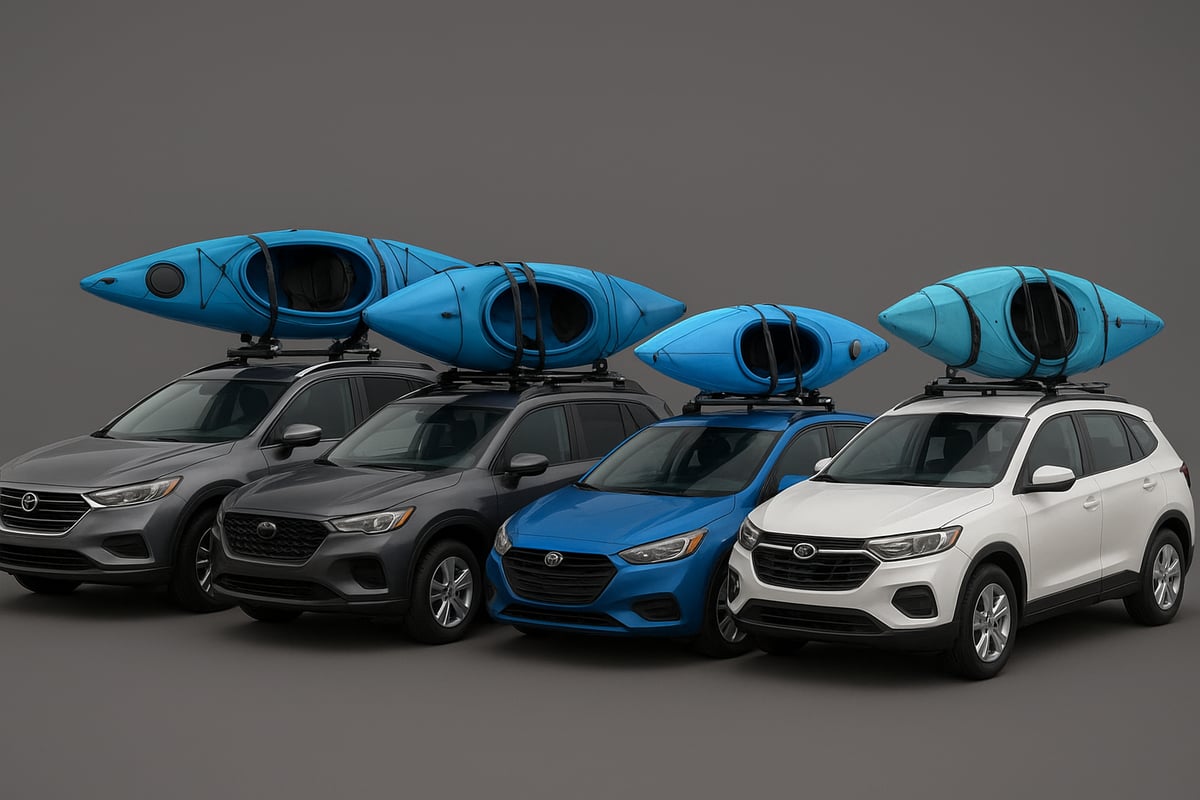
Begin by measuring your car’s roof and considering its rail type, such as raised, flush, or bare. Verify the maximum weight your vehicle’s roof can support, as exceeding this limit can cause damage. Evaluate your kayak’s length and weight, since these factors determine which kayak roof mount will be most suitable.
For example, a compact hatchback might require a low-profile or foam pad kayak roof mount, while an SUV could accommodate larger, more robust systems. Matching the kayak roof mount to your car and kayak ensures safe and efficient transport.
Roof Rack Compatibility and Installation
Before purchasing a kayak roof mount, confirm that your vehicle’s roof rack is compatible with your chosen system. Some mounts fit universally, while others require specific kits for certain cars. Installation time ranges from under 30 minutes for foam pads to over an hour for complex mounts.
A significant 60% of kayak roof mount issues arise from rack incompatibility, according to Consumer Reports 2025. For guidance on selecting the right base, see Choosing Car Roof Bars. Ensuring compatibility from the start prevents headaches and ensures a secure fit.
Budget and Value Considerations
Kayak roof mount prices vary widely, with entry-level foam pads being the most affordable and high-end modular systems costing more. When budgeting, consider durability and weather resistance, as premium models often last over eight years with proper care.
Warranty and after-sales support add value, especially for frequent kayakers. Investing in a quality kayak roof mount saves money in the long run, reducing the need for replacements and repairs.
Safety and Legal Compliance
Always check local and EU regulations regarding overhanging loads and roof-mounted equipment. Restrictions on total height and width may apply, and safety flags or reflectors could be required for loads extending beyond the car’s body.
For example, Ireland mandates a red flag for any load that extends over one meter. Ensuring your kayak roof mount setup complies with the law keeps your trips safe and avoids costly fines.
Environmental and Lifestyle Factors
The kayak roof mount you select can impact your vehicle’s fuel efficiency and emissions, especially if you drive frequently. Look for mounts made from lightweight, eco-friendly materials and consider systems that are easy to remove and store when not in use.
Frequent kayakers may prioritize quick-release systems for convenience, while occasional paddlers might prefer compact, stowable mounts. Matching your kayak roof mount to your lifestyle ensures both practicality and sustainability.
Step-by-Step Guide: How to Mount a Kayak on Your Car Roof
Mounting your kayak roof mount correctly is essential for safe and stress-free transport. Follow these expert-backed steps to ensure your kayak travels securely and your adventures start without a hitch.
Preparing Your Equipment and Vehicle
Before you use your kayak roof mount, gather all necessary gear. Your checklist should include the kayak, the roof mount system, durable straps, and bow/stern lines. Do not forget safety items like gloves, a step stool, and a helper if possible.
Inspect the kayak roof mount and your roof rack for any signs of wear, rust, or missing parts. Clean both the vehicle roof and kayak base to remove dirt or grit that could cause scratches. Ensuring your equipment is in top shape will make the mounting process smoother and safer.
Positioning the Kayak on the Roof
Properly positioning your kayak on the roof is crucial for balance and safety. When using a kayak roof mount, lift the kayak with two people if possible, holding at both ends to avoid strain or damage. Place the bow forward to minimize wind resistance and help with stability at higher speeds.
Center the kayak on the mount, aligning it with the vehicle’s centerline for even weight distribution. Using a towel beneath the kayak can protect your car’s paint during this process. A well-positioned kayak roof mount reduces the risk of shifting during transit.
Securing the Kayak with Straps
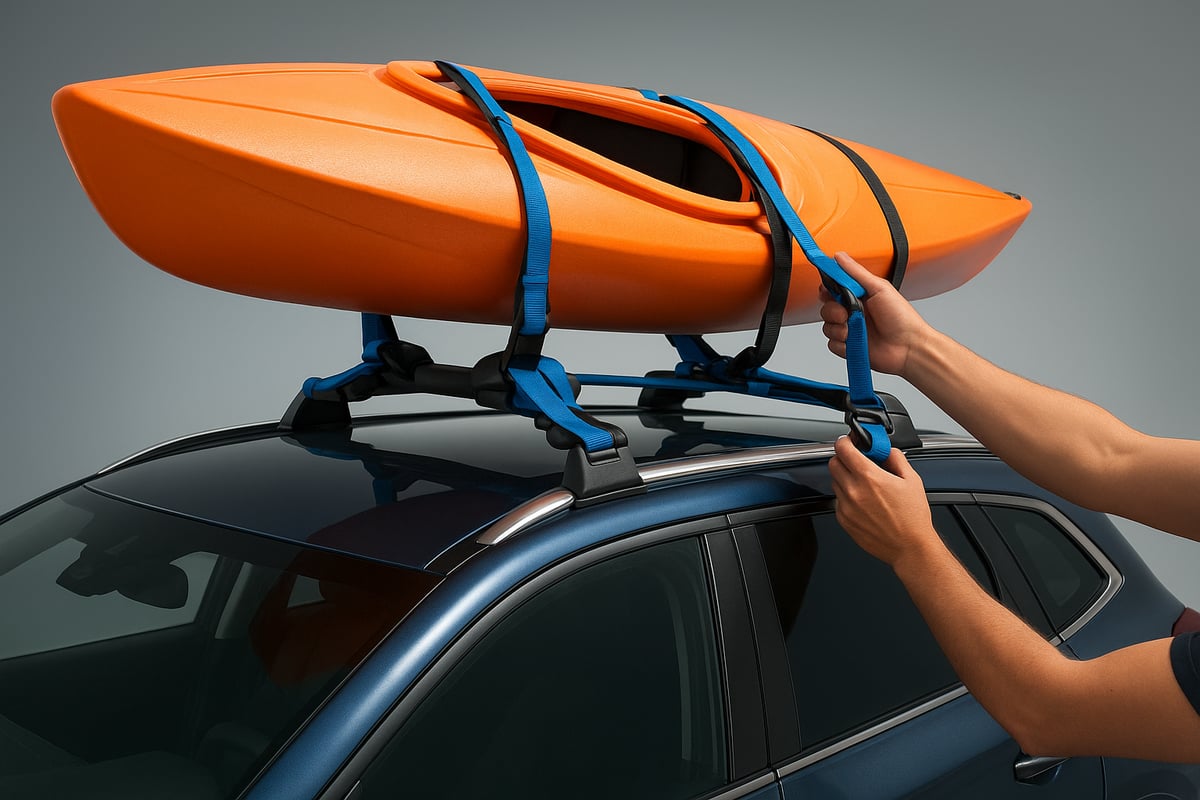
With your kayak roof mount in place, secure the kayak using cam buckle or ratchet straps. Position the straps over the hull and through the mount’s designated slots. For J-cradles and saddle mounts, keep straps flat and snug, but avoid overtightening to prevent hull dents.
A helpful technique is to twist the strap slightly, which reduces wind noise as you drive. For more details on effective strapping methods and product reviews, see the Best Kayak Roof Racks 2025: Expert Reviews & Highway Tests. Always double-check that your kayak roof mount holds the kayak firmly before moving on.
Attaching Bow and Stern Lines
Bow and stern lines add vital security when using a kayak roof mount, especially at highway speeds. Attach these lines to solid anchor points like tow hooks or under-hood loops on your vehicle. Avoid looping lines around plastic parts, which can break under tension.
Use quick-release hooks for faster setup and removal. Make sure lines are taut but not so tight that they warp the kayak’s ends or damage your bumper. Properly installed bow and stern lines keep your kayak roof mount stable, even in windy conditions or during sudden stops.
Double-Checking Your Work
After securing everything, perform a “shake test” to confirm the kayak roof mount holds steady. Grab the kayak and gently shake it side to side and up and down. The kayak should not shift more than a few centimeters.
Inspect all straps and lines for correct tension and make sure there are no loose ends. Tuck away excess strap material to prevent flapping or tangling during transit. Data from the KayakSafe Survey 2024 shows that 1 in 20 transport failures happen when this final check is skipped, so never rush this step.
Loading Multiple Kayaks Safely
If your adventure includes more than one kayak, your kayak roof mount choice is critical. Stacker mounts and double J-cradles work best for multiple boats. Place the largest kayak closest to the car, layering lighter kayaks on top or beside.
Use foam blocks between kayaks to prevent abrasion and run separate straps for each one. Double-check that all kayaks are visible in your mirrors and that the total load does not exceed your roof rack’s weight limit. A well-chosen kayak roof mount makes group trips safer and more convenient.
Common Mistakes to Avoid
Some errors can jeopardize your kayak roof mount setup. Avoid overtightening straps, which may dent the hull. Never skip bow or stern lines, as they are essential for stability.
Be mindful of wind load warnings, especially when transporting large kayaks. Always verify your roof rack’s weight rating to prevent damage or accidents. By steering clear of these common mistakes, your kayak roof mount will provide reliable performance on every journey.
On the Road: Safety Checks and Best Practices
Staying vigilant during transport is as important as choosing the right kayak roof mount. Safe travel begins with thorough checks and continues with attentive driving, emergency readiness, legal compliance, and seasonal adaptation.
Pre-Trip Inspection Checklist
Before setting off, always inspect your kayak roof mount system. Confirm all straps are tight and mounts are secure. Look for any signs of wear, such as frayed straps or loose bolts. Confirm the kayak is centered and balanced.
Use this quick checklist:
- Check each strap for proper tension.
- Ensure mounts and racks are locked in place.
- Test bow and stern lines for firmness.
- Verify that all loose ends are tucked away.
According to Kayaking Incident Trends Through September 2025, many transport incidents are preventable with simple pre-trip checks. After driving a short distance, stop and recheck your kayak roof mount to catch any shifting early.
Driving Tips with a Roof-Mounted Kayak
Driving with a kayak roof mount alters your vehicle’s dynamics. Always reduce speed, especially on highways or in windy conditions. Increase your following distance to allow more reaction time for braking.
Key driving tips:
- Approach low bridges and parking garages with caution.
- Avoid sudden stops and sharp turns.
- Monitor wind gusts, as a roof-mounted kayak can catch wind easily.
A kayak roof mount can increase stopping distance by up to 15 percent, so adjust your habits accordingly. Stay alert for unfamiliar noises or movement during your journey.
Handling Emergencies and Unexpected Issues
If you notice straps loosening or your kayak shifting, pull over safely at the next opportunity. Use hazard lights and park well off the road before making adjustments. Always carry spare straps and basic tools for on-the-go fixes.
In an emergency:
- Do not attempt adjustments while the vehicle is in motion.
- Use gloves to protect your hands when handling straps.
- Inspect the entire kayak roof mount for any damage before resuming travel.
Keep roadside assistance numbers handy. Quick action and preparedness can prevent minor issues from becoming major hazards.
Legal Requirements While in Transit
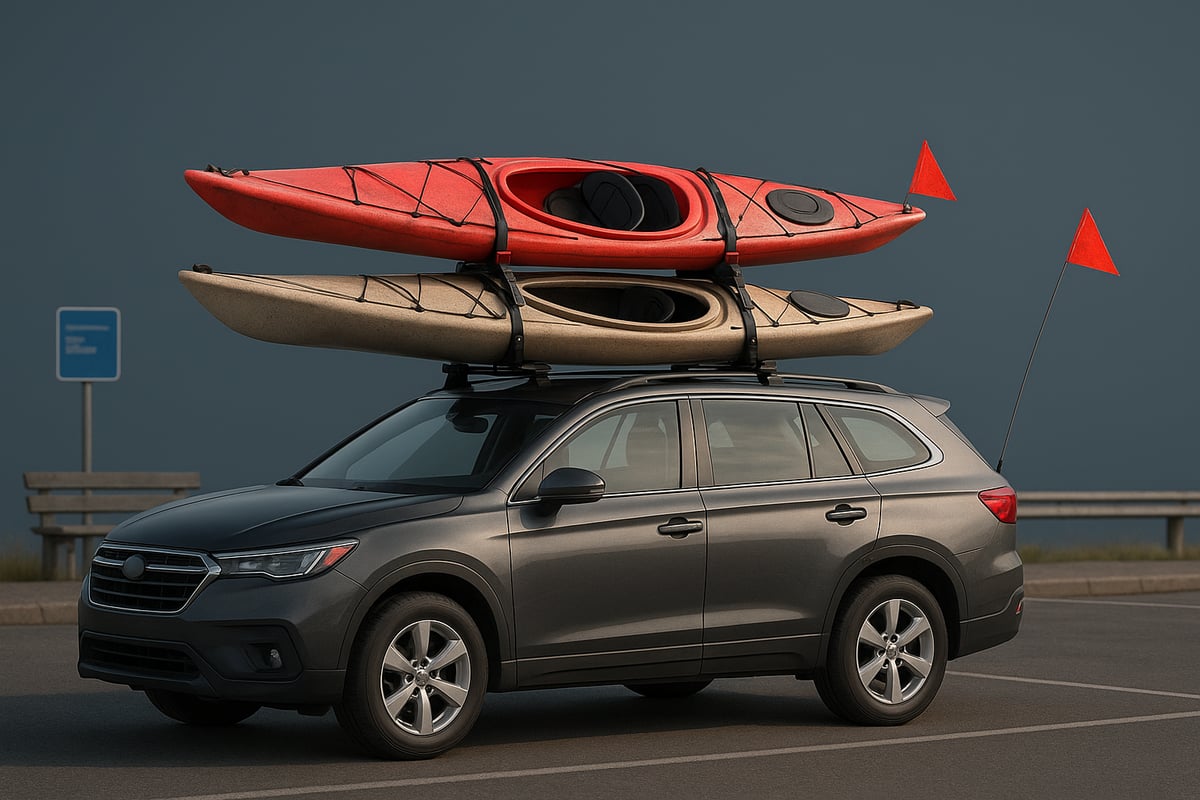
Local and EU regulations often specify requirements for overhanging loads. With a kayak roof mount, be aware of height and width restrictions for your route. In Ireland, a red safety flag is required if your load extends over one meter beyond your vehicle.
Remember:
- Attach reflectors or lights for nighttime visibility.
- Display warning flags as required.
- Carry documentation if crossing borders within the EU.
Non-compliance can result in fines up to €200. Research current laws before each trip to avoid penalties and ensure a safe journey.
Weather and Seasonal Considerations
Weather can significantly affect your kayak roof mount’s performance. In strong winds or storms, double-check all straps and lines for extra security. In winter, de-ice mounts and straps before departure to prevent slippage.
Consider these tips:
- Use UV-resistant materials to protect against sun damage.
- Store mounts indoors during off-season months.
- Perform regular maintenance checks after exposure to harsh conditions.
Adapting your routine to seasonal changes helps extend the life of your kayak roof mount and keeps your adventures safe year-round.
Maintenance and Storage of Kayak Roof Mounts
Proper maintenance and storage of your kayak roof mount are essential for long-term performance and safety. Regular care prevents unexpected failures and extends the life of your investment. Even the most advanced systems require attention to stay reliable for every adventure.
Cleaning and Inspecting Your Mount System
Routine cleaning is vital for keeping your kayak roof mount in top shape. Begin by washing all components with mild soap and water to remove dirt and road salt. Pay close attention to joints, bolts, and straps, as grime can hide in these areas.
- Inspect the kayak roof mount for signs of rust, cracks, or loose hardware.
- Lubricate moving parts with silicone spray to prevent sticking.
- Replace worn or frayed straps immediately.
A monthly inspection routine helps you spot issues before they become serious. This approach can add more than two years to the life of your kayak roof mount, keeping your gear secure and your travels worry-free.
Off-Season Storage Tips
When kayaking season ends, proper storage protects your kayak roof mount from unnecessary wear. Remove the mount from your vehicle to reduce exposure to harsh weather. Store it in a dry, shaded location, avoiding direct sunlight that can degrade plastics and rubber.
- Use original packaging or padded bags to prevent scratches.
- Foldable mounts save space in garages or sheds.
- For those considering additional storage solutions, the Menabo Holiday Roof Boxes Guide offers compatible options to keep your equipment organized.
By storing your kayak roof mount correctly, you preserve its quality for next year’s adventures and avoid premature aging of materials.
Extending the Life of Your Roof Mount
Taking a proactive approach can significantly extend the lifespan of your kayak roof mount. Replace straps annually or if you notice any damage. Avoid using harsh chemicals during cleaning, as these may corrode metal or weaken plastics.
- Shield the kayak roof mount from prolonged UV exposure by storing indoors when not in use.
- Check for loose bolts and retighten as needed.
- Regular care reduces the need for replacements by up to 30 percent.
With these habits, your kayak roof mount will serve you reliably for many years, making each trip safer and more enjoyable.
Upgrading and Accessorizing for 2026
The kayak roof mount market continues to evolve, offering new ways to enhance safety and convenience. In 2026, popular upgrades include integrated locks, quick-release clamps, and smart features like app-based alerts for loose straps.
- Solar-powered anti-theft alarms are a top accessory this year.
- Modular components make it easy to adapt your kayak roof mount to changing needs.
- For more on cutting-edge options, explore Innovative Kayak Transport Techniques 2025.
Assess your system annually to decide if repairs, upgrades, or a full replacement offer the best value for your kayaking lifestyle.
Frequently Asked Questions About Kayak Roof Mounts
Transporting your kayak safely is crucial, but many paddlers have questions when it comes to choosing and using a kayak roof mount. Here, we address some of the most common concerns, offering practical advice and up-to-date recommendations for 2026.
Can I Use a Kayak Roof Mount Without a Roof Rack?
Yes, it is possible to use a kayak roof mount without a traditional roof rack by opting for foam pad systems or temporary strap kits. Foam pads sit directly on your vehicle’s roof, while straps loop through your car doors to secure the kayak. These solutions are lightweight and easy to install, making them popular for occasional paddlers or those with compact cars.
However, there are limitations. Foam pad and strap systems offer less stability than full roof racks, especially at higher speeds or in windy conditions. They are best suited for short trips, lighter kayaks, and vehicles with smooth rooflines. Always check your car’s roof weight limit before using any kayak roof mount system.
For vehicles with raised rails, you may want to explore dedicated Car Raised Rails Roof Racks for added security and versatility. Ultimately, while temporary systems are convenient, a permanent rack offers better long-term protection for both your kayak and your car.
How Fast Can I Drive with a Kayak on the Roof?
Speed is a critical factor when using a kayak roof mount. Most manufacturers recommend a maximum speed between 80 and 100 km/h, depending on your mount type, kayak size, and weather conditions. Exceeding this range can increase the risk of shifting or losing your load, particularly if using temporary straps or foam pads.
Wind resistance rises sharply with speed, making your vehicle harder to control and reducing fuel efficiency. If you notice excessive noise or vibration, reduce your speed and inspect all straps. According to 2025 user surveys, most paddlers feel comfortable driving at 90 km/h with a properly secured kayak roof mount, but always err on the side of caution for safety.
What If My Kayak Is Too Heavy for My Roof Mount?
Every kayak roof mount and vehicle has a maximum load rating, typically found in your car’s manual or the mount’s specifications. Overloading your system can result in roof dents, mount failure, or even accidents. The average sedan roof supports up to 75 kg, which includes the mount and kayak combined.
If your kayak exceeds this limit, consider upgrading to a heavy-duty roof mount designed for larger loads, or investing in a small trailer. Some modern mounts feature reinforced frames and smart sensors to alert you to excess weight. Never attempt to transport a kayak that surpasses your car’s weight rating, as this can void warranties and create safety hazards.
Are Kayak Roof Mounts Universal?
Kayak roof mount systems are available in both universal and vehicle-specific designs. Universal mounts fit a wide range of roof racks, but you may need additional adapters for unique setups or newer vehicles. Model-specific mounts often offer a more secure fit, especially for cars with special rail shapes or integrated roof systems.
The trend in 2026 shows that 42% of new cars require adapters to use standard mounts, so check compatibility before purchasing. For comprehensive details on fit and installation technologies, the Yakima 2024 Dealer Workbook is a valuable resource. Choosing the right kayak roof mount ensures both safety and ease of use on every adventure.
Now that you know how to securely transport your kayak and keep your adventures hassle free in 2026, it’s worth thinking about where you’ll store your gear when you get home. At CoolaLiving IE we understand that your outdoor equipment deserves a safe durable storage solution just as much as your vehicle does on the road. If you’re looking to protect your investment and keep your space organized you might like our top quality steel sheds—built to withstand Ireland’s weather and keep your gear in great shape all year round. Check out our Free Fast Delivery on your TOP Steel Garden Shed for a convenient way to upgrade your storage setup.
Discover more from Coola Living Ireland
Subscribe to get the latest posts sent to your email.

