

Picture this: you plan an exciting day on the water, but your kayak arrives scratched or loose because the wrong kayak roof rack was used. Transporting your kayak safely is essential if you want every adventure to start and end on a high note.
This expert guide will show you how to choose the ideal kayak roof rack for your vehicle and ensure hassle-free journeys in 2026. You'll discover the latest rack types, compatibility tips, installation steps, safety essentials, and the key features that matter most.
Avoid costly mistakes and keep your kayak secure by following our proven advice. Ready to make your next trip smooth and stress-free? Let’s get started.
Understanding Kayak Roof Racks: Types and Key Differences
Choosing the right kayak roof rack is the foundation of safe and convenient kayak transport. With several rack types available, each offers unique benefits for different vehicles, kayaks, and adventure needs. Understanding the distinctions helps ensure your investment delivers both protection and ease of use.
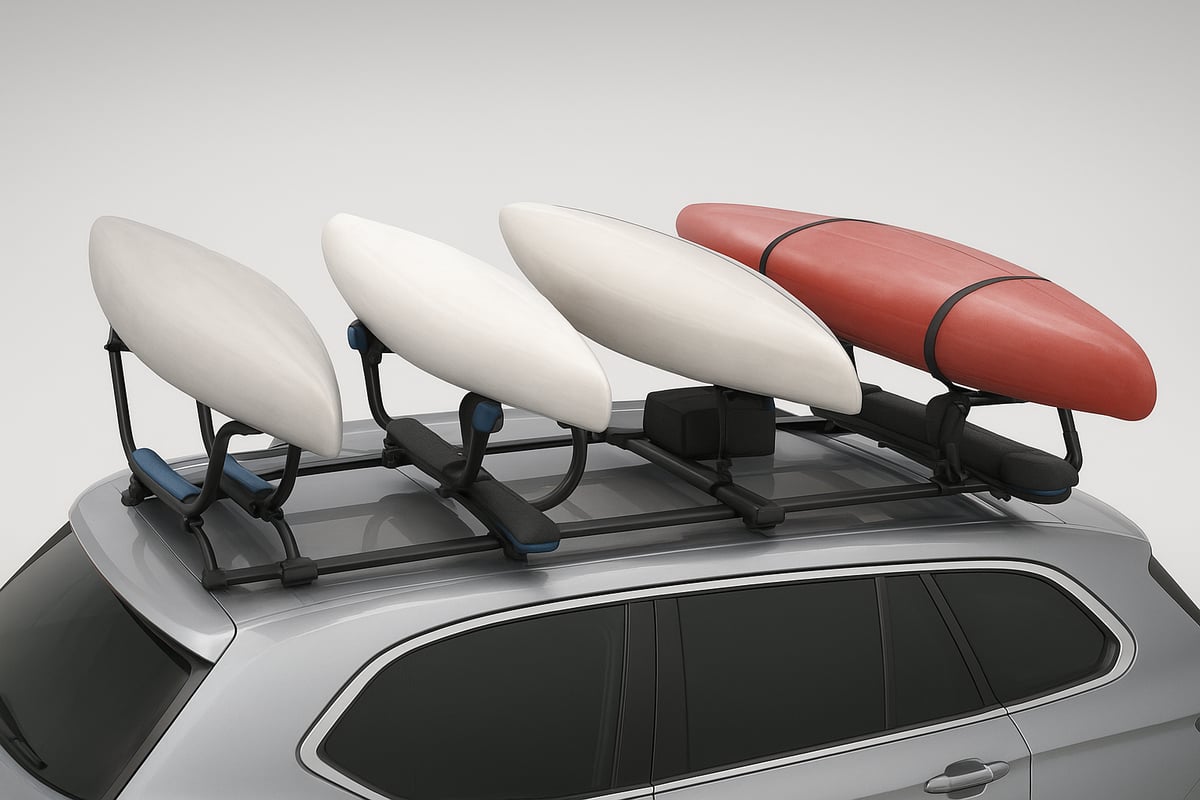
Overview of Kayak Roof Rack Types
The most common kayak roof rack types are J-Bar racks, saddle racks, stackers, foam blocks or pads, and inflatable racks.
- J-Bar racks hold kayaks on their side in a cradle shape, maximizing roof space.
- Saddle racks use contoured supports to keep the hull facing down, offering stability.
- Stackers store kayaks upright, letting you transport several at once.
- Foam blocks and pads provide a budget-friendly buffer between your kayak and car roof.
- Inflatable racks are portable and quick to install, ideal for light kayaks or occasional use.
Each kayak roof rack type suits different paddling scenarios. For a deeper dive into holder selection, see Choosing a Kayak Holder for Roof Rack.
Pros and Cons of Each Type
Every kayak roof rack design brings its own strengths and limitations.
- J-Bar racks:
- Pros: Affordable, secure, easy to tighten from one side.
- Cons: Requires lifting, needs crossbars, less ideal in strong winds.
- Saddle racks:
- Pros: Excellent stability, less hull stress.
- Cons: Higher price, may need specific crossbars.
- Stackers:
- Pros: Carry multiple kayaks, good for families.
- Cons: Less secure for solo kayaks, loading can be tricky.
- Foam/Inflatable racks:
- Pros: Simple setup, no tools, versatile.
- Cons: Lower security, risk of shifting, not ideal for long trips.
Choosing a kayak roof rack comes down to weighing these trade-offs against your needs and budget.
Examples and Use Cases
Selecting the right kayak roof rack depends on your activity and vehicle.
- J-Bar racks are a favorite for solo paddlers or pairs, often seen on SUVs heading to lakes or rivers.
- Stackers excel for group trips, letting families or clubs load several kayaks on a single vehicle.
- Saddle racks are the go-to for high-end or fragile fiberglass kayaks that need extra hull support.
- Foam blocks or inflatable racks are practical for short, local outings or renters seeking quick setup.
Matching your kayak roof rack to your travel style ensures both safety and convenience.
Market Trends and Innovations for 2026
The kayak roof rack market is evolving rapidly, with innovative features enhancing safety and user experience.
- Foldable and universal mounting systems are becoming the norm, making racks easier to store and fit.
- Manufacturers are prioritizing lightweight, corrosion-resistant materials like aluminum for improved durability.
- Integration with smart vehicle systems, such as theft alarms or load sensors, is on the rise.
- Expect more racks to feature weatherproof padding and UV-resistant components for longer life.
Staying informed about the latest kayak roof rack trends helps future-proof your purchase and keeps your kayaking adventures worry-free.
Matching Roof Racks to Your Vehicle and Kayak
Selecting the right kayak roof rack is about more than just picking a popular model. To ensure safe, stress-free transport, you need to match your rack to your vehicle’s features and your kayak’s specific needs. Let’s break down the essentials so you can make an informed, confident choice.
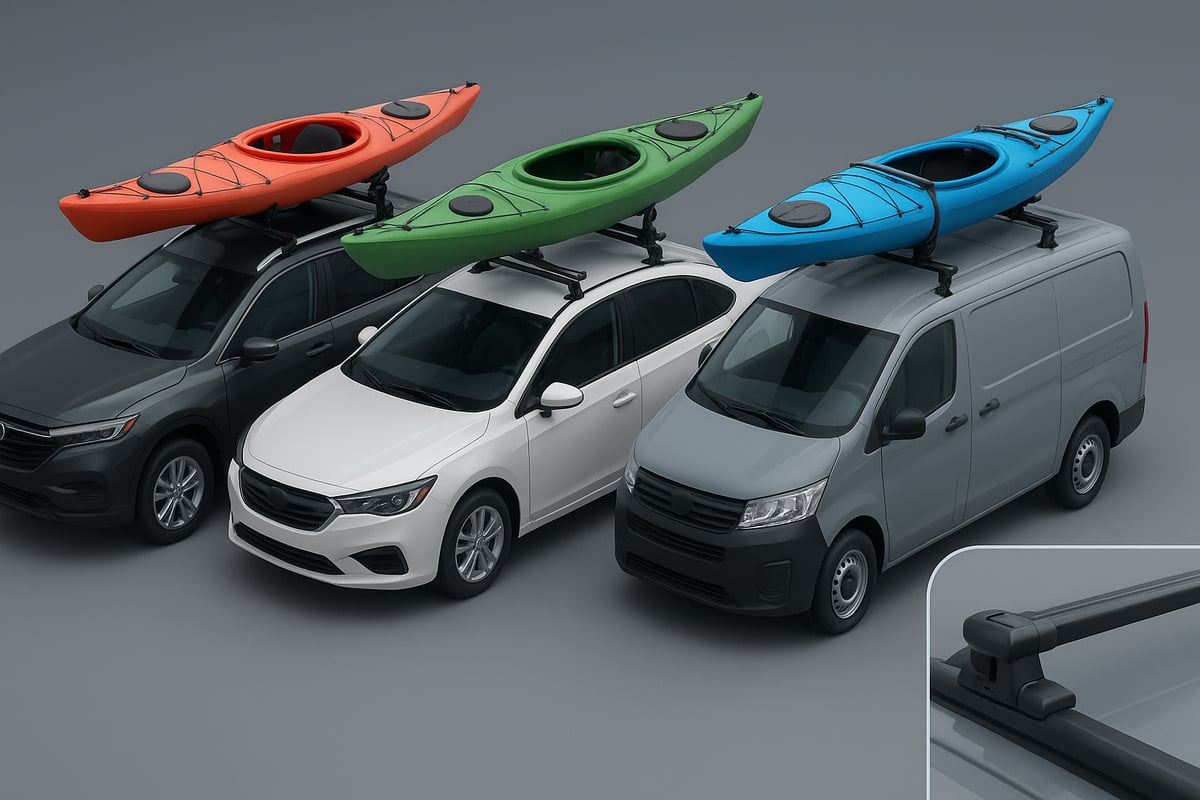
Assessing Your Vehicle's Compatibility
First, examine your vehicle’s roof to determine which kayak roof rack options will fit. Common roof types include bare roofs, raised rails, flush rails, and fixed mounting points. Each type affects installation and compatibility.
- Bare roof: Requires a rack system with door jamb clips or custom fit kits.
- Raised rails: Offer easy attachment points for a variety of racks.
- Flush rails: Need specialized mounts that clamp into the rails’ grooves.
- Fixed points: Feature built-in attachment spots, often hidden under covers.
Check if your vehicle already has horizontal crossbars. Many kayak roof rack models, especially J-Bar and stacker racks, need sturdy crossbars for proper support. SUVs, sedans, trucks, and vans all have different setups, so always verify before buying.
Weight limit is crucial. Consult your vehicle manual for the roof’s maximum load capacity, and compare it to the rack’s rating. Most J-Bar racks can handle up to 150 lbs, but exceeding this can risk both safety and your vehicle’s warranty.
Kayak Size, Shape, and Weight Factors
Next, consider your kayak’s dimensions and characteristics. Not all kayaks fit every kayak roof rack, so accurate measurements are vital.
- Length & width: Measure your kayak to ensure it won’t overhang dangerously or interfere with rack stability.
- Hull shape: Rounded, flat, or V-shaped hulls may require specific rack cradles or padding.
- Weight: Heavy kayaks, like fishing models or tandems, may need racks with reinforced arms or loading aids.
Specialized racks are available for unique needs. For example, fishing kayaks often need wider cradles, while tandem models might require stacker systems for space efficiency. If you have a SUP/kayak combo, seek out racks with adjustable arms to accommodate both.
Matching your kayak roof rack to your craft’s shape and weight prevents damage and ensures stability on the road. Taking a few minutes to check these factors can save you from headaches and costly repairs.
Crossbar and Rack Compatibility
The next step is to ensure your kayak roof rack and vehicle crossbars are a perfect match. Crossbars come in various shapes: round, square, oval, and aerodynamic (teardrop). Not all racks fit every crossbar type, so check manufacturer guidelines before purchasing.
Universal mounting systems are common, but they have limitations. Some may require additional tightening or adapters for a secure fit, particularly on teardrop or low-profile crossbars. For example, J-Bar racks often fit aerodynamic crossbars if you tighten the clamps carefully and check for movement before loading your kayak.
Here’s a simple compatibility table to guide your selection:
| Crossbar Shape | Rack Compatibility | Notes |
|---|---|---|
| Round | Most rack types | May require anti-rotation |
| Square | Universal fit | Typically easiest to mount |
| Oval/Teardrop | Some universal, some not | Double-check fit, tighten |
| Aerodynamic | Select universal models | Check for low-profile issues |
When matching your kayak roof rack to your vehicle’s crossbars, prioritize a snug, stable fit. Loose or misaligned racks are a leading cause of transport issues and can compromise safety.
Practical Examples and Common Mistakes
Many buyers make avoidable errors when choosing a kayak roof rack. One of the most common mistakes is purchasing a rack that doesn’t fit your vehicle’s crossbars or roof type. Always cross-check compatibility before checkout.
Another frequent error is relying on foam blocks for long highway drives. While foam or inflatable racks are convenient, they can shift at high speeds, risking both your kayak and vehicle. According to industry estimates, 70 percent of kayak transport problems are linked to poor rack compatibility.
For real-world tips and to avoid classic pitfalls, review the Top 10 Do’s and Don’ts For Kayak Roof Racks. This resource covers practical advice on installation, loading, and safe transport.
By learning from these examples and checking every detail, you ensure your kayak roof rack delivers reliability and peace of mind for every adventure.
Step-by-Step Guide: Installing and Loading Your Kayak Roof Rack
Setting up your kayak roof rack correctly makes all the difference between a smooth adventure and a stressful journey. Follow this detailed guide to ensure your kayak roof rack is installed, loaded, and secured with confidence, so you can focus on enjoying your time on the water.
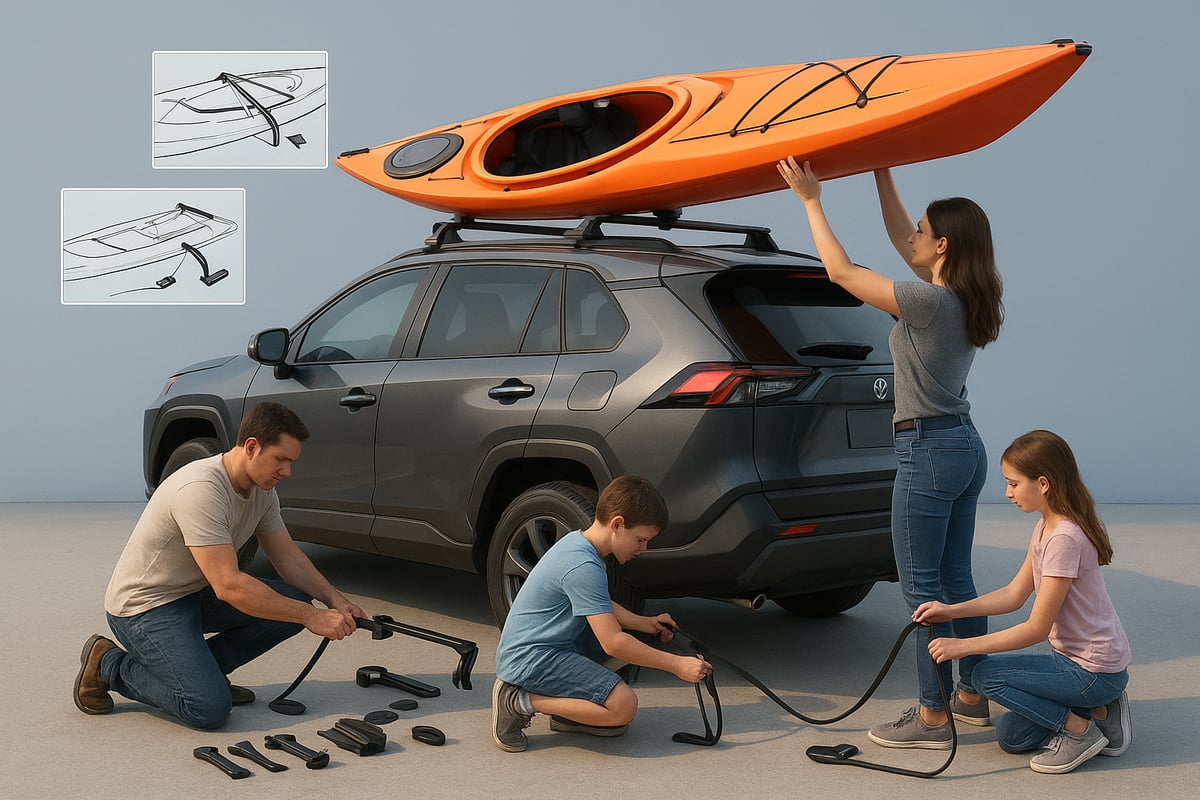
Preparing for Installation
Before you start, gather all necessary tools and components for your kayak roof rack. Having everything on hand speeds up assembly and helps avoid mistakes.
Essential tools for installation:
- Wrench (open-ended or socket, as specified by rack manufacturer)
- Step ladder (for higher vehicles)
- Mounting hardware (bolts, washers, brackets)
- Tape measure
- User manual or installation guide
Unpack your kayak roof rack indoors to ensure you do not lose small pieces. Lay out all parts and compare them to the instruction checklist. This step helps confirm you have all components and understand the assembly process.
Read the manufacturer’s instructions fully before beginning. If your rack includes multiple pieces or adapters, assemble these on the ground rather than on the vehicle roof to make alignment easier and safer. Double-check that all bolts and connectors are present and undamaged.
Mounting the Rack on Your Vehicle
With your kayak roof rack assembled, position it on your vehicle’s crossbars. Align the rack perpendicularly to the car for maximum stability, especially with J-Bar or saddle-style racks.
Mounting steps:
- Place the rack feet on the crossbars, spacing them according to your vehicle and kayak length.
- Tighten bolts by hand first, then use the wrench for a secure fit.
- For tight or awkward spaces, an open-ended wrench often works best.
- Ensure the rack is centered and does not wobble when gently shaken.
Check that the kayak roof rack’s orientation matches the intended loading direction. Always verify that the rack is firmly attached before you load any weight. Loose racks are a common cause of kayak transport issues.
Loading the Kayak Safely
Loading your kayak onto the roof rack requires careful handling to avoid injury or damage. For long or heavy kayaks, always enlist a second person.
Loading tips:
- Lift the kayak from both ends, keeping your back straight.
- Position the kayak with the cockpit facing outward and the bow pointed forward.
- Center the kayak on the rack to distribute weight evenly across both crossbars.
If loading alone, consider using a loading aid or a towel to slide the kayak onto the rack. Once in place, double-check that the kayak is balanced and stable. Proper alignment now prevents shifting during transit.
Securing with Straps and Tie-Downs
Securing your kayak with quality straps is crucial for safe transport. Use cam buckle or ratchet straps for the best hold.
How to secure your kayak:
- Loop straps under the kayak roof rack and over the kayak, avoiding twists.
- Place buckles on the flattest kayak surface to reduce wind exposure.
- Tighten straps firmly, but do not over-compress the hull.
- Tie off any loose strap ends to prevent flapping and noise.
For a detailed visual walkthrough, refer to this How to Strap a Kayak to a Roof Rack in 4 Steps guide, which demonstrates best practices for strap placement and tension.
Bow and Stern Lines: Essential for Safety
Bow and stern lines are vital for preventing your kayak from shifting or lifting during travel. They anchor your kayak at both ends, providing extra security.
Steps for attaching bow and stern lines:
- Connect lines from the kayak’s front and rear handles to secure points on your vehicle (such as tow hooks or frame loops).
- Use hood or trunk anchor straps if your car lacks factory hooks.
- Tighten lines until snug, but avoid excessive force that could warp the kayak hull.
- Check that lines are free from sharp edges and not rubbing against painted surfaces.
This extra layer of security dramatically reduces the risk of your kayak coming loose on the road, especially at highway speeds.
Common Pitfalls and Pro Tips
Even experienced paddlers can make mistakes with their kayak roof rack setup. Avoid these common errors for a safer trip.
Pitfalls to avoid:
- Over-tightening ratchet straps, which can crack or dent your kayak.
- Skipping padding under straps, leading to scratched paint or hull marks.
- Neglecting a test run, resulting in unexpected issues during your first real trip.
Pro tips:
- Use foam or cloth pads under straps and contact points.
- Practice loading and unloading your kayak at home to build confidence.
- Regularly inspect all hardware for wear and replace as needed.
By following these steps and tips, you ensure your kayak roof rack is both secure and convenient, making every trip to the water as enjoyable as possible.
Safety, Security, and Best Practices for Kayak Transport
Transporting your kayak safely is essential for both your gear and your peace of mind. The right kayak roof rack is only as effective as your attention to safety, security, and best practices. Let’s explore the key steps that experienced paddlers use to keep their adventures worry-free.
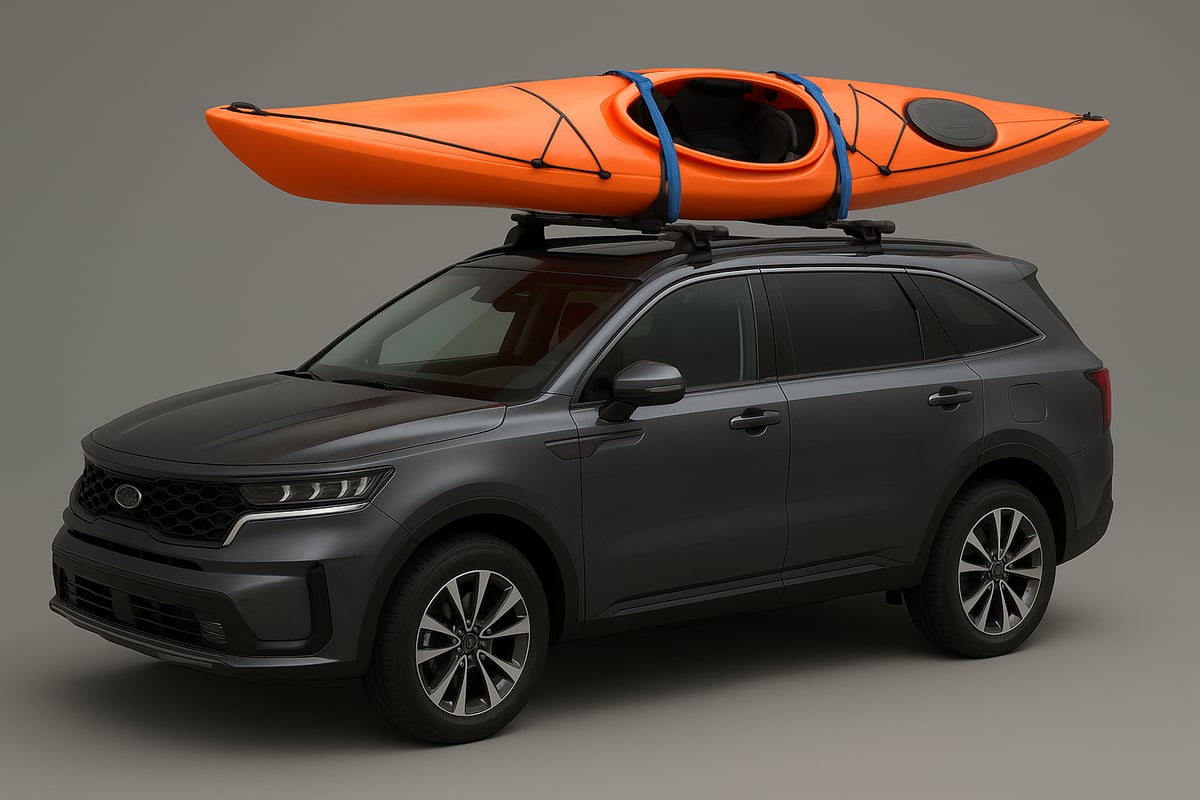
Pre-Trip Safety Checks
Before every journey, a thorough inspection of your kayak roof rack is crucial. Start by double-checking that all bolts, straps, and tie-downs are secure. Gently shake the kayak to ensure it does not shift or wobble.
Use this quick checklist:
- Inspect rack attachment points for tightness
- Confirm straps are free from fraying or damage
- Make sure the kayak roof rack is centered on the vehicle
- Check for proper alignment of crossbars
A short test drive at low speed can help you listen for unusual noises. For more detailed safety tips, review this guide on how to transport a kayak safely, especially when preparing for longer or more challenging routes.
On-the-Road Safety Habits
Once you’re on the road, regular checks are essential. Stop every 30 to 60 minutes during long trips to re-tighten straps and inspect your kayak roof rack. Weather conditions can change quickly, so watch for high winds or rain that might loosen your setup.
Adopt these habits:
- Drive in a slower lane to minimize sudden stops
- Avoid sharp turns that could stress the kayak roof rack
- Listen for humming or shifting noises
Slowing down and practicing defensive driving can make a significant difference in how well your kayak roof rack performs under real-world conditions.
Preventing Damage to Kayak and Vehicle
Protecting both your kayak and your car starts with the correct kayak roof rack setup. Always use soft padding under straps to prevent scratches on your vehicle’s paint. Avoid direct contact between straps and sharp kayak edges.
Key tips include:
- Use cloth or foam padding beneath straps and buckles
- Center the kayak to distribute weight evenly
- Remove the kayak roof rack when not in use to prevent rust and wear
Paying attention to these small details helps extend the life of your equipment and keeps your kayak in top condition for every trip.
Theft Prevention and Security
Kayak theft can happen in seconds, especially at busy rest stops or trailheads. Opt for a kayak roof rack with integrated locks or use locking straps for added security. If you plan to leave your vehicle unattended, consider removing the rack or using a portable alarm.
Security checklist:
- Lock both kayak and rack to the vehicle
- Store removable parts inside the car
- Choose well-lit parking areas
Advanced kayak roof rack models increasingly offer tamper-resistant bolts and smart features, making theft less likely for vigilant owners.
Real-World Insights and User Experiences
Stories from seasoned kayakers highlight the value of good habits. For example, one paddler avoided losing their kayak during a sudden stop because they used both bow and stern lines. Data shows that 90% of kayak transport incidents are preventable with proper tie-downs and regular checks.
| Lesson Learned | Preventive Action |
|---|---|
| Kayak shifted on highway | Added extra straps, checked rack fit |
| Paint scratched by straps | Used foam padding under all contact |
| Theft attempt at trailhead | Upgraded to locking kayak roof rack |
Remember, the right kayak roof rack combined with vigilant practices keeps your adventures safe and stress-free.
Top Features to Look for in a Kayak Roof Rack in 2026
Choosing a kayak roof rack in 2026 means considering more than just basic functionality. Modern racks are designed to be smarter, tougher, and more user-friendly than ever. To make an informed investment, focus on features that deliver safety, convenience, and long-term value. Let’s break down what sets the best kayak roof rack apart in today’s market.
Durability and Material Quality
When choosing a kayak roof rack, durability should be at the top of your checklist. Look for racks built from corrosion-resistant materials such as aluminum or powder-coated steel. These materials withstand harsh weather and heavy use, protecting your investment for years.
Weatherproof padding is another essential feature. It shields your kayak from scratches and dents during transport. UV-resistant plastics and rubber parts will further extend the lifespan of both your rack and kayak. The best kayak roof rack options in 2026 combine strength with lightweight construction, making them easy to handle without sacrificing resilience.
| Material | Corrosion Resistance | Weight | Lifespan |
|---|---|---|---|
| Aluminum | High | Light | 10+ years |
| Powder-Coated Steel | Very High | Moderate | 8+ years |
| UV-Resistant Plastic | Moderate | Very Light | 5+ years |
Ease of Use and Installation
A kayak roof rack should simplify your adventures, not complicate them. In 2026, foldable designs and quick-mount systems are increasingly common, allowing you to install and remove your rack in minutes. Universal mounting kits also help accommodate different roof types and crossbar shapes.
Tool-free installation is a major advantage, especially for solo paddlers. Always check that the rack comes with clear instructions and all necessary hardware. For step-by-step guidance on proper setup, the How to Install a Kayak Rack guide is a valuable reference.
Remember, ease of use means more than just installation. Look for racks with intuitive loading mechanisms, such as tilting cradles or integrated load assists, to reduce the risk of injury and protect your kayak.
Security and Anti-Theft Features
Security is a non-negotiable feature for any kayak roof rack. Premium models now offer integrated locking systems for both the rack and the kayak itself. Tamper-resistant bolts and custom lock cores deter opportunistic thefts.
Some racks are compatible with aftermarket locking straps, adding another layer of protection. In 2026, expect to see more racks with hidden or recessed locks, making them harder to tamper with. If you store your kayak roof rack on your vehicle for extended periods, a robust locking system is essential for peace of mind.
Load Capacity and Versatility
A top-tier kayak roof rack must support your specific gear needs. Check the maximum load rating before purchase, especially if transporting multiple kayaks or heavier fishing models. Adjustable arms or cradles allow you to carry everything from narrow sea kayaks to wide recreational boats.
Many racks now support a mix of gear, such as stand-up paddleboards or roof boxes. If you often switch between activities, versatility ensures you get the most from your investment. The right kayak roof rack adapts to your adventures, not the other way around.
Aerodynamics and Fuel Efficiency
Aerodynamic design is a standout feature in 2026’s kayak roof rack market. Streamlined racks reduce wind resistance and noise, making long drives more comfortable and economical. Fold-down features are especially popular, letting you minimize drag when the rack is not in use.
Manufacturers claim that aerodynamic racks can improve fuel efficiency by up to 5 percent. This not only saves money but also reduces your environmental footprint. Look for smooth edges, low-profile mounts, and wind-deflecting accessories when comparing options.
Smart Features and Innovations
Technological advancements are shaping the kayak roof rack landscape. Many modern racks now include sensors that monitor load security and send alerts to your smartphone if movement is detected. App integration can guide you through installation, track usage, and even provide theft notifications.
As demand for digital compatibility rises, expect to see racks with programmable security codes and Bluetooth connectivity. These innovations add convenience and offer a new level of assurance for your gear.
User Reviews and Warranty Support
Before investing in a kayak roof rack, research user reviews and warranty terms. Models with ratings above 4.5 stars consistently deliver on promises of durability and ease of use. Responsive customer service and comprehensive warranties—often two years or more—are signs of a reputable brand.
Check for clear instructions and dedicated support channels. A reliable warranty not only protects your purchase but also reflects the manufacturer's confidence in their product.
Price vs. Value Considerations
Balancing cost and value is crucial when selecting a kayak roof rack. Entry-level models may offer affordability but can lack long-term durability or essential features. Premium racks, while pricier, often include enhanced security, better materials, and innovative designs.
Consider your kayaking frequency and transport needs. Investing in a versatile, well-built rack can save you money in the long run by preventing damage and ensuring hassle-free trips. For a broader look at related accessories and options, explore the Adventure Vehicle Accessories Guide to see how a kayak roof rack fits into your complete adventure setup.
Expert Buying Advice: How to Choose the Best Kayak Roof Rack for Your Needs
Choosing the right kayak roof rack is a crucial investment for safe and hassle-free transport. With so many options available in 2026, making an informed decision ensures your gear—and your trips—stay secure and enjoyable.
Assess Your Kayaking Habits and Needs
Start by evaluating how you plan to use your kayak roof rack. Are you a weekend paddler or an avid kayaker hitting the water every week? Frequency of use will help determine whether you need a durable, premium rack or a lightweight, occasional-use model.
Think about group size. Solo paddlers may prioritize ease of loading, while families or groups should consider stacker racks for multiple kayaks. If you also carry gear like SUPs or bikes, look for racks offering versatility.
Matching the kayak roof rack to your adventure style ensures you get the right balance of convenience, capacity, and long-term value.
Vehicle and Storage Considerations
Before purchasing any kayak roof rack, check your vehicle’s roof type and available space. Does your car have raised rails, flush rails, or a bare roof? The answer affects which racks are compatible.
Consider garage clearance and storage when the rack isn’t in use. Foldable or removable designs can be essential if you park in tight spaces. Also, think about how the rack complements your vehicle’s appearance and whether it could influence resale value in the future.
Proper planning here prevents costly mistakes and ensures your kayak roof rack fits your daily routine.
Evaluating Brands and Models
Researching trusted brands is vital when selecting a kayak roof rack. Look for companies with strong reputations, positive user reviews, and transparent warranty policies. Detailed installation instructions are a must for a smooth setup experience.
For vehicles with flush rails, explore options like those in the Car Flush Rail Roof Racks Overview to ensure a secure fit. Compare features such as load capacity, locking systems, and weather resistance. Prioritize racks with high ratings and responsive customer support.
A well-chosen kayak roof rack from a reputable brand provides peace of mind on every journey.
Where to Buy: Online vs. In-Store
Deciding where to purchase your kayak roof rack depends on your preferences for selection, support, and convenience. Specialized outdoor retailers offer expert advice and the chance to see racks in person. Shopping online provides a wider range of models and the comfort of home delivery.
For those needing extra storage solutions, consider combining your kayak roof rack with options like Roof Top Box Solutions for Cars. Whichever route you choose, confirm the seller offers reliable after-sales support and an easy return policy.
Balancing convenience and expertise ensures you find the ideal kayak roof rack for your needs.
Environmental and Legal Considerations
Responsible buyers should check local transport regulations regarding overhang, visibility, and load limits for any kayak roof rack. Some regions require additional safety flags or lighting for longer kayaks.
Opt for racks made from eco-friendly materials and sustainable manufacturing practices when possible. Properly recycle or dispose of old racks to minimize environmental impact.
Staying compliant and eco-conscious reflects well on both you and your kayaking community.
Final Pre-Purchase Checklist
Before committing to your kayak roof rack, run through this essential checklist:
- Double-check compatibility with your vehicle and kayak model
- Review warranty and return policies
- Read the installation manual in advance
- Gather necessary tools for setup
- Confirm that all mounting accessories are included
Following this process can save time, money, and frustration.
Real-Life Example Scenarios
Consider a family who enjoys summer lake trips: a stacker-style kayak roof rack lets them transport multiple kayaks efficiently. For a solo paddler, a lightweight J-Bar kayak roof rack offers easy handling and quick installation.
Those looking to upgrade may opt for a smart rack with integrated security, balancing peace of mind with modern convenience. Each scenario highlights the importance of matching the kayak roof rack to your lifestyle and vehicle requirements.
Choosing the right kayak roof rack is a smart investment in safety and enjoyment. By following these expert tips, you’re well-equipped to make the best choice for years of adventure.
As you think about upgrading your vehicle for kayaking adventures in 2026, remember that proper storage at home is just as important as secure transport on the road. When your gear is organized and protected, every trip starts out smoother and ends with less hassle. At Coola Living Ireland, we understand how vital it is to keep your outdoor equipment safe and ready to use. If you’re also considering a sturdy solution for your garden or backyard, you might want to explore our Free Delivery on your ECO Steel Garden Shed—an ideal way to protect your kayaks, paddles, and all your outdoor essentials between journeys.
Discover more from Coola Living Ireland
Subscribe to get the latest posts sent to your email.

