

Unlock your vehicle’s adventure potential in 2026 by choosing the right universal roof rack. No more packing frustrations or running out of space on your next road trip.
This comprehensive guide will demystify the universal roof rack, helping you select the perfect fit for your car while explaining crucial features and sharing expert tips for safe, efficient use.
We’ll break down how universal roof racks work, what to look for in 2026, essential fitment steps, installation advice, and maintenance strategies. With this knowledge, you can maximize your cargo space and travel with confidence.
Understanding Universal Roof Racks: What Makes Them “Universal”?
Unlocking extra space on your vehicle can transform any journey, but how does a universal roof rack make this possible for so many car types? Let’s break down what truly makes a roof rack “universal,” how it fits across vehicles, and its real-world strengths and limitations.

What Is a Universal Roof Rack?
A universal roof rack is a modular cargo-carrying system designed to fit a wide range of vehicles regardless of make or model. Unlike racks engineered for a single car, a universal roof rack uses adjustable components to match different roof styles and sizes.
There are several main types of universal racks, including:
- Cross bars, which support bikes, skis, or roof boxes
- Baskets, ideal for irregular or bulky items
- Cargo boxes, providing enclosed, weatherproof storage
The main advantage is flexibility. A universal roof rack can often be swapped between vehicles, making it cost-effective and practical for families or businesses with multiple cars. For example, a single set can serve both a hatchback and an SUV with only minor adjustments.
However, there are limitations. A universal roof rack may not offer a perfect fit and sometimes needs extra adapters for secure mounting. According to Home Depot, most universal racks are compatible with a broad range of brands and models, but always check the fit guide for your specific vehicle.
How Universal Fit Works: Compatibility Factors
The universal roof rack achieves its broad fit through adjustable mounting systems. Most designs allow you to lengthen or shorten crossbars, shift mounting feet, or use interchangeable clamps to match various roof shapes.
Compatibility depends on several factors:
- Roof rail type: raised, flush, or bare roofs each require specific attachments
- Roof width: adjustable crossbars can expand or contract to match
- Weight capacity: universal racks typically support from under 150 lbs up to 450 lbs or more for heavy-duty options
- Included hardware: fitting kits and bolts ensure secure attachment
For example, a popular adjustable crossbar set can clamp onto raised side rails of a compact SUV or sedan. The mounting system’s flexibility is key, but it is vital to check compatibility lists and fit guides to avoid issues with new models or unique roof designs.
Common compatibility issues include mismatched rail types or incorrect hardware. Solutions often involve using adapter kits or checking for updated fitting instructions. For a deeper look at how universal roof rack compatibility is achieved and what to consider for safety, review the Accio Universal Roof Rack Compatibility guide.
Retailers like Home Depot validate universality by offering “Automotive Fit Type: Universal” filters, helping shoppers quickly find racks suitable for their needs.
Pros and Cons of Universal Roof Racks
Choosing a universal roof rack brings both benefits and trade-offs. Here’s a quick comparison:
Pros:
- Flexible fit for many vehicle types
- Affordable compared to custom-fit racks
- Easy resale or rental for short-term needs
- Convenient if you own or switch between multiple cars
Cons:
- May generate wind noise or be less aerodynamic
- Sometimes needs extra securing or adapters
- Fit might not be as seamless as a model-specific rack
Universal roof racks are especially useful for family road trips, adventure sports, or commercial users who value adaptability. For those renting cars or managing a multi-car household, a universal roof rack can be a practical solution.
Ultimately, a universal roof rack offers a balance between convenience and customization, making it a smart investment for diverse cargo needs.
Sizing and Fitment: Ensuring the Right Match for Your Vehicle
Finding the perfect universal roof rack is not just about picking the right style. Proper sizing and fitment are critical for safety, performance, and peace of mind, especially as new 2026 vehicle models arrive. A careful approach ensures your rack works seamlessly, whether you are carrying bikes, kayaks, or extra luggage.
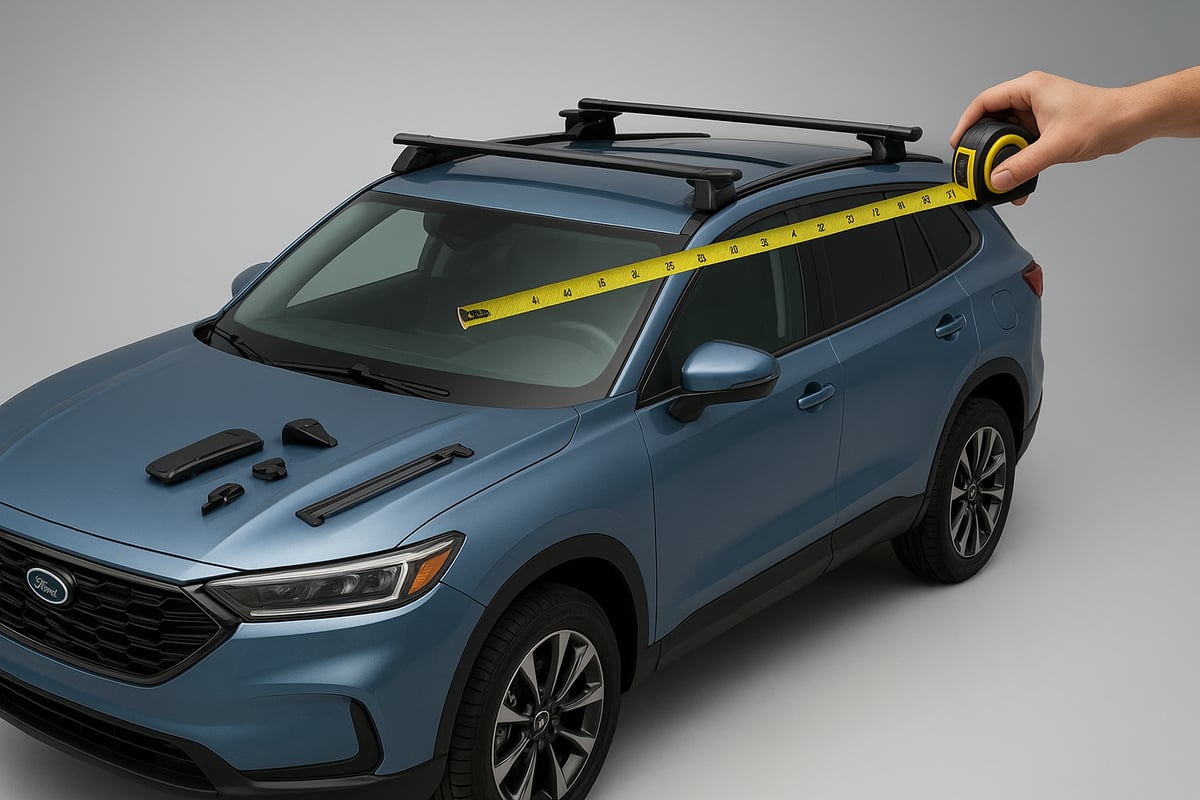
Step-by-Step Fitment Process for 2026 Vehicles
Ensuring your universal roof rack fits correctly starts with understanding your vehicle’s roof design. Begin by identifying if your car has a bare roof, raised rails, flush rails, or fixed mounting points. This detail influences the type of mounts and hardware you will need.
Next, measure the width of your roof and the distance between any rails or mounting points. Accurate measurements help you select the right crossbar length, which is vital for both safety and cargo space. Consult manufacturer compatibility lists or fit guides whenever possible. For a streamlined process, resources like the Thule Vehicle Fit Guide can help you match racks to your specific vehicle make and model.
With measurements in hand, choose a universal roof rack crossbar that fits your width and matches your cargo needs. Always check the weight capacity of both the rack and your vehicle’s roof. This is especially important if you plan to carry heavy items like kayaks or roof top boxes.
Review installation requirements before purchase. Some universal roof rack systems need specific tools or extra hardware, and installation times can vary. For example, fitting a universal roof rack to a 2026 compact SUV with flush rails may require special adapters and careful alignment.
By following these steps in order, you minimize errors and ensure a secure, functional setup.
Key Fitment Considerations and Common Mistakes
Selecting a universal roof rack is not just about measurements. Overlooking your roof type is a common pitfall. For example, mistaking flush rails for raised rails can lead to incompatible mounts and wasted time.
Another frequent mistake is ignoring maximum load limits. Both your universal roof rack and your vehicle have specific weight ratings. Exceeding these can risk damage or unsafe driving conditions. Always check both numbers before loading up.
Be mindful of features like sunroofs, antennas, or unique roof curves. A universal roof rack might interfere with panoramic sunroofs or block antennas, creating noise or function issues. It is also easy to forget to check for overhang or rear hatch clearance, leading to problems with opening your trunk or hatchback.
Using outdated fitment guides is risky, especially as 2026 models introduce new roof designs. Always look for the most recent compatibility information. For instance, some universal roof rack systems may need updated fitting kits to work with the latest panoramic sunroofs.
The table below summarizes key considerations and mistakes:
| Consideration | Common Mistake | Solution |
|---|---|---|
| Roof type | Misidentification | Double-check with guides |
| Weight limits | Overloading | Confirm rack & vehicle specs |
| Roof features | Overlooking obstacles | Inspect roof before purchase |
| Fitment guides | Using old information | Use up-to-date resources |
Careful attention to these details will help you avoid costly or frustrating errors.
Adjusting and Testing the Fit
Once your universal roof rack is installed, it is crucial to test and fine-tune the fit. Begin by securely tightening all mounts and hardware, following the recommended torque specifications from the manufacturer.
Test-fit the rack before loading any cargo. Gently shake the rack to check for any movement or rattling. Listen for unusual noises during a short drive, and inspect for gaps between the rack and the roof. Make sure locks engage properly and recheck all fasteners periodically.
For example, after installing a universal roof rack on a new vehicle, adjusting the crossbars to eliminate any play ensures a safe, rattle-free journey every time.
Core Features to Look for in a 2026 Universal Roof Rack
Choosing the right universal roof rack for your vehicle in 2026 means focusing on the features that ensure safety, longevity, and adaptability for your adventures. Let us break down the core components and innovations you should expect when shopping for a universal roof rack this year.
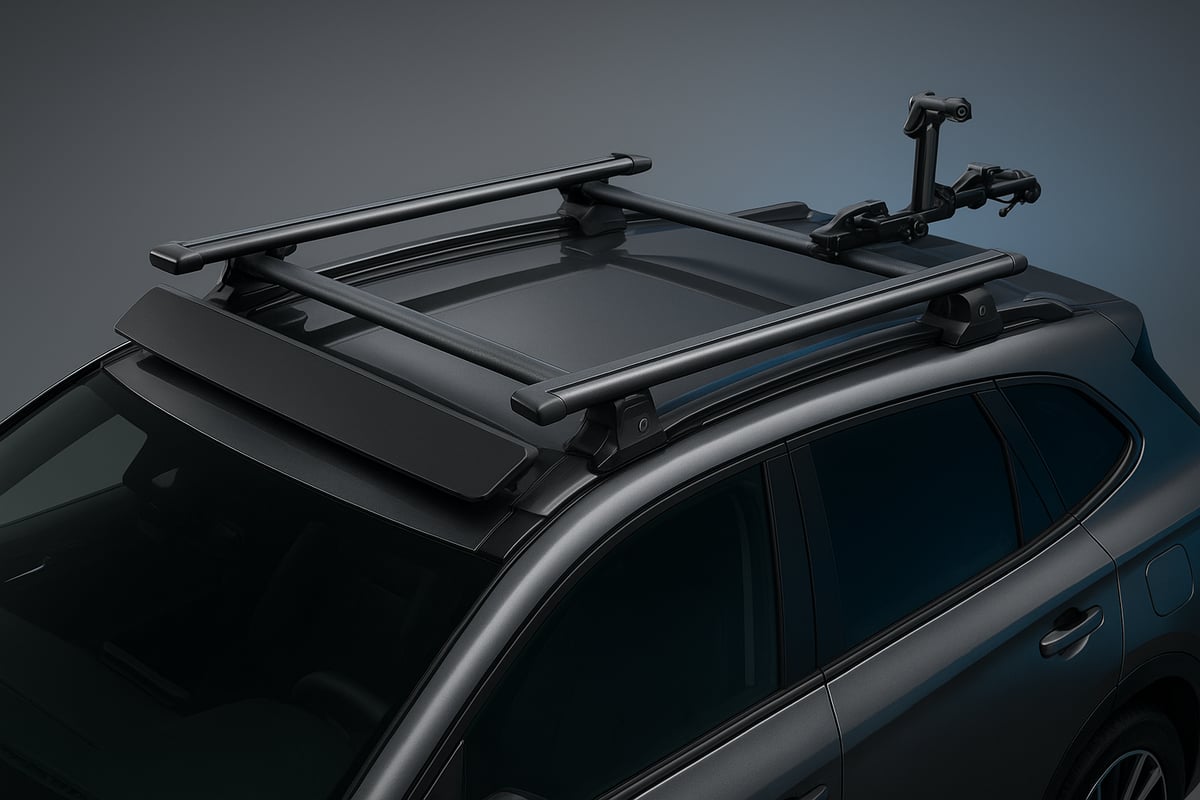
Material Choices and Durability
When selecting a universal roof rack, material is the foundation of both performance and lifespan. The most common materials in 2026 are steel, aluminum, ABS plastic, nylon, and foam. Steel racks stand out for their sheer strength, making them ideal for heavy-duty use. However, steel is heavier and may be prone to rust if not properly coated.
Aluminum has become the top choice for many due to its lightweight nature and natural resistance to corrosion. This translates to easier installation, less strain on your vehicle’s roof, and better longevity, especially in damp or coastal climates. ABS plastic and engineered nylon are cost-effective, weather-resistant, and lightweight, but may not support as much weight as metal options.
Consider this simple comparison:
| Material | Strength | Weight | Rust Resistance | Cost |
|---|---|---|---|---|
| Steel | High | Heavy | Medium (if coated) | Moderate |
| Aluminum | Medium | Light | High | Higher |
| ABS Plastic | Low-Med | Light | High | Low |
Brands like VEVOR offer powder-coated steel racks for added corrosion protection, while Home Depot’s listings show steel and aluminum as the most popular choices for durability. For any universal roof rack, always check for UV-resistant coatings and reinforced joints to ensure it withstands harsh weather and daily use.
Security and Safety Features
Security is a must-have for any universal roof rack, especially when carrying valuable gear. Look for built-in locking mechanisms, anti-theft bolts, and tamper-resistant designs. Many 2026 models include integrated locks on both the crossbars and the mounting feet, providing peace of mind whether you’re parked at a trailhead or in the city.
Effective load securing is just as critical. Quality universal roof rack systems come with tie-down points, removable straps, and net attachments to keep your cargo stable. Some advanced racks incorporate lockable accessory mounts for bikes, skis, or cargo boxes.
A universal roof rack with robust safety features not only deters theft but also ensures your gear stays securely attached, even during sudden stops or rough roads. Always confirm that the security components are compatible with your chosen accessories for seamless travel.
Weight Capacity and Load Distribution
Understanding weight capacity is essential for safe and efficient use of any universal roof rack. Standard models handle between 150 and 450 lbs, while heavy-duty options, such as VEVOR’s commercial van racks, can support up to 800 lbs. Always match the rack’s maximum capacity to your intended cargo, whether it’s kayaks, bikes, or a rooftop box.
Proper load distribution is equally important. Evenly spaced cargo prevents undue stress on your vehicle’s roof and minimizes the risk of shifting during transit. Manufacturers provide recommendations for different cargo types, so follow these guidelines closely. Overloading or uneven placement can compromise both safety and roof rack longevity.
A universal roof rack designed with clear load ratings and sturdy mounting hardware will give you confidence for every journey.
Aerodynamics and Noise Reduction
Aerodynamics play a significant role in both fuel efficiency and driving comfort. Modern universal roof rack designs often feature wind fairings, low-profile crossbars, and rounded edges to reduce drag and wind noise. Poorly designed racks can cause up to a 10% drop in fuel efficiency and generate distracting sounds inside the cabin.
Look for universal roof rack models with integrated wind deflectors or aerodynamic crossbars. These innovations help maintain your vehicle’s smooth profile and keep fuel costs down. For frequent drivers or long-distance travelers, investing in an aerodynamic rack design is a practical choice.
Versatility and Accessory Compatibility
The hallmark of a universal roof rack is its ability to adapt to different needs. Choose a rack with T-slot tracks and modular attachment points, allowing you to add bike racks, kayak carriers, and cargo boxes as needed. This flexibility is ideal for families, outdoor enthusiasts, or anyone who needs to switch between gear types.
For example, if you plan to expand your cargo space, consider pairing your universal roof rack with a roof top box for car, which offers secure, weatherproof storage for longer trips.
A universal roof rack that supports multiple accessories ensures you are ready for any adventure, whether it is a weekend getaway or a cross-country move.
Installation and Usage: Step-by-Step Guide for 2026
Getting the most from your universal roof rack starts with careful installation and smart usage. Follow this guide to ensure your rack is secure, your cargo is safe, and your journeys are worry-free.
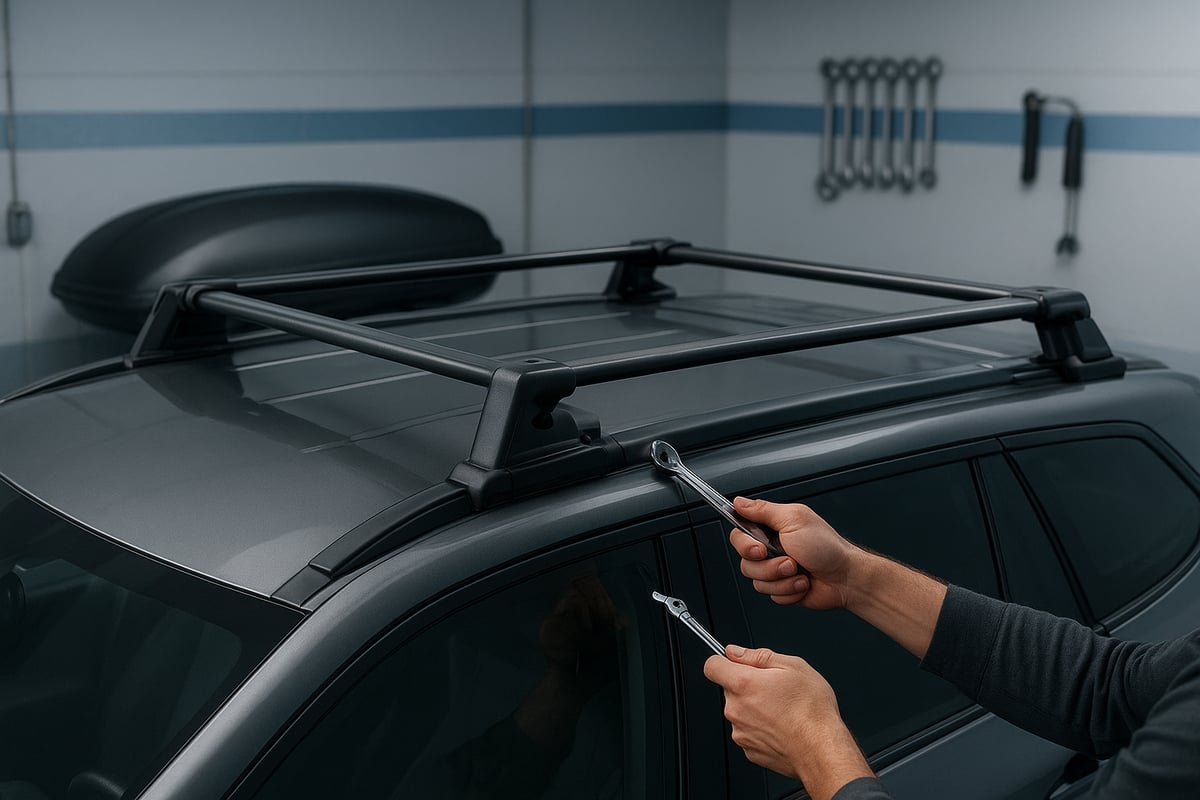
Pre-Installation Preparation
Before installing your universal roof rack, gather all required tools and hardware. Check the manufacturer’s instructions and fitment guides for your specific vehicle and rack model.
Clean the roof surface thoroughly. Dirt or debris can cause scratches and impact the fit. Inspect all rack parts for signs of damage or missing components, especially end caps, mounting feet, and locks.
Lay out your tools:
- Torque wrench
- Allen keys or hex wrenches
- Measuring tape
- Soft cloth for cleaning
Preparation ensures your universal roof rack will fit securely and protect your vehicle’s finish.
Chronological Installation Steps
Proper installation is essential for safety and performance. Follow these steps for a reliable setup:
- Position the mounting feet or clamps according to your vehicle’s roof type. Align them with the rails or door frames, following manufacturer guidance.
- Attach the crossbars to the mounting feet. Use a measuring tape to ensure they are evenly spaced and parallel.
- Secure the assembly with bolts or clamps. Tighten to the recommended torque specifications to prevent loosening during transit.
- Double-check the alignment and spacing of the crossbars. Ensure there is no overhang that could interfere with doors or the rear hatch.
- Install wind fairings or any additional accessories included with your universal roof rack. This reduces wind resistance and noise.
- Test the stability by gently shaking the rack. There should be no movement or rattling.
For example, installing a universal roof rack on a bare roof sedan involves using door frame clamps and checking for even crossbar placement. Always follow the instructions for your exact rack and vehicle combination.
A properly installed universal roof rack provides a solid foundation for your gear, whether you’re carrying bikes, luggage, or sporting equipment.
Loading and Securing Cargo
Once your universal roof rack is installed, load cargo with care. Distribute weight evenly across both crossbars to maintain balance and stability.
Use high-quality tie-downs, straps, or nets to secure items tightly. For kayaks or bikes, specialty holders can prevent shifting. Make sure nothing overhangs excessively or blocks your view.
Check that all straps are tight, and periodically re-check during long trips. If you’re carrying a kayak, consider a kayak holder for roof rack for extra security and convenience.
Properly secured cargo protects your load, your vehicle, and other road users.
Legal and Safety Considerations
Always review local regulations before using your universal roof rack. Most regions limit roof load and overhang. Insurance policies may require racks to be properly fitted and cargo correctly secured.
Adjust your driving: reduce speed, especially in high winds or with heavy loads. Periodic checks during travel help prevent shifting or loosening.
Refer to resources like the Calspan Roof Rack Safety Study for guidance on installation standards and safety best practices.
By staying informed and compliant, you reduce risk and ensure your universal roof rack experience is both safe and legal.
Maintenance, Troubleshooting, and Longevity Tips
Keeping your universal roof rack in top condition ensures safety, longevity, and value. Regular care not only protects your investment but also guarantees reliable performance, no matter the season or cargo load.
Regular Maintenance Checklist
A universal roof rack requires routine attention to maintain its durability and function. Begin with monthly inspections, focusing on all mounts and hardware for signs of wear or corrosion. Lubricate moving parts and locks to prevent sticking and rust.
After trips, especially those involving exposure to salt, mud, or chemicals, clean the rack thoroughly with mild soap and water. Always check the torque on bolts to confirm everything remains tight and secure.
Quick Maintenance Checklist:
- Inspect mounts, feet, and crossbars for cracks or rust
- Lubricate locks and moving parts monthly
- Clean after exposure to harsh elements
- Check torque and retighten bolts as needed
By following this schedule, your universal roof rack will continue to perform reliably throughout its lifespan.
Troubleshooting Common Issues
Common problems with a universal roof rack include wind noise, vibration, loose mounts, and surface rust. If you notice unusual noise, inspect for gaps between the rack and roof, and ensure all mounts are tightened to the manufacturer's specifications.
Vibrations often result from improper load distribution or unsecured crossbars. Adjust the cargo and recheck all connections. Address rust or deterioration by gently sanding affected areas and applying touch-up paint or protective coating.
Troubleshooting tips:
- For wind noise, add or adjust wind fairings
- Tighten any loose mounts or crossbars
- Treat rust spots promptly to prevent spreading
- Reposition cargo for balanced weight
Regular troubleshooting helps your universal roof rack stay safe and quiet on every journey.
Seasonal and Long-Term Care
Seasonal care is key for maximizing the life of your universal roof rack. Remove the rack when not in active use, which improves fuel economy and reduces wear. Store it in a dry, covered area to prevent corrosion and fading.
Before winter, check for trapped moisture or ice buildup. Remove snow promptly and avoid using harsh chemicals that may damage finishes. Preparing your universal roof rack for each season extends its usability and appearance.
Long-term care essentials:
- Remove and store racks off-season
- Clean and dry thoroughly before storage
- Inspect for damage before reinstalling
- Prepare for winter with de-icing and snow removal
A little seasonal effort goes a long way for your universal roof rack.
When to Replace or Upgrade Your Roof Rack
Knowing when to replace or upgrade your universal roof rack ensures continued safety and compatibility. Signs such as structural fatigue, visible cracks, or persistent rust mean it is time for a change. If your cargo needs have grown or you have purchased a new vehicle, consider a modern rack with higher capacity or advanced features.
Always review manufacturer recommendations and stay informed about how roof rack installation could impact your vehicle warranty. For more on this topic, read about the Chrysler Roof Rack Warranty Impact.
Stay alert to advances in universal roof rack technology, such as lighter materials or smart features, to ensure your setup remains efficient and secure.
Top Universal Roof Rack Models and Brands for 2026
Looking for the best universal roof rack in 2026? Choosing the right model means balancing innovation, fit, durability, and value. This section spotlights the leading brands, compares standout models, and breaks down pricing for every budget.
Leading Brands and Innovations
The universal roof rack market in 2026 is led by brands known for quality, adaptability, and innovation. VEVOR stands out for its robust steel racks with powder coating, offering exceptional corrosion resistance. CargoLoc remains a favorite for adjustable crossbars that accommodate a variety of rail types and widths, making them a true universal roof rack solution.
SKYSHALO and MALONE are recognized for their modular accessory options and user-friendly installation systems. WRIGHTMASTER appeals to commercial and fleet users with heavy-duty racks that support high weight capacities and offer advanced locking mechanisms.
Innovations for 2026 include dual-sided opening cargo boxes, integrated wind fairings, and eco-friendly construction materials. Many brands now offer racks with smart features such as tamper-resistant bolts and improved aerodynamic profiles for better fuel efficiency.
For those interested in cargo boxes, compatibility is key. If you want to explore models designed to work seamlessly with your universal roof rack, the Menabo Holiday roof boxes review provides in-depth insights into standout options for 2026.
Model Comparisons and Feature Highlights
When comparing universal roof rack models, focus on core specifications and unique selling points. The table below summarizes popular choices:
| Brand | Model Type | Material | Capacity (lbs) | Key Feature | Warranty |
|---|---|---|---|---|---|
| VEVOR | Crossbar/Basket | Steel | 800 | Rust-resistant | 2 years |
| CargoLoc | Crossbar | Aluminum | 150 | Adjustable width | 1 year |
| SKYSHALO | Basket/Bag | Steel/ABS | 250 | Cargo bag included | 2 years |
| MALONE | Crossbar/Box | Aluminum | 165 | Modular T-slots | Lifetime |
| WRIGHTMASTER | Commercial Rack | Steel | 600 | Locking system | 2 years |
VEVOR’s universal roof rack is ideal for heavy, commercial loads, while CargoLoc’s adjustable crossbars suit multi-vehicle households. SKYSHALO combines basket flexibility with weatherproof cargo bags, making it a go-to for outdoor enthusiasts. MALONE’s racks offer modularity, supporting a range of sports gear attachments. WRIGHTMASTER is the choice for businesses needing maximum security and load capacity.
User reviews highlight the ease of installation and durability as top factors. Home Depot’s top sellers frequently include these models, praised for their balance of price and performance.
Price Ranges and Value Analysis
Universal roof rack pricing in 2026 fits every budget. Basic crossbars start at $30–$100, offering simple functionality and easy transfer between vehicles. Mid-range options ($100–$300) deliver higher capacities, better materials, and added security features. Premium racks ($300+) include aerodynamic shapes, modular systems, and extended warranties.
Shoppers can expect universal roof rack models at each tier to offer specific benefits. Budget models are perfect for occasional users, while premium choices suit frequent travelers who demand top performance and longevity.
Expert Tips and Best Practices for Universal Roof Rack Owners
Whether you are a first-time user or a seasoned traveler, getting the most from your universal roof rack requires attention to detail and smart habits. By following expert tips, you can ensure safety, safeguard your gear, save on fuel, and adapt to changing needs. Let us explore the best practices every universal roof rack owner should know.
Maximizing Safety and Efficiency
Safety is the foundation of every successful journey with a universal roof rack. Before each trip, double-check the fitment and ensure all mounts are firmly tightened. Confirm that locks are engaged and hardware is secure. Always follow the manufacturer’s torque specifications, as loose mounts can result in dangerous shifting or detachment while driving.
Reduce your speed by 10 km/h when carrying heavy loads to maintain vehicle stability. Distribute cargo evenly across the universal roof rack, keeping heavier items centered. Never exceed the recommended weight capacity, and periodically recheck all fasteners during long trips.
A pre-trip checklist can help:
- Inspect all mounts and crossbars
- Test lock engagement
- Review load distribution
- Verify cargo is properly secured
These steps help prevent accidents and maximize the lifespan of your universal roof rack.
Enhancing Cargo Security and Protection
Protecting your cargo is as important as securing the universal roof rack itself. Use weatherproof covers and lockable cargo boxes to shield gear from rain or dust. Fragile items benefit from extra padding or soft cases to prevent damage during transit.
Anti-theft accessories, such as locking straps and tamper-resistant bolts, deter opportunistic thieves. Always park in well-lit areas and keep valuables out of sight. Choose racks with integrated lock systems for peace of mind.
Regularly inspect straps, nets, and tie-downs for signs of wear. Replace any damaged components promptly to avoid unexpected failures. With these practices, your universal roof rack will safeguard your gear wherever adventure takes you.
Improving Fuel Economy and Reducing Noise
An installed universal roof rack can affect fuel efficiency and create wind noise, especially at highway speeds. Removing the rack when not in use is the simplest way to restore your vehicle’s aerodynamics and save fuel. For frequent drivers who need the rack regularly, choose aerodynamic designs with low-profile bars and included wind fairings.
Wind fairings and rounded edges help deflect airflow, reducing noise inside the cabin. Studies show that properly designed racks can improve fuel economy by 2 to 10 percent compared to boxy, unshielded models. Always secure loose straps or accessories, as these can flap in the wind and add to drag.
Consider a maintenance routine to clean the rack and remove debris, which can also impact performance. With mindful use, your universal roof rack will let you travel farther with less noise and fuel expense.
Planning for Multi-Vehicle Use and Future Upgrades
Many families and businesses need a universal roof rack that works across multiple vehicles. Select racks with adjustable or modular systems, allowing you to adapt to different roof types or widths. Keep extra fitting kits on hand for each vehicle you plan to use.
Stay updated on new vehicle models and compatibility changes, especially as 2026 approaches. Track advances in universal roof rack technology, such as smart locks or eco-friendly materials. When considering an upgrade, look for modular racks that can accept a wider range of accessories or future attachments.
For those interested in versatile, multi-fit solutions, Alpine roof rack solutions offer options tailored to evolving needs. This ensures your universal roof rack investment remains valuable as your fleet or lifestyle grows.
As you plan your next adventure or organize your busy lifestyle, having the right universal roof rack can truly make all the difference—giving you flexibility, security, and peace of mind on the road. At CoolaLiving IE, we know that smart storage solutions are key not just for your vehicle but also for your home and garden. If you’re thinking about optimizing your outdoor space while upgrading your travel gear, you’ll love our selection of durable, weather resistant sheds. Take the next step in organizing your life by exploring our Free Delivery on your ECO Steel Garden Shed—the perfect complement to your universal roof rack setup.
Discover more from Coola Living Ireland
Subscribe to get the latest posts sent to your email.

