Unlock new adventures and make the most of your journeys with subaru forester roof rails. Whether you love outdoor escapes, family trips, or simply need extra cargo space, the right roof rails transform your Forester into the ultimate utility vehicle.
This guide delivers expert insights tailored for 2026 owners. Discover how to choose, install, and optimize roof rails for every adventure.
Explore the latest rail types, compatibility tips, step-by-step installation, safety guidelines, accessory recommendations, and essential maintenance. Take the first step toward maximizing your Forester’s potential today.
Understanding Subaru Forester Roof Rails: Types and Features
Unlocking the versatility of your Subaru Forester starts with understanding its roof rails. Whether you are planning a family road trip or gearing up for an adventure, selecting the right subaru forester roof rails can make all the difference. Let us explore the options available and the features that set the 2026 Forester apart.
Overview of Roof Rail Types
Subaru Forester roof rails come in various configurations, each designed to suit different needs. Factory-installed rails are tailored to the vehicle, ensuring seamless fit and integration. Aftermarket rails offer more customization, often with unique styles or load capacities.
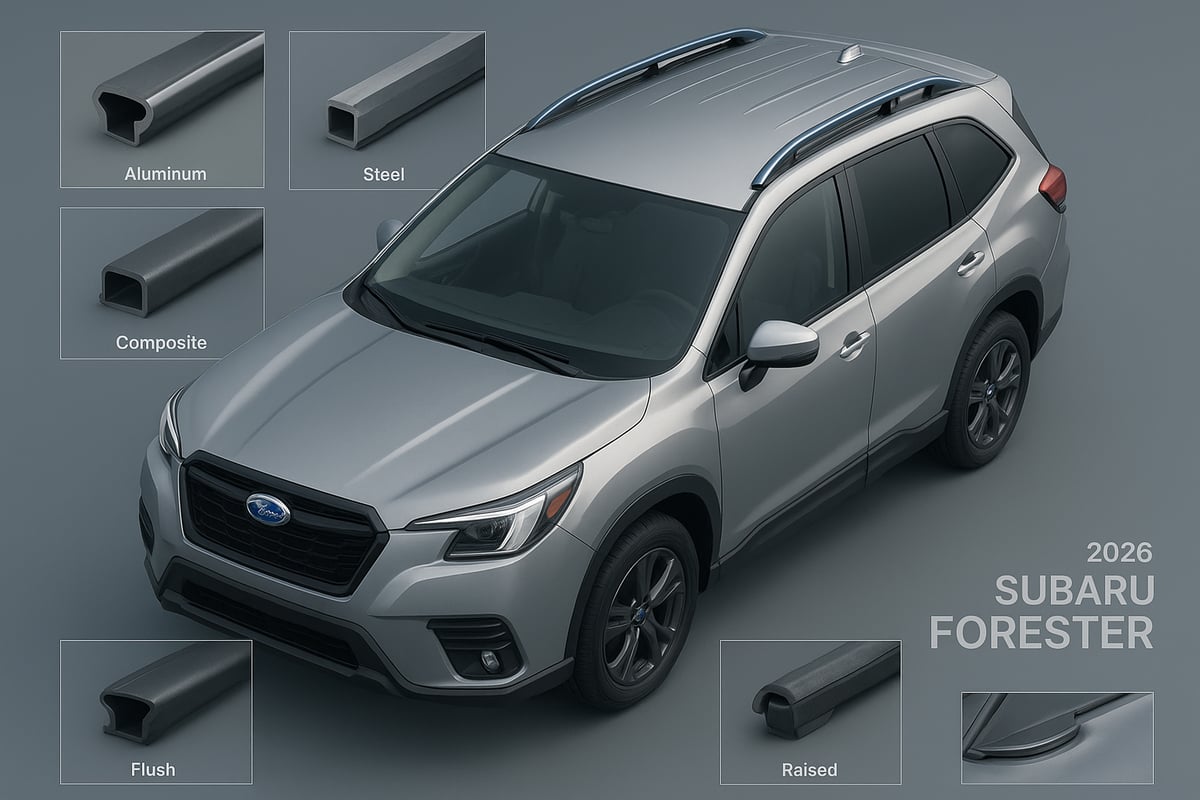
The two main styles are raised and flush rails. Raised rails stand above the roof, making it easier to attach accessories, while flush rails sit closer for a sleeker look and improved aerodynamics. For a detailed comparison, see this flush and raised rail bars guide. Both types support crossbars, which are essential for mounting cargo boxes, bike racks, or kayak carriers.
Materials matter when choosing subaru forester roof rails. Aluminum is lightweight and resistant to rust, steel offers strength but adds weight, and composite materials provide a balance of durability and style. Each material has advantages depending on your intended use and climate.
Weight capacity is another critical factor. Most subaru forester roof rails offer dynamic load limits between 68 kg and 100 kg, depending on rail type and material. Aerodynamic design reduces wind resistance, helping maintain fuel efficiency. For 2026 models, color and finish options include matte black, silver, and custom coatings to match your Forester's personality.
Key Features of 2026 Subaru Forester Roof Rails
The 2026 subaru forester roof rails have been engineered for enhanced durability and all-weather performance. Improved corrosion resistance ensures longevity, even in harsh Irish conditions. Integration with Subaru EyeSight and advanced safety systems means the rails do not interfere with sensors or cameras, keeping safety uncompromised.
Upgraded locking mechanisms are standard, providing theft deterrence for your roof-mounted gear. Streamlined installation points make DIY fitting more accessible, with clear guides included for owners. These rails are compatible with a wide range of crossbars and accessories, allowing you to customize your setup based on travel or sport needs.
A comparison of OEM and third-party options shows that Subaru’s original rails often include a longer warranty and guaranteed compatibility with factory accessories. Third-party rails may offer unique features or styles but always check warranty terms before purchasing.
Subaru forester roof rails for 2026 models are designed not only for function but also to complement the vehicle’s aesthetic. With modern finishes and thoughtful engineering, they deliver both style and practicality for every journey.
Compatibility and Choosing the Right Roof Rails for Your 2026 Subaru Forester
Unlocking the full utility of your 2026 Forester starts with choosing the right subaru forester roof rails. Compatibility is crucial, as the correct rails ensure safety, secure mounting, and optimal use of accessories. Let’s break down how to check fitment, select the best option for your needs, and shop with confidence.
Checking Compatibility
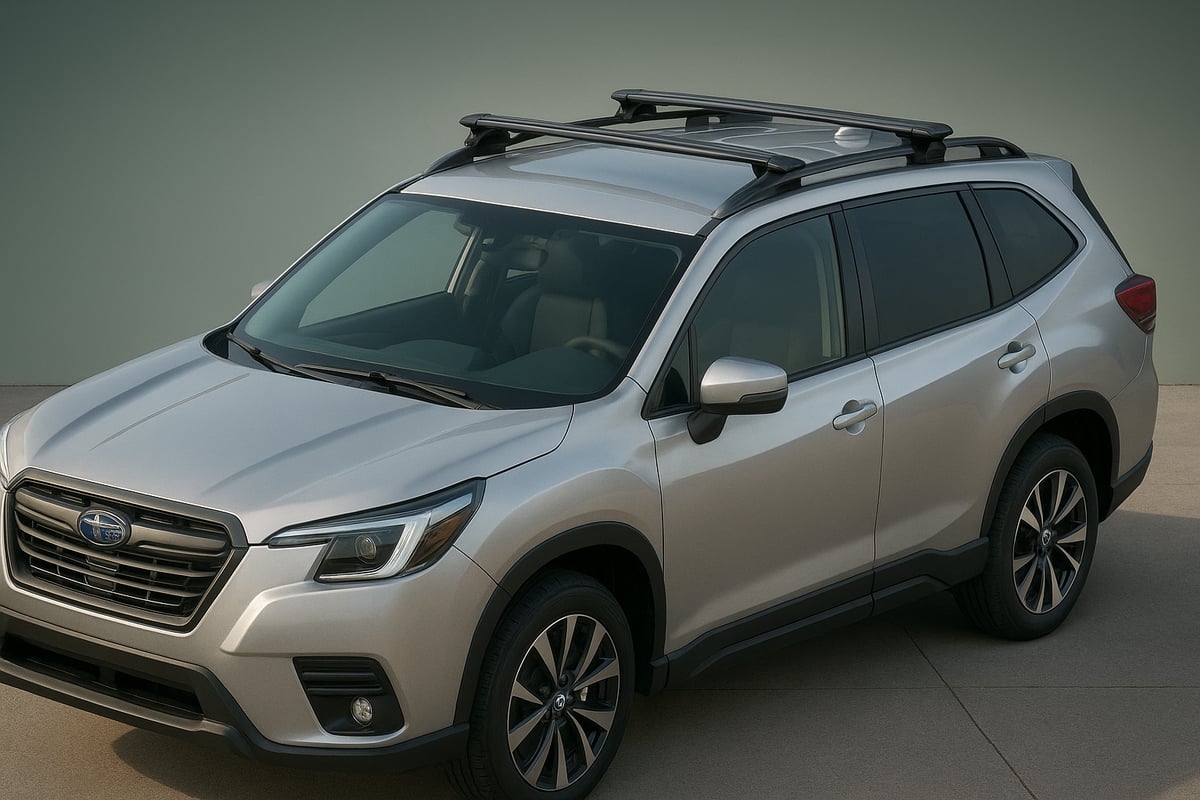
Before purchasing subaru forester roof rails, inspect your vehicle’s roof for factory mounting points. The 2026 Forester typically features pre-set attachment spots, often hidden beneath protective covers. These positions differ between trim levels. For instance, higher trims like the Premium or Limited may come with rails already installed, while base models require aftermarket solutions.
To confirm compatibility, check your Forester’s documentation for OEM part numbers or use Subaru’s official fitment guides. Not all accessories for previous models will fit the 2026 version, as subtle changes in roof design and attachment hardware can impact fit. Comparing the 2025 and 2026 roof rail systems reveals updates in mounting geometry and locking mechanisms.
If you’re unsure, consult resources such as the Subaru Forester Roof Rail Compatibility guide, which explains the need for separate crossbars and highlights common compatibility pitfalls. Always double-check accessory requirements, especially if reusing older racks or boxes.
Selecting the Ideal Roof Rails
Understanding how you intend to use your subaru forester roof rails is essential. Start by listing expected cargo: bikes, kayaks, cargo boxes, or skis. Each accessory may require specific rail heights, crossbar widths, or weight capacities. For instance, raised rails offer more clearance for clamps, while flush rails create a sleeker look but may limit accessory types.
Next, match your rails to crossbar and accessory brands. Many owners prefer OEM rails for assured fit and warranty coverage, yet reputable aftermarket brands offer broader style and budget options. Consult compatibility tables from Subaru and trusted third-party suppliers for key dimensions and load ratings.
Review customer feedback on forums and retailer sites for real-world fitment examples. Budget also plays a vital role: OEM rails generally range from €250–€400, while aftermarket options can be more affordable, but always verify durability and warranty terms. Prioritize rails that meet your cargo and safety needs without exceeding your budget.
Where to Buy and What to Look For
When buying subaru forester roof rails, choose authorized Subaru dealers or established aftermarket suppliers known for quality and service. Purchasing from the dealership guarantees genuine parts, direct fit, and comprehensive warranty support. However, many reputable online retailers also offer certified rails, often at competitive prices.
Watch for red flags such as counterfeit rails, subpar materials, or vague product descriptions. Reliable suppliers provide clear fitment charts, return policies, and customer support. Always verify warranty coverage—OEM rails typically include a manufacturer warranty, while aftermarket products may vary.
Before finalizing your purchase, cross-reference the rail model with your vehicle’s VIN and trim level. This prevents costly mistakes and ensures your subaru forester roof rails deliver both performance and peace of mind.
Step-by-Step Installation Guide for Subaru Forester Roof Rails
Getting the most from your subaru forester roof rails starts with a proper installation. Whether you are a seasoned DIYer or a first-timer, careful preparation and attention to detail ensure a secure fit for all your adventures. This guide breaks down each stage, so you can confidently upgrade your Forester for any journey.
Preparation and Tools Needed
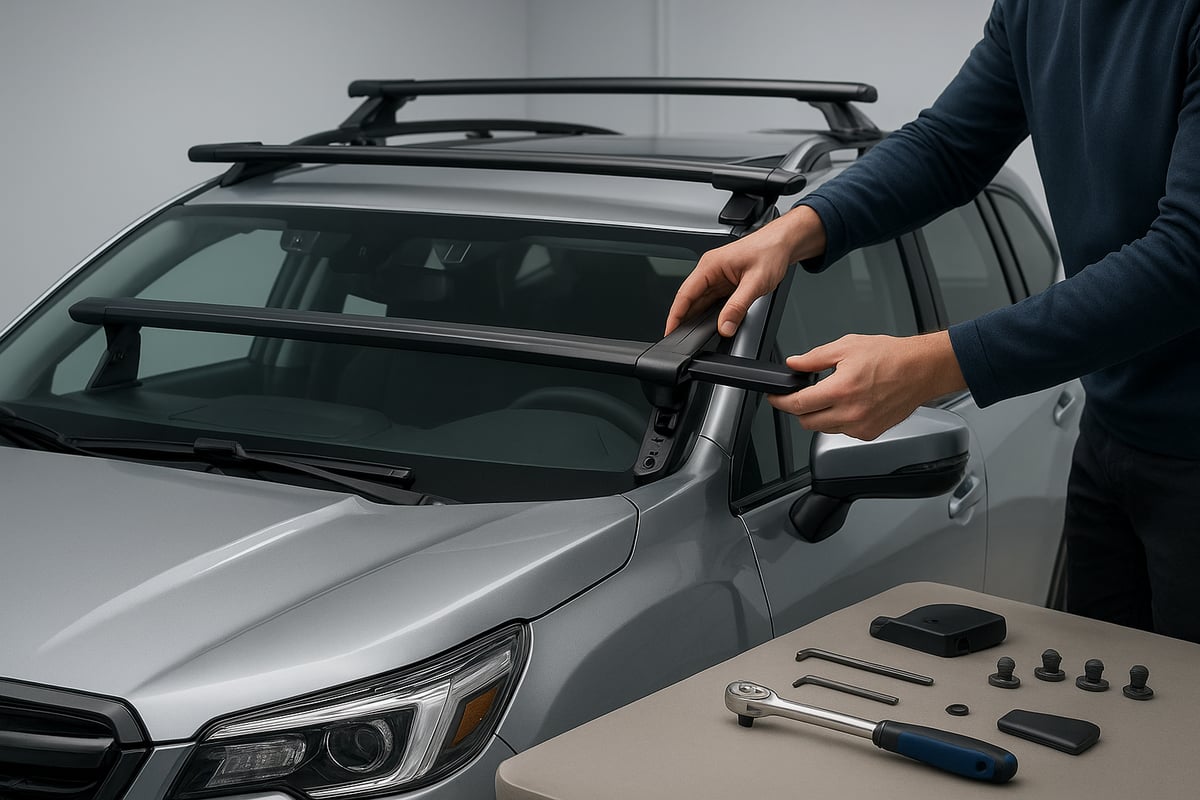
Before you begin installing subaru forester roof rails, gather all the necessary tools and set up a safe workspace. A proper setup minimizes mistakes and speeds up the process.
Required Tools:
- Torque wrench (essential for precise tightening)
- Phillips and flathead screwdrivers
- Socket set
- Trim removal tool
- Measuring tape
- Clean microfiber cloths
Safety Precautions:
- Park your Forester on a flat, stable surface.
- Engage the parking brake.
- Use a step stool or sturdy ladder for easy access to the roof.
- Wear gloves to protect your hands from sharp edges.
Inspect your vehicle’s roof and mounting points for any existing damage or debris. Cleaning the area with a damp cloth ensures a solid, rust-free connection for your subaru forester roof rails. Double-check you have the correct rail kit for your Forester’s trim and model year. Lay out all components to verify that nothing is missing before starting the installation.
Installation Steps (Chronological)
With your tools ready, follow these steps for a seamless installation of subaru forester roof rails. Always consult your Forester’s manual for specific torque values and mounting positions.
Step-by-Step Process:
- Unpack and Identify Components: Lay out all parts, including rails, brackets, bolts, end caps, and crossbars.
- Clean and Prep the Mounting Surface: Wipe the roof and mounting channels to remove dirt or residue.
- Attach Mounting Brackets: Align brackets with factory-drilled holes, ensuring a flush fit.
- Secure Rails to Brackets: Position the rails over the brackets and insert bolts, tightening them by hand at first.
- Torque Bolts: Using a torque wrench, tighten all bolts to the manufacturer’s recommended settings.
- Install End Caps: Snap or screw end caps into place to cover exposed hardware.
- Test Fit Crossbars and Accessories: Attach crossbars and any planned accessories to confirm alignment and clearance.
For detailed diagrams and official torque specifications, refer to the Subaru Forester Roof Rail Installation Guide. This resource provides step-by-step visuals and tips tailored for the 2026 Forester.
After installation, gently shake the rails to check for movement. Inspect all fasteners and mounting points. Re-torque bolts after your first road trip to ensure everything remains secure.
Common Installation Challenges and Solutions
Even with careful planning, you may encounter a few challenges while installing subaru forester roof rails. Here are common issues and practical solutions to keep your project on track:
Misaligned Mounting Holes:
If holes do not line up, double-check the part numbers and confirm the rails are designed for your Forester’s year and trim. Loosely attach all bolts first, then align before final tightening.
Preventing Roof Leaks and Rust:
Use only the supplied hardware and rubber gaskets. Avoid overtightening, which can deform seals. After installation, apply a thin layer of automotive sealant around mounts if recommended in the instructions.
Troubleshooting Noise or Vibration:
If you notice whistling or rattling, confirm that all bolts are torqued correctly and that end caps are fully seated. Aerodynamic crossbars or wind fairings can further reduce noise from your subaru forester roof rails.
When to Seek Professional Installation:
If you lack the required tools or feel unsure at any step, consult a certified Subaru technician. Professional installation guarantees warranty coverage and peace of mind.
By following these steps and tips, you can confidently install subaru forester roof rails and prepare your vehicle for safe, reliable cargo adventures.
Maximizing Load Safety and Efficiency: Weight Limits, Loading Tips, and Legal Considerations
Transporting gear on your subaru forester roof rails opens up new adventures, but safety and efficiency must always come first. Understanding the limits and best practices ensures you maximize every journey without risk. Let’s break down the essentials for safe and legal loading in 2026.
Roof Rail and Crossbar Weight Ratings
Every set of subaru forester roof rails is engineered with specific weight limits in mind. The 2026 Forester’s official dynamic roof load (while driving) is typically around 75 kg, and static load (when parked) can be higher, accommodating rooftop tents or heavier cargo. Always check your model’s rating in the 2026 Subaru Forester Owner’s Manual for precise numbers.
Static vs. Dynamic Loads:
| Type | Typical Limit (kg) | Use Case |
|---|---|---|
| Dynamic (moving) | 75 | Everyday driving loads |
| Static (parked) | 150 | Rooftop tents, stationary gear |
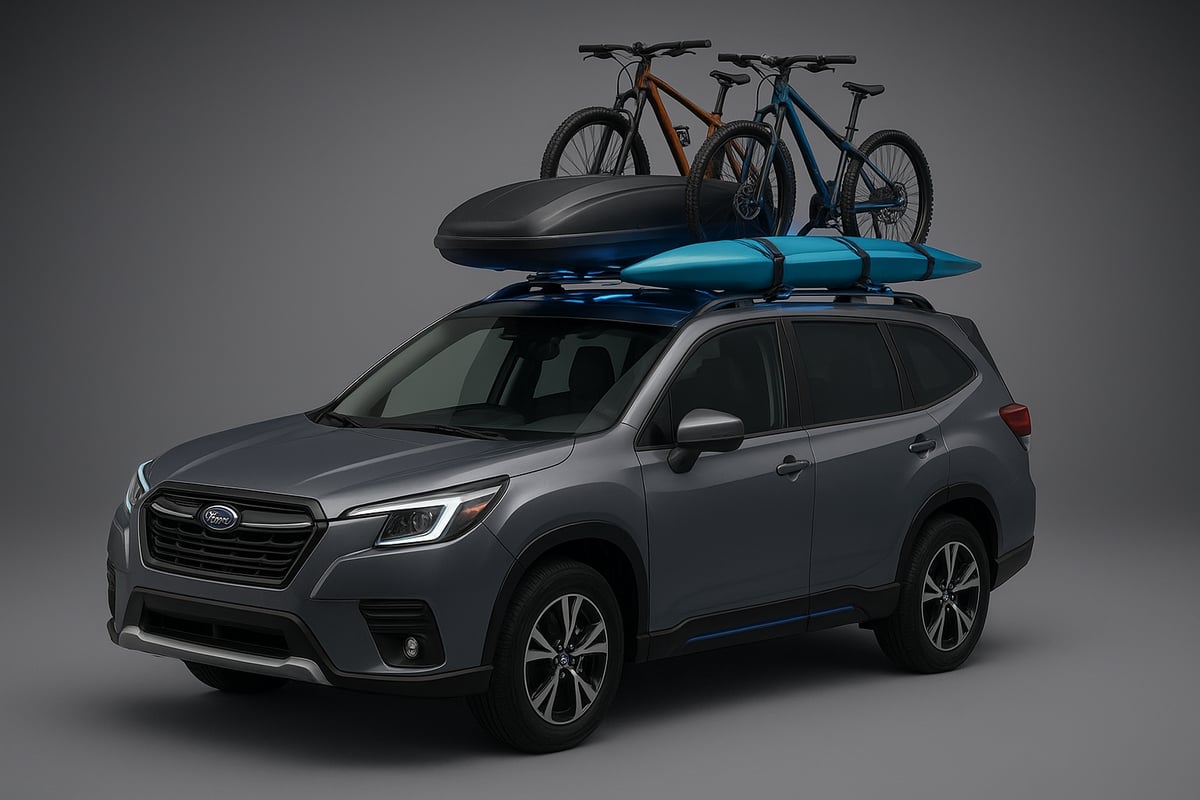
Aftermarket rails may claim higher capacities, but always use the lowest rated component between rails, crossbars, and mounting points. Exceeding these limits can damage your subaru forester roof rails or affect driving safety. In real-world terms, this means a loaded cargo box or two bikes is often safe, but an overloaded rack risks both your gear and your vehicle.
Loading Tips for Safety and Efficiency
To keep your subaru forester roof rails performing optimally, follow a few essential loading strategies. Evenly distribute weight across both rails and crossbars, balancing side-to-side and front-to-back to maintain vehicle stability. Secure each item using high-quality straps, tie-downs, or anti-slip mats to prevent shifting during transit.
Best Practices for Loading:
- Place heavier items closer to the vehicle’s center
- Use aerodynamic accessories to cut wind resistance and noise
- Double-check all fasteners before every trip
Overloading the subaru forester roof rails can result in poor handling, increased fuel consumption, or even insurance claim denials. Always account for the combined weight of accessories and cargo. Use crossbars designed for your rail type, ensuring compatibility and secure fitment. Regularly inspect for loose or damaged parts, especially after long trips.
Legal and Insurance Considerations
Irish and EU laws set clear rules for roof loads regarding height, width, and weight. Your subaru forester roof rails must never carry more than the legal or manufacturer-specified limits. Loads should not protrude dangerously, and all items must be properly secured to avoid penalties or liability in an accident.
Insurance policies often require that roof-mounted cargo be within official load ratings and securely attached. Non-compliance can lead to denied claims or hefty fines. Always keep receipts and documentation for your rails and accessories in case of inspection.
Staying within the legal boundaries ensures your adventures with subaru forester roof rails remain safe and stress-free. Periodically review local regulations and your insurance policy to avoid surprises, keeping every journey legal and worry-free.
Top Accessories and Upgrades for Subaru Forester Roof Rails in 2026
Unlocking the full potential of your subaru forester roof rails begins with the right accessories and upgrades. Whether you are planning a family road trip, a mountain adventure, or need extra space for daily utility, the right add-ons can transform your Forester into a versatile, adventure-ready vehicle.
Popular Accessories for Adventure and Utility
The most popular accessories for subaru forester roof rails in 2026 cater to a variety of lifestyles and travel needs. Cargo boxes remain a top choice for expanding storage, with leading brands offering models that fit perfectly with the Forester’s roof profile. These boxes provide weatherproof security for camping gear or luggage.
Bike racks and kayak carriers are essential for outdoor enthusiasts. Compatibility is key, so consider universal roof rack options that fit a range of accessories and cargo shapes. Roof baskets and trays are ideal for oversized or irregular items, while ski and snowboard carriers offer seasonal flexibility, keeping wet gear separated from your interior.
Choosing accessories specifically designed for subaru forester roof rails ensures a snug fit and safe transport. Always check weight limits and mounting requirements for each accessory.
Upgrading Crossbars and Attachment Systems
Upgrading the crossbars on your subaru forester roof rails can significantly enhance both load capacity and aerodynamics. Aerodynamic crossbars reduce wind resistance and noise, making for a quieter drive, while heavy-duty crossbars are built for maximum payload, ideal for heavier cargo boxes or multiple bikes.
Look for quick-release and integrated locking systems for added convenience and security. Many top brands offer accessory-specific mounting kits, ensuring stable attachment for everything from kayak cradles to rooftop tents.
When choosing upgrades, prioritize compatibility with your subaru forester roof rails and any accessories you plan to use. Assess whether you need versatility for swapping out different gear, or a permanent setup for a specific adventure style.
Tech and Smart Accessories
As technology advances, subaru forester roof rails are now compatible with a growing range of smart accessories. Integrated lighting solutions make loading and unloading at night safer and more efficient. LED bars and spotlights can be mounted directly to the rails for better visibility during camping or off-road excursions.
GPS and camera mounts are gaining popularity among overlanding enthusiasts, enabling hands-free navigation and trip recording. Some systems even offer wireless charging docks for action cameras or smartphones, streamlining your adventure setup.
When adding tech accessories, always ensure they are securely mounted to your subaru forester roof rails and do not interfere with other gear or vehicle safety systems.
Real-World User Recommendations
Forester owners often share valuable insights about the best accessories for subaru forester roof rails. According to user forums, the highest-rated cargo boxes combine ample storage with easy installation. Bike racks that offer tool-free attachment and anti-theft locks are particularly popular.
Kayak carriers with padded cradles and quick tie-downs earn praise for their stability and ease of use. Roof baskets with modular add-ons, like light brackets or high walls, receive strong recommendations for versatility.
Before purchasing, read user reviews and installation tips to ensure your chosen accessories will meet your needs and complement your subaru forester roof rails setup.
Maintenance, Care, and Troubleshooting for Roof Rails
Keeping your subaru forester roof rails in top condition ensures safety, longevity, and maximum utility for every adventure. Regular care protects your investment from the unpredictable Irish climate and daily wear. With a few simple habits, you can prevent most common issues and keep your roof rails performing like new.
Routine Maintenance Tasks
Routine care for subaru forester roof rails starts with cleaning. Use a gentle automotive shampoo and a soft brush to remove dirt and salt buildup, especially after driving in coastal areas or during winter. Rinse thoroughly and dry with a microfiber cloth to prevent water spots and corrosion.
Inspect your subaru forester roof rails for any signs of rust, chipped paint, or loose fittings. Pay close attention to mounting points and hardware, as these areas are most vulnerable to moisture intrusion. Tighten all bolts and screws with the correct tools, following Subaru’s recommended torque values.
Lubricate moving parts and locks every few months using a silicone-based spray. This prevents sticking and ensures smooth operation, particularly in damp Irish weather. Always check for debris or buildup that could interfere with crossbar attachments or accessory mounting.
By following these steps, you extend the life of your subaru forester roof rails and maintain their appearance and function year-round.
Troubleshooting Common Issues
Even well-maintained subaru forester roof rails can develop minor problems over time. Rattles or whistles often occur when fasteners become loose or if accessories are improperly installed. Tighten all fittings and reposition mounts to eliminate noise. Wind noise can also result from worn or misaligned end caps.
Paint scratches or small dents are common, especially if loading bikes or roof boxes. Touch up paint can address minor blemishes, while deeper damage may require professional attention. Replace any worn or broken components promptly to avoid further issues.
Here’s a quick troubleshooting table:
| Issue | Cause | Solution |
|---|---|---|
| Rattle/Noise | Loose hardware | Retighten, check alignment |
| Wind Whistle | Damaged end caps | Replace end caps |
| Rust/Corrosion | Salt, moisture buildup | Clean, treat, repaint if needed |
If you notice persistent problems or structural damage, consider upgrading to a new set like the Raised roof bars Sherman XL, which offer improved durability and fit for vehicles like the Subaru Forester.
Seasonal Considerations
Seasonal changes in Ireland require extra attention for subaru forester roof rails. Before winter, thoroughly clean rails to remove old grime, then apply a protective wax or sealant. This shields against road salt and moisture, which can accelerate corrosion.
During snowy months, regularly clear ice and snow from rails and mounting points. Avoid using sharp tools that could scratch the finish. If you’re storing accessories off-season, clean and dry them before placing in a dry, sheltered area to prevent rust.
To further extend the lifespan of your subaru forester roof rails, follow manufacturer-recommended routines and consult Subaru service technicians for advanced care. Their expertise helps prevent long-term damage and ensures your rails are always ready for your next journey.
Frequently Asked Questions About Subaru Forester Roof Rails
Curious about Subaru Forester roof rails for the 2026 model? Here are answers to the most common owner questions, designed to help you get the most out of your Forester’s versatility and adventure-ready features.
Can I install roof rails myself or do I need a professional?
Many Subaru Forester owners choose to install roof rails themselves, especially with user-friendly designs on 2026 models. Subaru provides clear instructions, and most installations require basic tools like a torque wrench and screwdrivers. If you are comfortable with DIY projects and follow the guidelines carefully, self-installation is achievable.
However, if you encounter alignment issues or prefer peace of mind, a professional installer can ensure your subaru forester roof rails are fitted securely and maintain warranty coverage. Remember, correct installation is critical for safety and performance.
How do I know if my load is within the safe weight limit?
Always check your owner’s manual for the official weight ratings. For 2026 Subaru Forester roof rails, the dynamic (driving) load is typically around 75 kg, while the static (parked) load can be higher. Add up the weight of your crossbars, accessories, and cargo, ensuring the total does not exceed these limits.
Exceeding the recommended capacity can affect vehicle handling and risk damage. When in doubt, consult your Subaru dealer or refer to the 2026 Subaru Forester Review for expert insights on load guidelines.
Are aftermarket rails as reliable as OEM options?
High-quality aftermarket rails can match OEM reliability if sourced from reputable brands. Look for products with solid warranty coverage, robust materials, and positive customer reviews. Subaru’s OEM rails are designed for perfect fitment and integration with safety systems, while some aftermarket options offer more styles and features for subaru forester roof rails.
Avoid counterfeit or low-quality rails, as these may not meet safety standards or could void your warranty. Research thoroughly before purchasing to ensure long-term satisfaction.
Will roof rails affect my fuel economy?
Adding subaru forester roof rails, especially with crossbars and cargo, can slightly reduce fuel efficiency due to increased aerodynamic drag. The impact is minor with empty rails, but larger accessories like roof boxes or baskets create more wind resistance. Modern rail designs aim to minimize this effect with streamlined profiles.
For detailed fuel economy analysis and design updates, see the 2026 Subaru Forester Review. Removing crossbars when not in use helps maximize efficiency.
How do I prevent theft of roof-mounted cargo?
To deter theft, always use locking mechanisms on your subaru forester roof rails and accessories. Many OEM and premium aftermarket rails include integrated locks. Choose accessories with secure attachment points and consider cable locks for extra protection.
Park in well-lit or monitored areas when possible. Regularly check that all locks and fasteners are engaged before leaving your vehicle.
What’s the best way to clean and maintain my rails?
Clean your subaru forester roof rails with mild soap and water, rinsing away road salt and debris. Periodically inspect for rust, corrosion, or loose hardware, especially after winter or off-road use. Lubricate moving parts and locks annually to keep them operating smoothly.
A simple maintenance routine extends the life and appearance of your rails, ensuring safe adventures year-round.
Can I transfer rails from an older Forester to a 2026 model?
In most cases, roof rails from previous Forester generations will not fit the 2026 model due to changes in mounting points and body design. Always verify compatibility using Subaru’s official fitment guides. If you upgrade your Forester, invest in rails specifically designed for the new model to guarantee a secure fit and maintain warranty coverage for your subaru forester roof rails.
What are the best accessories for family road trips?
Popular choices include cargo boxes, bike racks, kayak carriers, and roof baskets. For adventure seekers or families, the Pickup kayak rack guide offers valuable advice on choosing the right rack for your subaru forester roof rails. Always select accessories that match your crossbars and meet official weight guidelines.
User reviews and owner forums can help you find the best-rated products for your needs. Look for quick-release features and weather-resistant finishes for added convenience.
As you explore the best ways to equip your 2026 Subaru Forester for every journey, remember that keeping your outdoor gear organised at home is just as important as choosing the right roof rails. At CoolaLiving, we understand how essential secure storage is—whether for your vehicle or your garden. If you are planning new adventures and need a reliable place to store bikes, kayaks, or travel accessories when not in use, why not check out our quality steel sheds? You can enjoy Free Delivery on your ECO Steel Garden Shed and keep all your essentials safe, dry, and ready for your next outing.
Discover more from Coola Living Ireland
Subscribe to get the latest posts sent to your email.