Timber sheds have become the go-to solution for eco-conscious homeowners seeking flexible and attractive storage in 2025. With so many options available, choosing, installing, and maintaining timber sheds can feel overwhelming. This handbook promises to guide you through each step, making it easy to select, build, and care for your ideal shed. Inside, you'll find up-to-date advice on shed types, choosing the right model, planning and installation, customization ideas, maintenance tips, and solutions for common issues. Use this guide to make confident, informed decisions and create the perfect timber shed for your needs.
Understanding Timber Sheds: Types, Materials & Benefits
Timber sheds are a staple of Irish gardens, offering a blend of natural beauty and practical storage. Unlike plastic or metal alternatives, timber sheds provide insulation and a warm, traditional look that complements any outdoor space.
What Defines a Timber Shed?
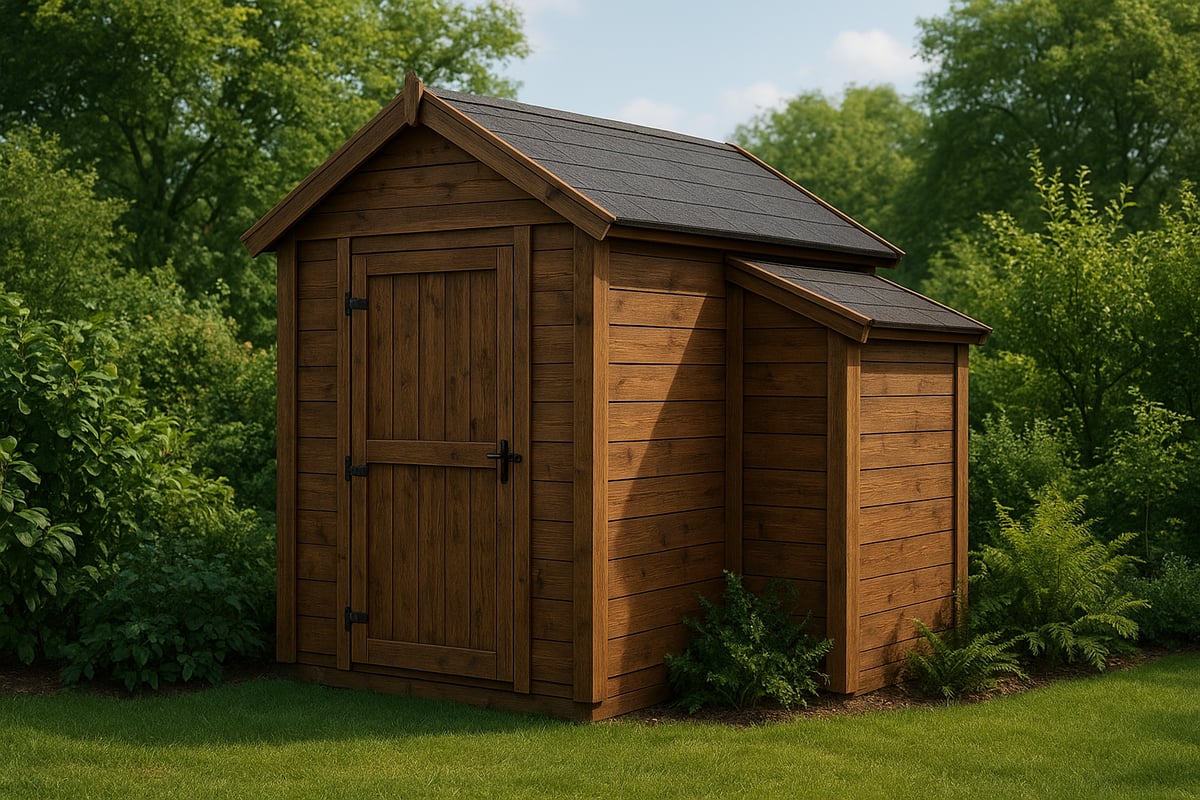
A timber shed stands out for its organic appeal and versatility. Compared to metal or plastic sheds, timber sheds offer superior natural insulation and a classic, rustic look.
Design choices abound. Apex sheds feature a dual-pitched roof for extra headroom, while pent roofs provide a modern, single-slope profile. Corner and potting sheds are tailored for tight spaces or gardening needs.
Timber sheds adapt to various uses, from garden storage to hobby workshops, making them a flexible addition to any property.
Types of Timber Used in Sheds
Choosing the right wood is crucial for the longevity and performance of timber sheds. The most popular options include:
| Timber Type | Pros | Cons |
|---|---|---|
| Pressure-Treated Pine | Affordable, rot-resistant | May have green tint |
| Cedar | Naturally rot-resistant, aromatic | Higher cost |
| Spruce | Light, easy to work with | Less durable outdoors |
| Larch | Durable, attractive grain | Limited availability |
Pressure-treated timber lasts longer and needs less frequent maintenance compared to untreated wood. Cedar is prized for its resistance to rot and insects, while spruce is budget-friendly but requires more upkeep. Larch combines beauty with strength, ideal for premium timber sheds.
Timber Shed Construction Styles
Construction style impacts the durability and weatherproofing of timber sheds. Panel construction offers quick assembly and affordability, but may lack the tight weather seals of tongue-and-groove designs.
Tongue-and-groove construction interlocks boards for superior strength and moisture resistance, making it the leading choice in the Irish market. Framing methods, such as thicker framing timbers, boost stability and shed lifespan.
In Ireland, tongue-and-groove timber sheds are especially popular for their resilience against the damp climate and their robust, long-lasting build.
Key Benefits of Timber Sheds
Timber sheds are valued for their sustainability, as timber is a renewable material that stores carbon. Customizability is another advantage, with sheds easily painted, expanded, or upgraded to suit changing needs.
Natural insulation keeps the interior usable throughout the year, whether for storage or as a workspace. In 2024, timber sheds made up 40% of shed sales in Ireland, underscoring their widespread appeal.
The eco-friendly nature of timber sheds aligns with growing interest in sustainable construction. For more on timber’s market growth and green potential, see Timber sector growth opportunities.
Common Drawbacks and How to Mitigate Them
While timber sheds offer many advantages, they are susceptible to rot, pests, and weathering if not cared for properly. Pressure treatment and regular maintenance are essential for longevity.
Proper site selection, such as choosing well-drained ground, also helps prevent moisture issues. Compared to steel sheds, timber sheds require more frequent upkeep, but routine care can minimize problems and extend the shed’s life.
Simple steps like annual re-treatment and prompt repairs can keep timber sheds looking and functioning at their best.
Timber Shed Trends for 2025
In 2025, timber sheds are evolving to meet modern demands. Modular and insulated designs are gaining popularity, allowing homeowners to adapt sheds for multiple uses.
Sustainable timber sourcing and eco-certifications are now priorities for buyers. Many timber sheds are being integrated with smart features, such as solar-powered lighting and remote security systems.
These trends reflect a shift towards environmentally conscious, high-performance timber sheds that blend seamlessly with the smart, sustainable Irish garden.
Choosing the Right Timber Shed for Your Needs
Selecting the perfect timber sheds for your property is a process that combines practicality, planning, and personal preference. By following a structured approach, you will ensure your investment meets both your current and future needs.
Assessing Your Storage and Usage Requirements
Begin by clarifying how you intend to use timber sheds. Are you storing gardening tools, bicycles, or planning a workshop or home office? Your answer will directly influence the size and features you require.
Consider these typical uses and recommended minimum sizes:
- Tools and small equipment: 6×4 ft
- Bikes or lawnmowers: 8×6 ft
- Workshop or office: 10×8 ft or larger
Factor in future needs, as timber sheds often become more useful over time. A shed that seems ample today might feel cramped next year.
Site Selection and Preparation
Choosing the right spot for timber sheds is critical for longevity and ease of use. Look for areas with good sunlight, natural drainage, and convenient access. Avoid low-lying spots prone to pooling water, as this can accelerate timber decay.
A level base is essential. Options include concrete slabs, paving slabs, or timber bearers. For a comprehensive guide on shed bases, see Bases and foundations for sheds. Remember, 75% of shed issues are linked to poor site preparation, so take your time to get this step right.
Check local regulations regarding setbacks and boundaries before finalizing your location.
Comparing Shed Shapes and Roof Styles
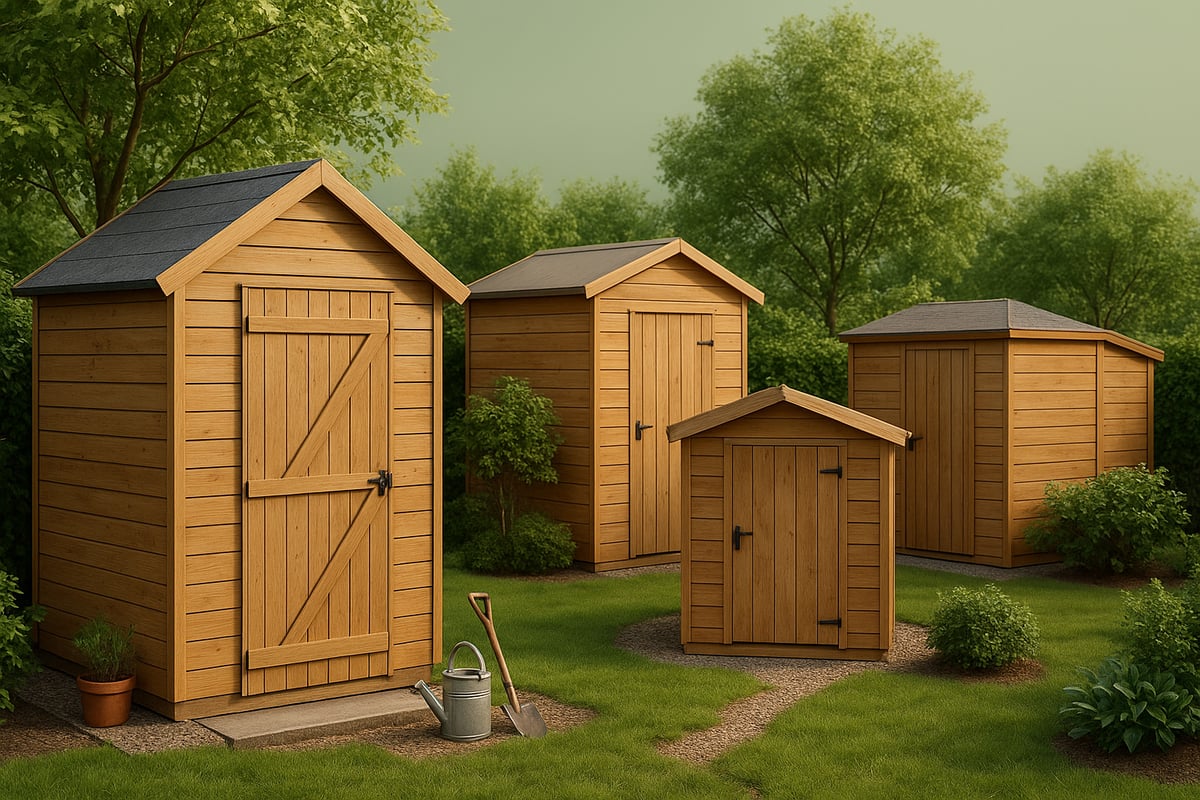
Timber sheds come in several shapes and roof designs, each with unique benefits. Apex roofs provide more headroom and are ideal for storing tall items, while pent roofs offer a modern look and suit spaces near fences or walls.
Corner sheds maximize small gardens, and lean-to models fit snugly against existing structures. Your choice should reflect both your storage needs and the available space in your garden.
Use a visual guide or table to compare roof styles if you are uncertain about what will work best.
Evaluating Timber Quality and Treatments
The quality of timber sheds depends on the wood type, thickness, and treatments used. Look for FSC certification to ensure responsible sourcing, and choose pressure-treated timber for enhanced resistance to rot and insects.
Signs of poor-quality timber include visible knots, warping, and inconsistent coloring. Pressure-treated timber sheds can last up to 20 years with proper care, making them a smart long-term investment.
Always inspect product specifications and ask for treatment details before purchasing.
Budgeting and Cost Considerations
Timber sheds are available at various price points. Entry-level models may start at €400, mid-range at €800, and premium options can exceed €2,000.
Be sure to account for hidden costs:
- Delivery and installation
- Additional treatments or weatherproofing
- Accessories such as shelving or security
In comparison, metal and plastic sheds may be cheaper upfront but may not match the insulation or customizability of timber sheds. Review current timber price trends to inform your budget.
Planning Permissions and Local Regulations
Planning permission for timber sheds in Ireland is typically not required for structures under 25m², but always confirm with your local authority. Restrictions may apply regarding height, proximity to boundaries, and usage.
For example, a shed used as a home office may need additional permissions. Keep records of all correspondence with planning offices for future reference.
Understanding these rules will help you avoid costly mistakes or forced removals.
Where to Buy Timber Sheds in Ireland
Purchase timber sheds from reputable retailers or established local brands. Look for:
- Transparent warranties and after-sales support
- Options to view sheds in person or detailed online galleries
- Clear delivery and installation policies
Ask about customization, pressure treatment options, and customer service responsiveness. A trusted supplier will guide you throughout the process, ensuring your timber sheds meet every expectation.
Planning, Building, and Installing Your Timber Shed: Step-by-Step
Building timber sheds is a rewarding project that adds both value and function to your outdoor space. This step-by-step guide will walk you through every stage, ensuring your timber sheds are solid, weatherproof, and ready for years of reliable use.
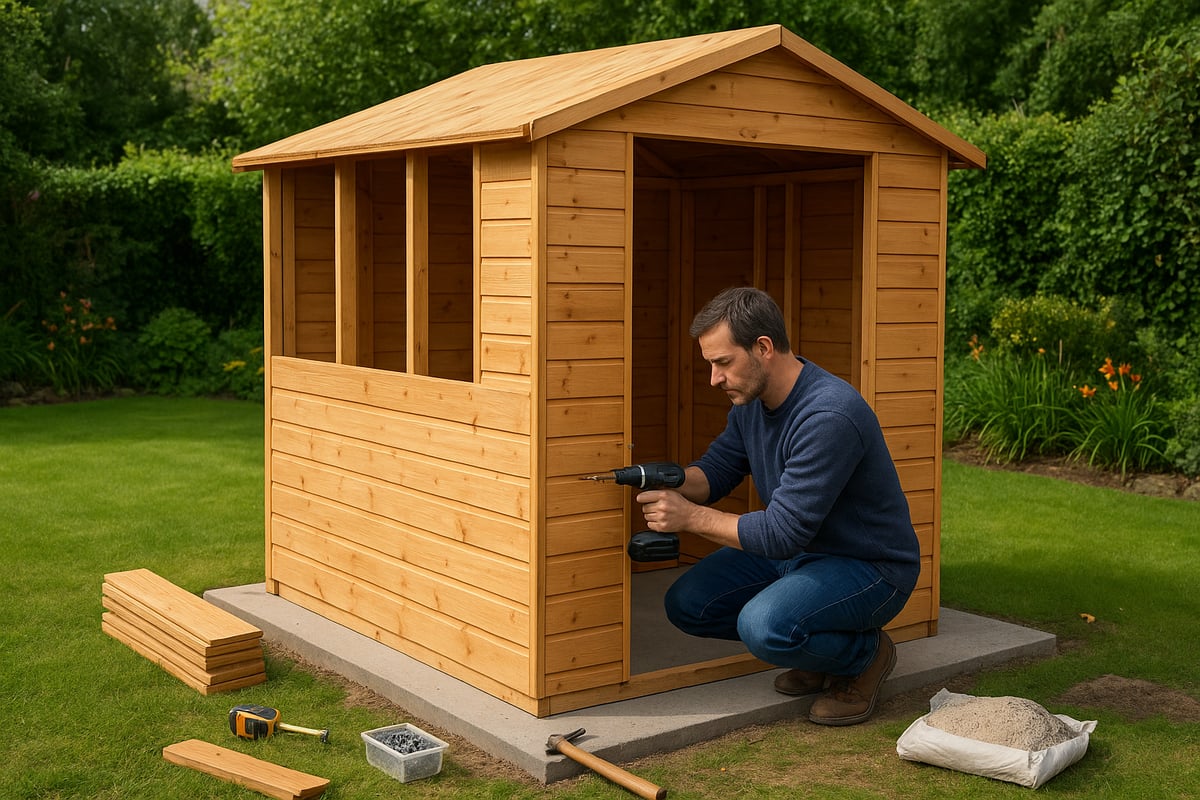
Step 1: Preparing the Site and Foundation
Before constructing timber sheds, proper site preparation is essential for long-term stability. Start by clearing away all vegetation and debris from your chosen location. Use a spirit level to check the ground, ensuring it is flat and even to prevent future issues with the shed's structure.
Next, consider your foundation options. The three most common bases for timber sheds are:
| Foundation Type | Pros | Cons |
|---|---|---|
| Concrete Slab | Most durable, long-lasting | Requires more work |
| Paving Slabs | Good drainage, easy to lay | Can shift on soft ground |
| Timber Bearers | Quick install, less permanent | Less stable for large sheds |
A concrete base is ideal for heavy, permanent timber sheds, while timber bearers suit temporary or lighter structures. Adequate drainage is vital, as pooling water can lead to rot. Always check local guidelines to ensure your chosen foundation complies with regulations.
Preparing a level, well-drained site lays the groundwork for a successful build and reduces maintenance needs for timber sheds over time.
Step 2: Unpacking and Checking Shed Components
Once your base is ready, carefully unpack your timber sheds kit. Lay out all components and cross-reference them with the manufacturer's inventory list. Typical parts include wall panels, floor sections, roof panels, fixings, windows, doors, and roof felt.
Use the checklist below to ensure nothing is missing:
- Wall panels
- Floor panels
- Roof panels
- Doors and windows
- Screws, bolts, and fixings
- Roof felt or shingles
- Instructions manual
Inspect every piece for any signs of damage, warping, or defects. Contact your supplier immediately if any components are missing or damaged, as this is a common cause of project delays and returns.
Taking time at this stage avoids problems during assembly and ensures your timber sheds are built from quality, intact parts.
Step 3: Assembling the Shed Structure
With all components ready, you can begin assembling timber sheds. Start by constructing the floor, attaching it securely to your foundation. Next, position the wall panels, ensuring they are square and level. Use a drill and screwdriver to fix panels together, following the manufacturer's instructions closely.
Invite a helper if your shed is larger than 8×6 ft, as handling large panels alone can be challenging. Once walls are secure, fit the roof panels, then install doors and windows. Safety is key—wear gloves and safety glasses, and use a sturdy ladder as needed.
For those working with kit-style sheds, step-by-step guidance is available in the Kit garden sheds guide, which provides practical assembly tips and troubleshooting.
Assembling timber sheds methodically ensures structural integrity and a weather-tight finish.
Step 4: Weatherproofing and Finishing Touches
Timber sheds require thorough weatherproofing to withstand Irish weather. Begin by fitting roof felt or shingles, overlapping seams for maximum protection. Attach trims and guttering to guide rainwater away from the structure, reducing the risk of water ingress.
Seal all joints with high-quality exterior caulk and treat exposed timber with a water-based preservative. This shields the wood from rot, insects, and moisture. Eco-friendly preservatives are widely available and effective for timber sheds.
Add finishing touches such as window latches, door handles, and decorative elements. These small details not only enhance security but also boost the shed's appearance and longevity.
Completing these steps creates a durable, attractive shed ready for year-round use.
Step 5: Securing and Anchoring the Shed
Properly anchoring timber sheds is essential for safety and security. Use anchor bolts or ground spikes to fix the shed firmly to your base, especially in areas prone to strong winds. For concrete or paving slab foundations, expansion bolts offer strong, permanent anchoring.
Install quality locks and pad bolts to secure doors and windows. Consider a shed alarm or motion sensor for added protection. Statistics show that anchored timber sheds are far less likely to suffer storm damage or theft.
Regularly check anchors and fixings, tightening as needed to maintain stability. A well-secured shed provides peace of mind and extends the life of your investment.
Step 6: Customizing the Interior
The final step is customizing the interior of your timber sheds to suit your needs. Install sturdy shelves along the walls for tools or supplies. Use hooks and pegboards to maximize vertical storage and keep the floor clear.
If you plan to use your shed as a workshop or office, add a workbench and comfortable seating. Solar-powered lights offer eco-friendly illumination without electrical wiring. Consider insulating walls and roof panels for year-round comfort.
Personalizing timber sheds transforms them from simple storage spaces into functional, inviting retreats. Thoughtful organization also makes daily use more efficient and enjoyable.
Customization & Upgrades: Making Your Timber Shed Work for You
Timber sheds are highly adaptable, making them perfect for personalizing your outdoor space. With thoughtful upgrades, you can transform timber sheds into comfortable, secure, and highly functional assets for your garden or home. Explore the most effective ways to enhance your shed’s utility, comfort, and style in 2025.
Insulation and Weatherproofing Upgrades
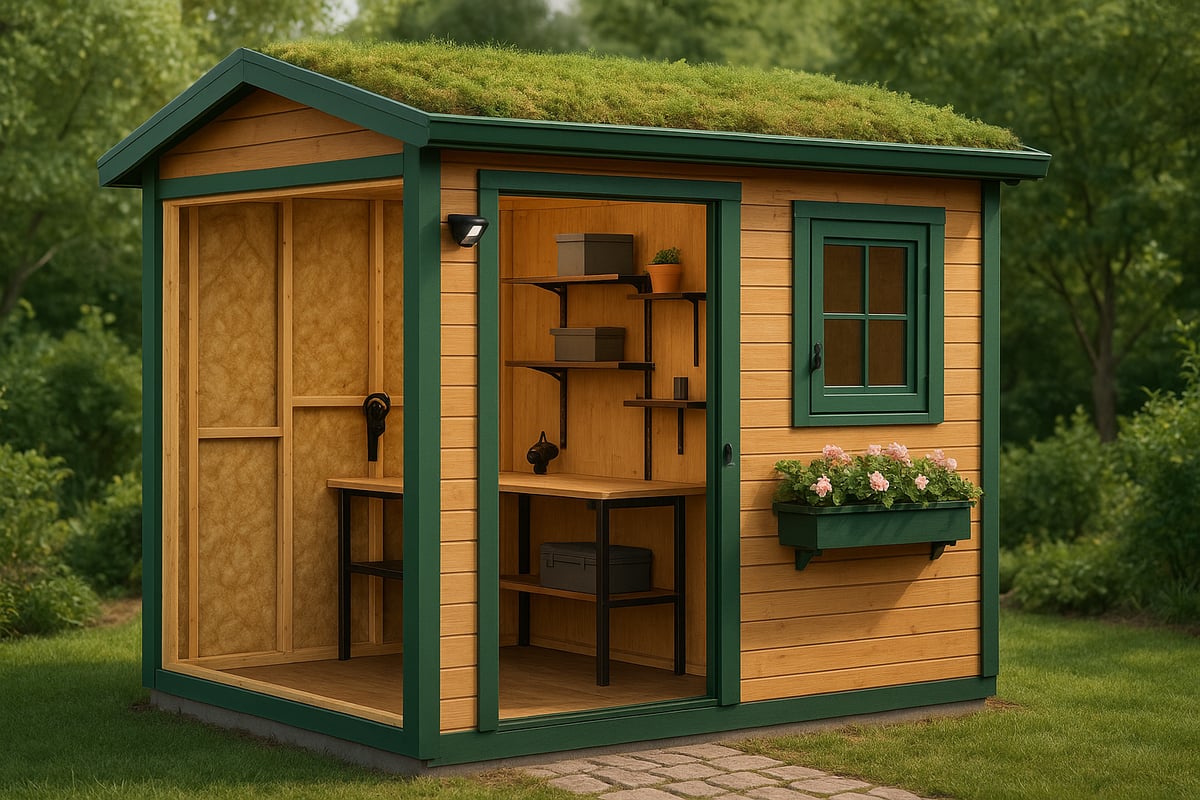
Enhancing insulation in timber sheds ensures comfort and usability all year. Popular options include foam board, sheep wool, and bubble wrap, each offering varying levels of thermal performance. Weatherproofing is equally crucial, with vapour barriers, high-quality roof felt, and draught excluders protecting contents from damp and cold.
For Irish climates, regular re-treatment and maintenance are vital. For step-by-step advice on keeping timber sheds in peak condition, see this guide to maintaining your garden shed. Proper insulation and weatherproofing upgrades make timber sheds suitable for hobbies, offices, or simply reliable storage.
Security Enhancements
Securing timber sheds is essential for protecting valuable tools and equipment. Start by installing robust locks or heavy-duty pad bolts on doors. Reinforce windows with security bars or internal blinds, and consider frosted glass to obscure contents from view.
Adding a battery or solar-powered alarm system provides extra peace of mind. When visible, security measures can deter up to 80 percent of opportunistic thefts, making timber sheds a safer choice for homeowners.
Aesthetic Improvements
Aesthetic upgrades allow timber sheds to enhance your garden’s overall look. Painting or staining the exterior not only personalizes timber sheds, but also adds a protective layer against weathering. Choose colors that complement your home and landscape for maximum visual appeal.
Add flower boxes, trellises, or even a living green roof for a unique touch. These enhancements increase curb appeal and can positively impact property value, making timber sheds both beautiful and practical.
Power and Lighting Solutions
Bringing power and lighting into timber sheds elevates their functionality. Mains electricity is ideal for workshops or home offices but should be installed by a qualified electrician. Solar-powered lighting is a safe, sustainable option for off-grid setups.
LED strip lights, motion sensors, and timed lighting improve visibility and convenience. Thoughtful electrical upgrades make timber sheds more versatile, whether used for hobbies, storage, or remote work.
Organizational Accessories
Maximize the interior of timber sheds with smart organization. Modular shelving units, pegboards for tools, and storage bins help keep everything accessible and tidy. Hooks and racks make use of vertical space, while custom workbenches create dedicated areas for projects.
Investing in organization not only increases usable space, but also extends the life of your timber sheds by preventing clutter and damage to stored items.
Maintenance, Longevity & Troubleshooting Common Issues
Keeping timber sheds in top shape requires regular attention and a proactive approach. With the right care, your timber sheds will last for years, offering dependable storage and value. Below, we break down essential maintenance routines, common problems, and troubleshooting solutions for Irish climates.
Regular Maintenance Tasks
Routine upkeep is crucial for extending the life of timber sheds. Begin by cleaning the exterior with mild soap and water to remove dirt, algae, and debris. Inspect all surfaces annually for peeling paint or worn treatments, and reapply protective coatings or stains as needed.
Make it a habit to check for leaks, loose fixings, or early signs of rot. An annual maintenance checklist can help prevent small issues from turning into costly repairs. Remember, consistent care of timber sheds can add up to 10 years to their lifespan, making yearly attention a wise investment.
Dealing with Damp, Rot, and Pests
Dampness and rot are common challenges for timber sheds in Ireland’s wet climate. Early detection is key. Look for discolored patches, musty smells, or soft spots in the timber. Regularly ventilate your shed to discourage mold and mildew.
To protect timber sheds from pests like woodworm or ants, use insecticidal treatments and keep the area clear of vegetation. If rot or infestation is found, promptly replace affected panels and apply fungicides. Without proper treatment, 30% of timber shed owners report damp issues within five years.
Roof and Gutter Care
A solid, watertight roof is essential for timber sheds. Inspect roof felt, shingles, or tiles each season for tears or lifting edges. Restore or replace damaged materials immediately to prevent leaks.
Gutters and downpipes should be cleared of leaves and debris at least twice a year. Blocked gutters can cause water to back up, leading to leaks and timber decay. Regular attention to roof and gutter care greatly reduces the risk of costly water damage to your timber sheds.
Addressing Structural Issues
Over time, timber sheds may develop issues like sagging doors, loose panels, or warped wood. Check door alignment and hinges every few months, tightening or replacing fixings as needed.
If panels shift or gaps appear, reinforce joints and seal any openings to maintain stability. Addressing these problems early keeps your timber sheds secure and weatherproof. For expert advice or after-sales support, consider reaching out to About Coola Living Ireland, known for their long-standing expertise in timber shed care.
Seasonal Preparations
Preparing timber sheds for changing seasons ensures continued performance. In autumn, add weatherstripping to doors and windows to block drafts and moisture. Winterize by checking insulation, applying protective treatments, and removing snow buildup from the roof.
During summer, protect timber sheds from UV rays by applying a fresh coat of UV-resistant finish and improving ventilation. These seasonal steps help maintain both appearance and function, no matter the weather.
When to Replace or Upgrade Components
Recognizing when to replace or upgrade parts is vital for the longevity of timber sheds. If roof felt is cracked, glazing is fogged, or hardware is rusted, it may be more cost-effective to replace these components than risk further damage.
Weigh the benefits of repair versus investing in a new shed. Upgrading roof felt alone can extend the shed’s lifespan by five years, making targeted improvements a smart choice for many homeowners.
Timber Sheds in the Modern Garden: Trends & Inspiration for 2025
Timber sheds are evolving rapidly in 2025, becoming not just practical storage solutions but central features in modern gardens. Homeowners are seeking timber sheds that balance sustainability, versatility, and technology, all while elevating outdoor style.
Sustainable and Eco-Friendly Shed Options
Sustainability is a defining trend for timber sheds in 2025. Homeowners are prioritizing FSC-certified timber, recycled materials, and low-VOC finishes when selecting their sheds. Green roofs, which support pollinators and improve insulation, are increasingly popular. Rainwater harvesting systems can be seamlessly integrated, making timber sheds even more eco-conscious.
Affordability and availability are top of mind, too. According to Timber price trends in Ireland, stable timber prices and improved supply chains are making sustainable options more accessible. This shift is encouraging more Irish homeowners to embrace eco-friendly timber sheds for their gardens.
Multi-Functional Shed Uses
Timber sheds are no longer limited to tool storage. Many homeowners now convert them into home offices, gyms, creative studios, or even guest rooms. For example, one Irish homeowner transformed a standard timber shed into a remote workspace, complete with insulation, solar lighting, and ergonomic furnishings.
This multi-functional approach maximizes the value of timber sheds, allowing them to adapt as family needs change. Flexibility is key, and sheds designed for quick upgrades are in high demand.
Blending Sheds with Garden Design
Integrating timber sheds into garden landscapes is both an art and a science. Contemporary shed designs often feature clean lines and neutral colors, complementing modern homes. Others opt for painted finishes or cottage-style details to harmonize with traditional gardens.
Landscaping around timber sheds with paths, flower beds, and screening plants enhances their visual appeal. Color and material choices can make timber sheds a seamless extension of the home, rather than a standalone structure.
Smart Shed Technology
Technology is transforming timber sheds in 2025. Solar-powered lighting, security cameras, and IoT-enabled sensors are increasingly common. These smart features allow remote monitoring and energy efficiency, making sheds safer and more convenient to use.
Industry data shows an 18 percent increase in smart shed installations from 2023 to 2024. Homeowners appreciate the added security, comfort, and sustainability that technology brings to timber sheds.
Showcase: Award-Winning Timber Sheds
Garden shows across Ireland are celebrating innovative timber sheds. Standout designs include living walls, modular extensions, and hidden storage solutions. For instance, the best-in-show timber shed at the 2024 Bloom Festival featured a green roof, integrated solar panels, and clever interior organization.
These award-winning timber sheds inspire homeowners to think creatively about their own outdoor spaces. The possibilities for customization and innovation are truly limitless.
As you explore the ins and outs of choosing the perfect timber shed for your garden, it’s clear that the right storage solution can truly transform your outdoor space. Whether you’re searching for durability, eco-friendly materials, or a shed that blends seamlessly with your landscape, investing in quality makes all the difference. If you’re still weighing your options or want to compare materials, you might be interested in checking out steel sheds as well. For a reliable, stylish alternative that comes with free fast delivery, have a look at our Free Fast Delivery on your TOP Steel Garden Shed.
Discover more from Coola Living Ireland
Subscribe to get the latest posts sent to your email.