
Kayak adventures are on the rise in 2026, with more enthusiasts exploring lakes, rivers, and coastlines than ever before. As journeys become more ambitious, the need for safe and efficient transport is vital.
This guide is designed to help you master every aspect of using a kayak roof carrier, from choosing the right model to expert installation and security measures.
You will discover the latest types of carriers, how to match them to your vehicle, step-by-step installation, essential safety tips, and the best ways to keep your gear in top shape.
Ready to make every kayak trip hassle-free? Dive into our expert advice and unlock new adventure possibilities.
Understanding Kayak Roof Carriers: Types and Trends for 2026
The world of kayak roof carrier solutions is evolving rapidly as more enthusiasts seek safer, smarter ways to transport their kayaks in 2026. From classic designs to cutting-edge innovations, the choices now reflect a blend of performance, convenience, and compatibility with new vehicle types. Choosing the right kayak roof carrier is essential for secure, efficient adventures, whether you drive a traditional SUV or a next-generation electric vehicle.
Types of Kayak Roof Carriers
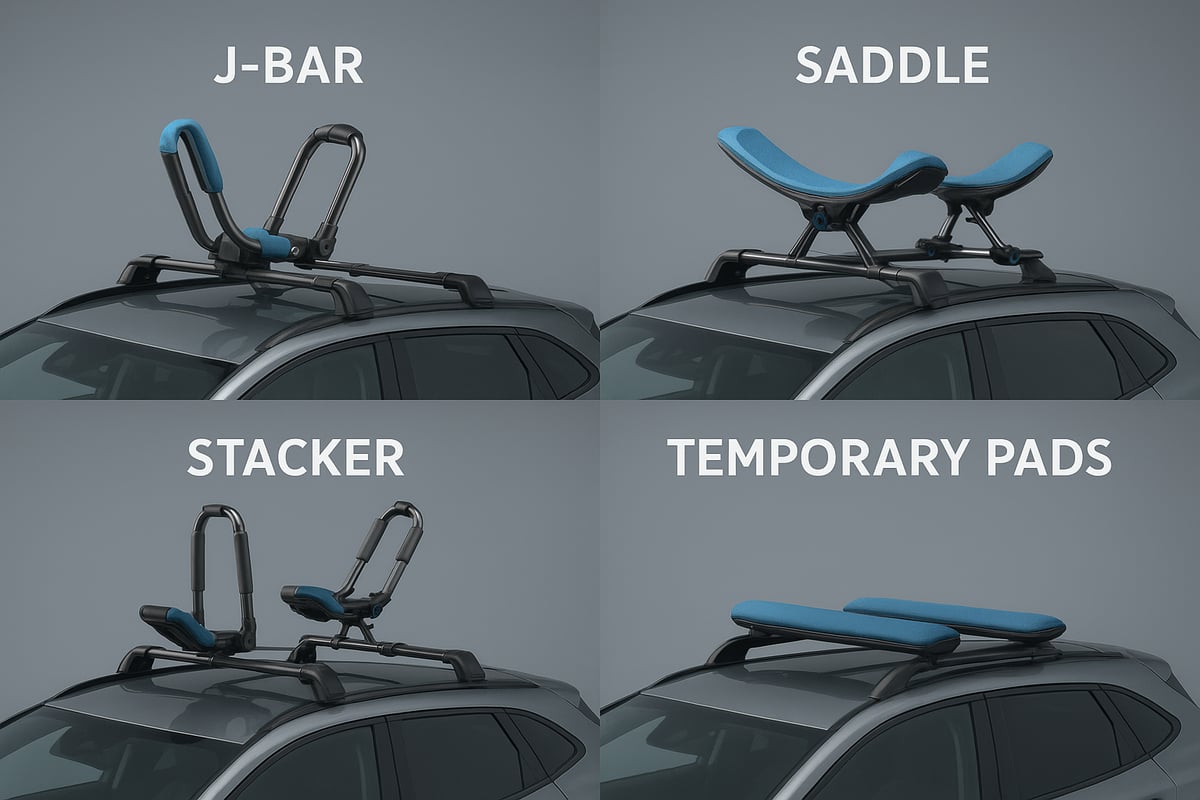
Modern kayak roof carrier options cater to different needs and vehicles. The most common types are:
- J-Bar Carriers: Shaped like a "J", these cradle your kayak on its side, maximizing space.
- Saddle Carriers: Offer full support for the hull and are ideal for wider kayaks.
- Stacker Carriers: Allow you to transport multiple kayaks upright, making them popular for group outings.
- Temporary Pads: Soft, portable pads that strap directly to the roof, best for occasional use or vehicles without roof rails.
Each kayak roof carrier type offers unique benefits. J-Bar and saddle designs suit solo paddlers or fishing kayaks, while stackers are great for families or clubs. Temporary pads are a flexible, quick solution but are less secure for long journeys.
Trends and Innovations for 2026
The kayak roof carrier landscape in 2026 is defined by lightweight materials, foldable frames, and advanced compatibility with electric vehicles. Aluminum and high-strength polymers are replacing heavier steel, making carriers easier to handle and install. Foldable designs, like the Vanhunks Foldable Kayak J-Bar, are surging in popularity, with recent statistics showing a 30% year-over-year growth in adoption.
Aerodynamic shapes are becoming standard to reduce drag and improve fuel efficiency, especially crucial for EVs. Innovations such as advanced foam protection, anti-theft locking systems, and integrated tie-down points are now expected features. Many new carriers also include weather-resistant coatings to withstand UV rays and harsh climates, ensuring longer lifespan and safer transport.
Factory vs. Aftermarket Carriers: Features and Comparison
Choosing between factory and aftermarket kayak roof carrier systems depends on your needs and vehicle type. Factory carriers are designed by vehicle manufacturers, ensuring seamless integration and warranty coverage, but often lack flexibility for different kayak sizes or styles. Aftermarket options, on the other hand, provide a wider range of features, materials, and price points.
| Feature | Factory Carriers | Aftermarket Carriers |
|---|---|---|
| Fit & Integration | Excellent | Varies |
| Feature Range | Basic | Extensive |
| Material Options | Limited | Aluminum, polymers |
| Price | Higher | More affordable |
| Customization | Low | High |
Many paddlers combine factory roof bars with aftermarket kayak roof carrier attachments. For a deeper look at foundational systems, review Car roof bars for kayaks to ensure compatibility and safe setup.
Eco-Friendly and Multi-Sport Carrier Insights
Eco-friendly materials and weather-resistant finishes are priorities for 2026. Manufacturers increasingly use recycled aluminum, non-toxic polymers, and UV-proof coatings to reduce environmental impact and extend carrier life. The Vanhunks Foldable Kayak J-Bar, for example, offers an aluminum build with a 100kg capacity, combining strength and sustainability.
Multi-sport carriers now serve kayaks, SUPs, and canoes, making them versatile for active adventurers. When selecting a kayak roof carrier, consider models that adapt to different watercraft and use eco-conscious materials. This approach not only protects your gear but also aligns with responsible outdoor recreation.
Choosing the Right Kayak Roof Carrier for Your Vehicle
Selecting the perfect kayak roof carrier for your vehicle is crucial for safe, hassle-free adventures. The right choice depends on your car’s roof style, your kayak’s dimensions, and the latest features available in 2026. Below, we break down the essential steps to ensure your setup is secure, efficient, and future-ready.

Assessing Your Vehicle and Kayak
Start by identifying your vehicle’s roof type. Common options include raised rails, flush rails, bare roofs, and factory-installed crossbar systems. Each type determines which kayak roof carrier models will fit securely. If your car lacks crossbars or rails, you may need to install a compatible rack first.
Next, measure your kayak’s length, width, and hull shape. This ensures your chosen kayak roof carrier supports the size and weight safely. For example, a 12-foot fishing kayak often requires a heavy-duty J-Bar system. Most cars can handle roof loads between 75 and 100 kg, but always check your owner’s manual for the precise weight limit.
Evaluate crossbar spacing and width to confirm the carrier fits snugly. SUVs typically offer more space and higher weight allowances, while compact cars may require lighter, low-profile carriers. For further details on compatible systems, review Roof rack options for cars for an in-depth overview.
Use this checklist:
- Identify roof type (rails, crossbars, bare)
- Measure kayak size and weight
- Check vehicle’s roof load capacity
- Confirm crossbar width and spacing
Taking these steps ensures your kayak roof carrier is a perfect match for both your kayak and your vehicle.
Carrier Features to Consider in 2026
Modern kayak roof carrier designs in 2026 focus on convenience, safety, and durability. Foldability is a standout feature, allowing for compact storage and improved aerodynamics when not in use. Look for carriers with thick foam or rubber padding, which protect your kayak’s hull during transport.
Integrated tie-downs and anti-slip bases offer extra security. Advanced locking mechanisms deter theft, while UV-proof and rust-resistant finishes help withstand harsh weather. For example, carriers like the Vanhunks models use 8mm foam protectors and corrosion-resistant aluminum for long-term reliability.
When choosing a kayak roof carrier, prioritize:
- Foldable arms or frames
- Ample foam or rubber padding
- Built-in tie-down points
- Secure locking systems
- Weather-resistant materials
User-friendly mounting hardware also saves time during installation. Compare features in a table for quick reference:
| Feature | Benefit |
|---|---|
| Foldability | Easy storage, less drag |
| Foam/rubber padding | Hull protection |
| Locking mechanism | Theft prevention |
| UV/rust resistance | Durability |
| Integrated tie-downs | Secure transport |
Choosing a kayak roof carrier with these features ensures your kayak stays safe on every journey.
Compatibility with Electric and Hybrid Vehicles
Electric and hybrid vehicles require special consideration when selecting a kayak roof carrier. Their roofs may be lighter or have unique structures to accommodate batteries and advanced safety systems. Always check your vehicle’s manual for roof load guidelines and recommended accessory types.
Weight distribution is especially important for EVs, as improper loading can affect handling and reduce driving range. Recent studies show that roof-mounted loads may decrease range by up to 8 percent on some models. Aerodynamic carriers, especially foldable designs, help minimize drag and energy loss.
Some manufacturers, like Tesla, offer specific guidance for roof accessories. For example, adapting a foldable carrier to a Tesla Model Y involves checking approved mounting points and using lightweight materials. Future-proofing your kayak roof carrier choice means selecting models with adjustable fittings, so you’re ready for upcoming vehicle designs.
When outfitting your electric or hybrid car, remember:
- Confirm roof structure and approved weight
- Use aerodynamic, lightweight carriers
- Follow manufacturer recommendations
- Monitor range impact during trips
By focusing on compatibility, you ensure your kayak roof carrier performs safely and efficiently, no matter your vehicle type.
Step-by-Step Guide: Installing and Securing Your Kayak Roof Carrier
Transporting your kayak safely starts with proper setup. A well-installed kayak roof carrier ensures stability, protects your gear, and gives you peace of mind on every journey. Follow this expert, up-to-date guide to achieve secure, hassle-free transport.
Preparing for Installation
Before installing your kayak roof carrier, gather all essential tools and hardware. Most kits include mounting brackets, bolts, protective foam, and tie-down straps. Double-check that all components are present, especially if you use a popular model like the Vanhunks kit.
Clean your vehicle's roof and crossbars thoroughly. Dirt or debris can interfere with the carrier’s grip and compromise safety. Take time to read the manufacturer’s instructions from start to finish, as different kayak roof carrier models have unique requirements.
Inspect your roof rails or crossbars for any damage. Confirm that the roof load capacity is suitable for your kayak roof carrier and kayak weight. Ensuring all parts are in good condition before starting prevents issues later. Taking these steps sets the foundation for a secure installation.
Installing the Carrier: Chronological Steps
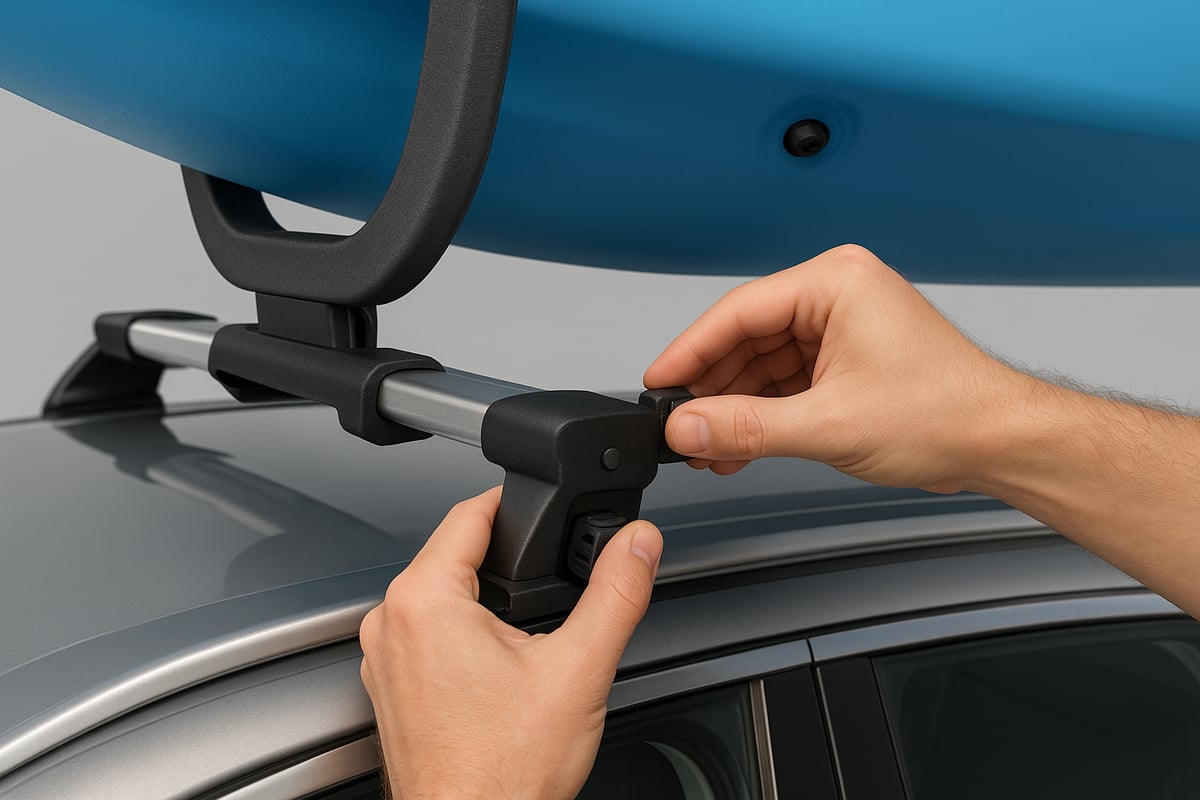
Start by positioning the kayak roof carrier on the crossbars, aligning it with the recommended spacing for optimal support. Place the brackets so they evenly distribute weight, supporting both the front and rear of the kayak.
Secure the mounting brackets over the crossbars. Tighten bolts by hand first, then use the provided tools to ensure a snug fit. Avoid over-tightening, which can damage the carrier or your vehicle's rails. Adjust the angle of the kayak roof carrier to suit your kayak’s hull shape, especially if it’s a wider or uniquely contoured model.
Next, test the carrier’s stability by gently rocking it. It should not shift or rattle. Foldable models, like the Vanhunks Foldable J-Bar, can be adjusted into a low-profile position when not in use, reducing wind resistance. For extra assurance and detailed safety checks, consult the Kayak Carrier Installation Guide, which outlines step-by-step instructions and maintenance advice.
Double-check all fasteners and brackets. Confirm that nothing obstructs vehicle doors or windows. A thorough installation process is critical for the long-term durability of your kayak roof carrier and the safety of your gear.
Loading and Securing Your Kayak
When loading your kayak, use proper lifting techniques to avoid injury. Solo paddlers should lift from the center, while teams can coordinate from each end. Always center the kayak on the kayak roof carrier to balance weight and prevent shifting during transit.
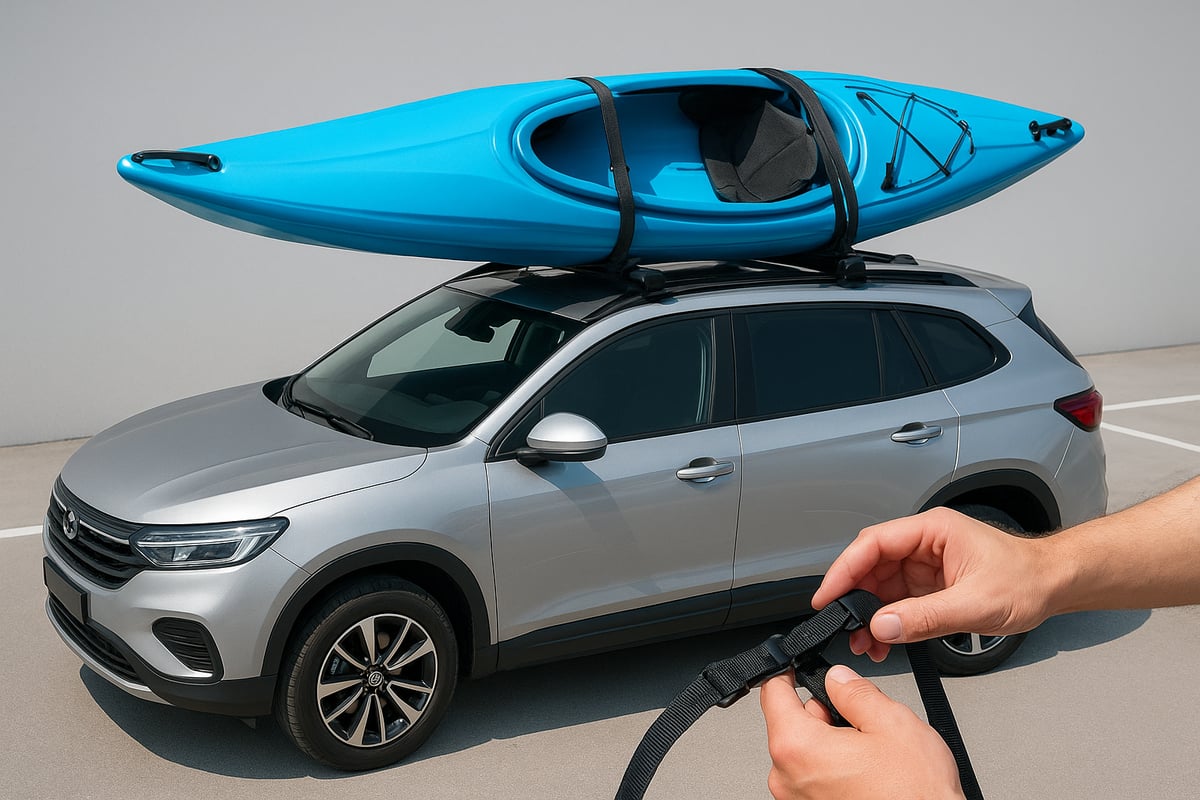
Attach tie-down straps over the kayak, securing them to the carrier’s integrated loops or crossbars. Check that straps are tight, but not so tight as to damage the kayak. Bow and stern lines offer additional security, especially for longer trips or highway travel.
Inspect all connections, including buckles and foam padding, to ensure nothing is worn or loose. Heavy-duty tie-downs are recommended for long distances or adverse weather. Before departure, walk around your vehicle and perform a final safety check. A correctly loaded kayak roof carrier provides confidence for any adventure.
Essential Safety and Maintenance Tips for 2026 Adventures
Staying safe and maintaining your kayak roof carrier is essential for every adventure in 2026. Whether you are heading to a local lake or embarking on a cross-country journey, proper safety measures and routine care will ensure your gear stays secure and your trips remain stress-free.
On-the-Road Safety Best Practices
Before each trip, take a few moments to inspect your kayak roof carrier. Check that all straps are tight and that mounting hardware is secure. Loose straps are a leading cause of transport incidents, so monitoring tension is crucial. Listen for unusual wind noise or vibration while driving, as these can signal that your carrier needs attention.
Stick to recommended speed limits when carrying a kayak roof carrier. High speeds can increase wind drag and the risk of shifting loads. Plan your route to avoid sudden stops and sharp turns, which can stress both your kayak and the carrier system.
Regular checks during breaks are important. Inspect tie-downs, mounts, and the kayak itself for any movement or signs of wear. For detailed safety guidelines and expert advice on securing your load, consider reviewing these Kayak Roof Rack Safety Tips.
By prioritizing these habits, you will reduce risks and enjoy worry-free travel with your kayak roof carrier.
Maintenance and Longevity
Caring for your kayak roof carrier extends its lifespan and keeps your kayak protected. After each trip, especially if exposed to saltwater, rinse the carrier and straps with fresh water. Salt can corrode metal parts and degrade padding if left unchecked.
Lubricate all metal joints and bolts using a silicone-based product to prevent rust and ensure smooth operation. Inspect foam pads and rubber components for UV damage or cracks. Replace worn parts promptly to maintain the integrity of your kayak roof carrier.
When not in use, store your carrier in a dry, shaded area. Avoid prolonged sun exposure, which can weaken materials. Leading brands like Vanhunks recommend regular maintenance, such as fresh water rinses and periodic checks, to keep your carrier in top condition.
Proper care ensures your kayak roof carrier remains reliable for many seasons of adventure.
Troubleshooting Common Issues
Even with careful use, you may encounter issues with your kayak roof carrier. If you notice rattling or shifting during transit, pause to retighten all straps and mounting brackets. Frayed straps or buckle failures can usually be resolved by replacing the affected parts before your next journey.
Worn foam or rubber pads should also be replaced to prevent hull damage. For unexpected problems on the road, pack a small emergency repair kit with spare straps and buckles. Quick fixes will keep your kayak roof carrier functioning safely until you reach your destination.
Expert Tips for Hassle-Free Kayak Transport in 2026
Adventurers in 2026 are seeking smarter, safer, and more efficient ways to travel with their kayaks. Mastering the use of your kayak roof carrier is essential for smooth journeys, whether you are cruising the Irish countryside or tackling remote water trails. The right preparation and expert strategies can ensure every trip is worry-free.
Packing and Trip Preparation
A successful adventure starts with smart planning. Before you load your kayak roof carrier, map your route to avoid low-clearance bridges or parking garages. Even a few centimeters can make a difference with taller vehicles or stacked kayaks.
Prepare a checklist for your gear. Essential items include tie-down straps, bow and stern lines, paddle holders, and a UV-resistant kayak cover to shield your boat from harsh sunlight. Weatherproofing your gear is crucial, especially for long trips or unpredictable Irish weather.
Inspect your kayak roof carrier for any signs of wear or loose hardware before departure. Confirm that all mounting points are secure and the carrier is properly aligned with your crossbars. For those new to roof racks or looking for an upgrade, the Auto roof racks guide offers in-depth advice on choosing the right system for your needs.
If you are traveling solo, consider using a foldable loading ramp. This accessory makes it easier to lift your kayak onto the carrier without straining your back. Always double-check that your kayak is centered and balanced before tightening straps.
Advanced Security and Anti-Theft Strategies
Protecting your kayak and gear is more important than ever in 2026. Use locking tie-down straps and integrated carrier locks to secure your kayak roof carrier and prevent quick theft attempts. Choose heavy-duty buckles and cables that resist cutting.
When parking, opt for well-lit, busy areas. Position your vehicle so the kayak roof carrier is not easily accessible from the street. For high-value kayaks or longer stops, consider installing a GPS tracking device for extra peace of mind.
Theft rates for rooftop gear continue to rise in urban and tourist hotspots. For more in-depth safety measures and real-world data, consult the Kayak Transport Safety Strategies resource, which covers proven techniques to secure your kayak roof carrier during transport.
Maximizing Fuel Efficiency and Reducing Drag
Aerodynamics play a crucial role in fuel consumption when using a kayak roof carrier. Select low-profile, streamlined carriers to minimize drag and wind resistance. Foldable designs are particularly effective, allowing you to collapse the carrier when not in use and reduce wind noise.
Remove your kayak roof carrier if you are not transporting kayaks. This simple step can improve your vehicle’s fuel efficiency and reduce wear on the carrier itself. Keep an eye on your mileage with and without the carrier to monitor the impact.
For longer trips, check that all straps are tight and excess material is tucked away. Loose straps can flap in the wind, creating drag and noise. Following these best practices will help you get the most from your kayak roof carrier while saving money at the pump.
Top Kayak Roof Carrier Accessories for 2026
Choosing the right kayak roof carrier is only the beginning. The right accessories elevate safety, convenience, and confidence on every journey. In 2026, a new generation of accessories is transforming how paddlers secure, load, and store their kayaks for adventure.
Must-Have Accessories for Safety and Convenience
A dependable kayak roof carrier setup starts with essential safety accessories. Heavy-duty tie-down straps are vital for keeping your kayak secure at highway speeds. Look for straps with cam buckles and weather-resistant material to withstand changing conditions.
Bow and stern lines add a crucial layer of stability, preventing shifting during sharp turns or sudden stops. Protective roof rack pads help safeguard both your kayak and your vehicle from scratches. For added convenience, quick-release clamps can speed up loading and unloading, making solo paddling trips more manageable.
Here is a comparison of must-have accessories for 2026:
| Accessory | Key Benefit | Example Feature |
|---|---|---|
| Heavy-duty straps | Maximum security | UV-resistant webbing |
| Bow/stern lines | Prevents shifting | Reflective threading |
| Roof rack pads | Scratch protection | 8mm high-density foam |
| Quick-release clamps | Easy loading/unloading | Tool-free operation |
For those transporting larger kayaks or multiple watercraft, consider van roof racks for large kayaks to ensure your kayak roof carrier system is up to the task. These specialized racks offer extra support and stability, making long-distance travel safer and more efficient.
With these core accessories, every paddler can enhance their kayak roof carrier’s reliability.
Innovative Add-ons and Upgrades
The kayak roof carrier market in 2026 is seeing a surge in innovation. Foldable loading ramps are now a game-changer for solo paddlers, allowing you to slide heavy kayaks onto your roof with minimal effort. Integrated LED lights provide visibility for nighttime loading, ensuring you can see what you are doing and stay safe after sunset.
Smart technology is making its way into kayak roof carrier accessories as well. Bluetooth-enabled load sensors help monitor the weight distribution on your rack, alerting you to any imbalance before you hit the road. These sensors are especially useful for electric or hybrid vehicles, where weight placement matters for range and handling.
Innovative anti-slip pads and weatherproof coatings are also becoming standard, ensuring your kayak roof carrier performs optimally in any climate. These upgrades not only add convenience but also extend the lifespan of your gear.
Storage and Off-Season Solutions
Proper storage extends the life of your kayak roof carrier and accessories. Wall-mounted carrier racks keep your system organized and off the garage floor during the off-season. Weatherproof storage bags protect your carrier components from dust and moisture when not in use.
For paddlers with limited space, organizing gear in sheds or garages with labeled bins ensures quick access for spontaneous trips. Patio boxes offer a practical solution for stowing tie-downs, pads, and clamps, keeping everything in one place.
By investing in smart storage, you protect your kayak roof carrier from wear and ensure every accessory is ready for your next adventure.
As you plan your next big kayak adventure in 2026, remember how crucial it is to keep your gear organised and ready to go at a moment’s notice. A reliable kayak roof carrier gets you on the road, but having durable storage at home ensures your equipment stays protected year round. If you’re looking for a robust solution to store all your outdoor essentials—from paddles to life vests—why not explore our range of steel sheds? You get extra space and peace of mind, knowing your gear is always secure and weatherproof. Check out our Free Delivery on your ECO Steel Garden Shed for a smart, long lasting storage upgrade.
Discover more from Coola Living Ireland
Subscribe to get the latest posts sent to your email.

