

In 2026, roof rack rails have become essential for anyone looking to maximize their vehicle’s versatility and cargo space. Whether you’re planning epic road trips, outdoor adventures, or simply need more room for everyday gear, choosing the right roof rack rails can transform your travel experience.
This comprehensive guide delivers expert tips and the latest industry trends, empowering you to make informed decisions for your next journey. Discover the types of roof rack rails, step-by-step installation advice, smart technologies, safety practices, and trend forecasts that define the future of vehicle transport solutions.
Get ready to elevate your adventures with practical insights and proven strategies for selecting the best roof rack rails in 2026.
Understanding Roof Rack Rails: Types and Functions
Roof rack rails have become an essential feature for modern vehicles, offering a versatile and reliable way to expand cargo capacity. Whether you are planning a family road trip or need space for work equipment, roof rack rails provide a stable platform for carrying extra gear without sacrificing interior comfort. Understanding the different options available in 2026 will help you make the most practical and safe choice for your needs.
Defining Roof Rack Rails and Their Role
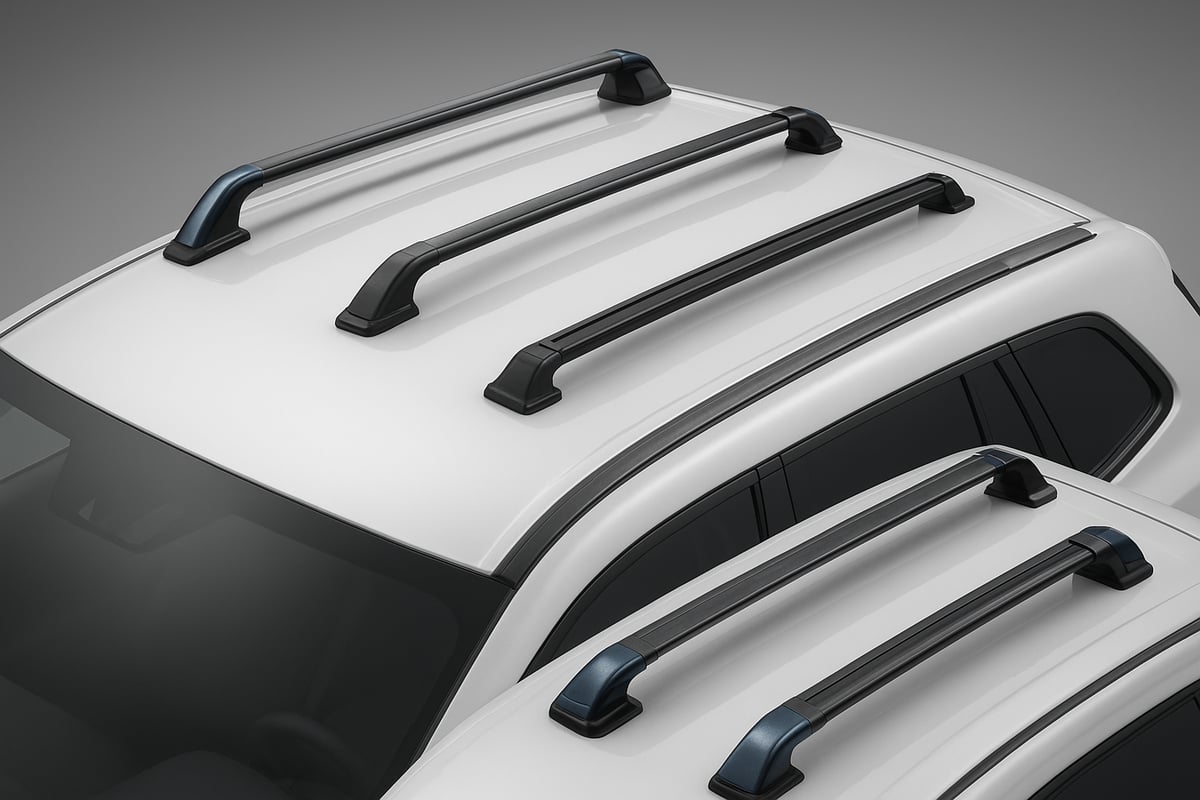
At their core, roof rack rails are structural bars or tracks mounted along the sides or across the top of a vehicle’s roof. Their main function is to provide a secure anchor point for crossbars, roof boxes, or specialized carriers. With roof rack rails, you can transport bulky items like bikes, kayaks, skis, or extra luggage, freeing up precious interior space.
Roof rack rails are not just for adventurers. Tradespeople and families also rely on them to move tools, ladders, or strollers. As travel and outdoor gear trends continue to grow, so does the demand for robust and adaptable roof rack rails.
Main Types of Roof Rack Rails
There are four primary types of roof rack rails, each tailored to specific vehicle designs and user preferences:
- Raised Rails: These sit above the roof surface, creating a visible gap. They are easy to grip, making accessory installation straightforward.
- Flush Rails: These run close to the roofline, offering a sleek, integrated look. Flush rails are popular on modern SUVs and crossovers.
- Track Systems: Metal or composite tracks installed along the roof, allowing adjustable crossbar placement for maximum versatility.
- Fixed Point Mounts: Discrete attachment points built into the roof, often hidden under covers, provide a clean appearance and secure mounting.
For a deeper dive into the distinctions between rails and bars, see Car roof bars explained.
Each type of roof rack rails brings unique benefits in terms of installation, appearance, and compatibility with different accessories.
Material Comparison: Strength, Weight, and Durability
Material choice plays a crucial role in the performance and longevity of roof rack rails. Here’s a comparison of the most common options:
| Material | Pros | Cons |
|---|---|---|
| Aluminum | Lightweight, corrosion-resistant, modern look | Can be pricier, less robust for heavy loads |
| Steel | High strength, affordable | Heavier, prone to rust if not coated |
| Composite | Lightweight, flexible, weatherproof | May not support extreme loads, limited availability |
Aluminum roof rack rails are favored for their balance of strength and low weight, making them ideal for electric vehicles where efficiency is key. Steel is best for heavy-duty needs, while composites offer innovative designs and improved weather resistance.
Vehicle Compatibility and Practical Uses
Roof rack rails are engineered to fit a wide range of vehicles, from compact cars to full-size vans and electric SUVs. Compatibility depends on factors like factory mounting points, roof shape, and weight limits. Many modern cars come pre-fitted with rails, while others require aftermarket solutions tailored to the make and model.
Common uses for roof rack rails include:
- Transporting bicycles, kayaks, or canoes for outdoor activities
- Carrying roof boxes for extra luggage on family vacations
- Hauling work equipment such as ladders or pipes
- Supporting solar panels or rooftop tents for off-grid adventures
For van owners, specialized systems ensure safe and efficient cargo transport, reflecting the diverse needs of today’s drivers.
Adoption Rates, Trends, and Misconceptions
Recent market analysis shows a steady rise in the adoption of roof rack rails, driven by increased travel and outdoor recreation. In 2025, over 35% of new vehicles were equipped with factory-installed rails, a figure set to climb in 2026.
One common misconception is that roof rack rails always reduce fuel efficiency due to added drag. However, modern designs are increasingly aerodynamic, minimizing wind resistance and noise. When installed and loaded correctly, roof rack rails have a negligible impact on day-to-day driving performance.
In real-world scenarios, roof rack rails have enabled families to embark on multi-week road trips with ease and allowed professionals to transport essential gear safely. As design and technology continue to evolve, roof rack rails remain a cornerstone of vehicle versatility and adventure.
Step-by-Step Guide: Choosing and Installing Roof Rack Rails
Choosing and installing roof rack rails can feel complex, but a structured approach ensures you find the ideal solution for your vehicle and lifestyle. This step-by-step guide covers everything from needs assessment to legal compliance, helping you optimize every journey.
Assessing Your Needs and Vehicle Compatibility
Start by evaluating your cargo requirements. Think about what you plan to transport: bikes, kayaks, camping gear, or work equipment. List your most frequent travel needs so you can match them with the right roof rack rails.
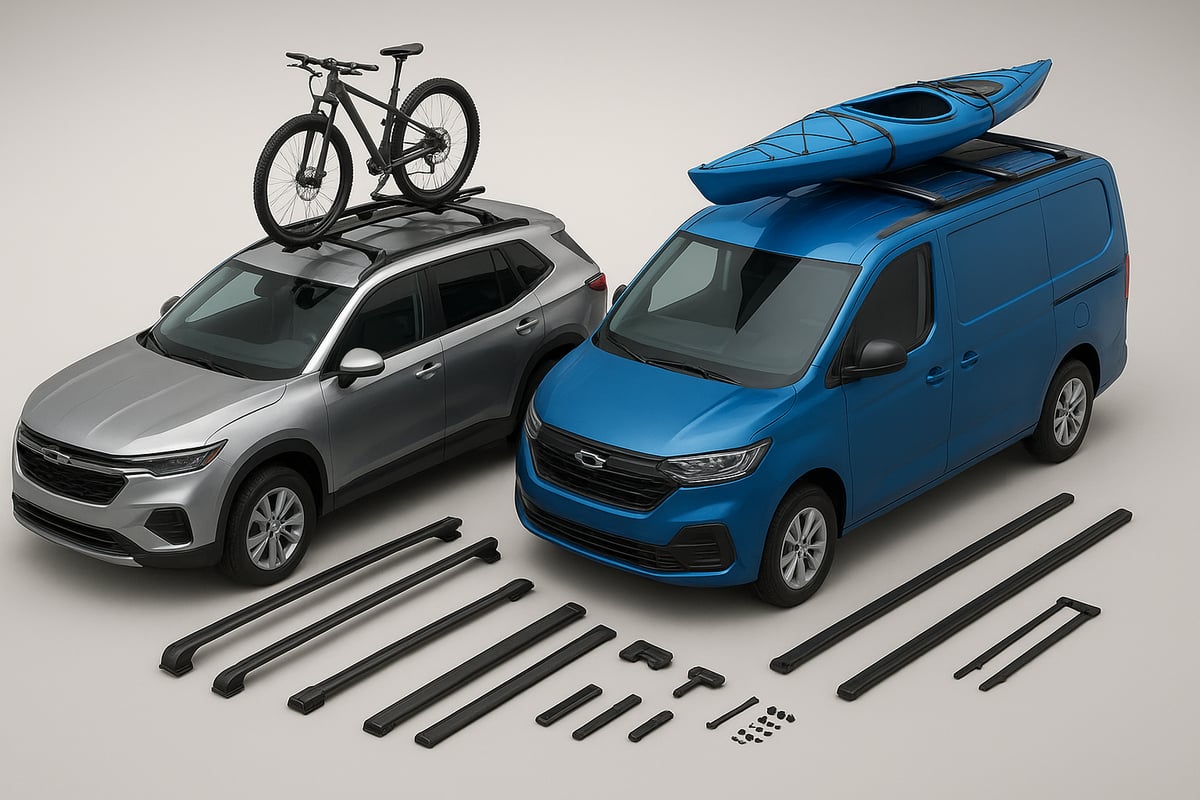
Next, check your vehicle’s compatibility. Inspect if it has factory rails, mounting points, or a bare roof. For cars and SUVs, raised or flush rails are common, while vans and electric vehicles may require track systems or fixed point mounts. Always measure your roof’s length and width, noting any curves or obstructions.
Verify your vehicle’s weight limits. Consult the owner’s manual for both the roof and roof rack rails weight capacity. Electric and hybrid vehicles may have unique considerations, such as battery placement affecting load distribution. For example, a van with a high roof may need specialized rails for secure fit.
If you drive a van, consult a van roof rack systems guide for model-specific advice. Careful compatibility checks prevent installation issues and maximize safety.
Selecting the Right Roof Rack Rail System
With your needs clear, compare aftermarket and OEM (original equipment manufacturer) roof rack rails. OEM rails are designed for your specific vehicle, ensuring a perfect fit and often a seamless look. Aftermarket options offer greater flexibility, broader accessory compatibility, and competitive pricing.
Consider leading brands known for durability and safety. Review product warranties and the availability of replacement parts. Evaluate cost versus quality: higher-priced rails often deliver better weather resistance and modularity, but budget-friendly rails can also perform well for light use.
Popular 2026 models emphasize user-friendly designs, improved aerodynamics, and enhanced anti-theft features. Read customer reviews for real-world insights into installation ease and satisfaction levels. For more detailed selection advice, explore this guide on choosing a roof rack for your car. This resource can help you compare models and make an informed decision.
Installation Process: Tools, Tips, and Common Pitfalls
Before installation, gather the essential tools: a torque wrench, screwdrivers, measuring tape, and recommended sealant. Read the manufacturer’s instructions thoroughly. Preparation is key to a smooth install.
Follow these steps for a typical installation:
- Clean the roof surface and align the mounting points.
- Position the roof rack rails according to your vehicle’s instructions.
- Secure rails using the provided fasteners, tightening bolts to the specified torque.
- Apply sealant where required to prevent leaks.
- Double-check alignment and stability.
Common pitfalls include over-tightening bolts, which can damage your roof, and misaligning the rails, leading to noise or poor accessory fit. Skipping sealant may result in water leaks. If your vehicle has a complex roof structure or integrated sensors, professional installation is recommended.
Regular maintenance extends the lifespan of your roof rack rails. Inspect bolts for tightness, clean rails to remove debris, and check for signs of corrosion or wear. Schedule routine checks, especially after long trips or adverse weather.
Legal and Insurance Considerations
It is essential to comply with road safety laws regarding roof rack rails in 2026. Regulations may specify maximum load heights, proper securing methods, and visibility requirements. Always document your installation with photos and keep receipts for warranty and insurance purposes.
Inform your insurance provider about the addition of roof rack rails, as it can affect your policy. Some insurers require proof of certified installation to maintain coverage. Overloading or improper installation may lead to fines or denied claims.
Compliance checks are routine at roadside inspections. Stay updated on local regulations and never exceed weight limits. Responsible installation of roof rack rails ensures peace of mind and legal protection.
Innovations and Trends in Roof Rack Rails for 2026
The landscape of roof rack rails is evolving rapidly in 2026, driven by technology, sustainability, and consumer demand for smarter, more versatile travel solutions. As vehicles become more connected and lifestyles more adventurous, innovation in roof rack rails is transforming how we transport gear, enhance safety, and minimize environmental impact.
Smart Roof Rack Rails: Technology Integration
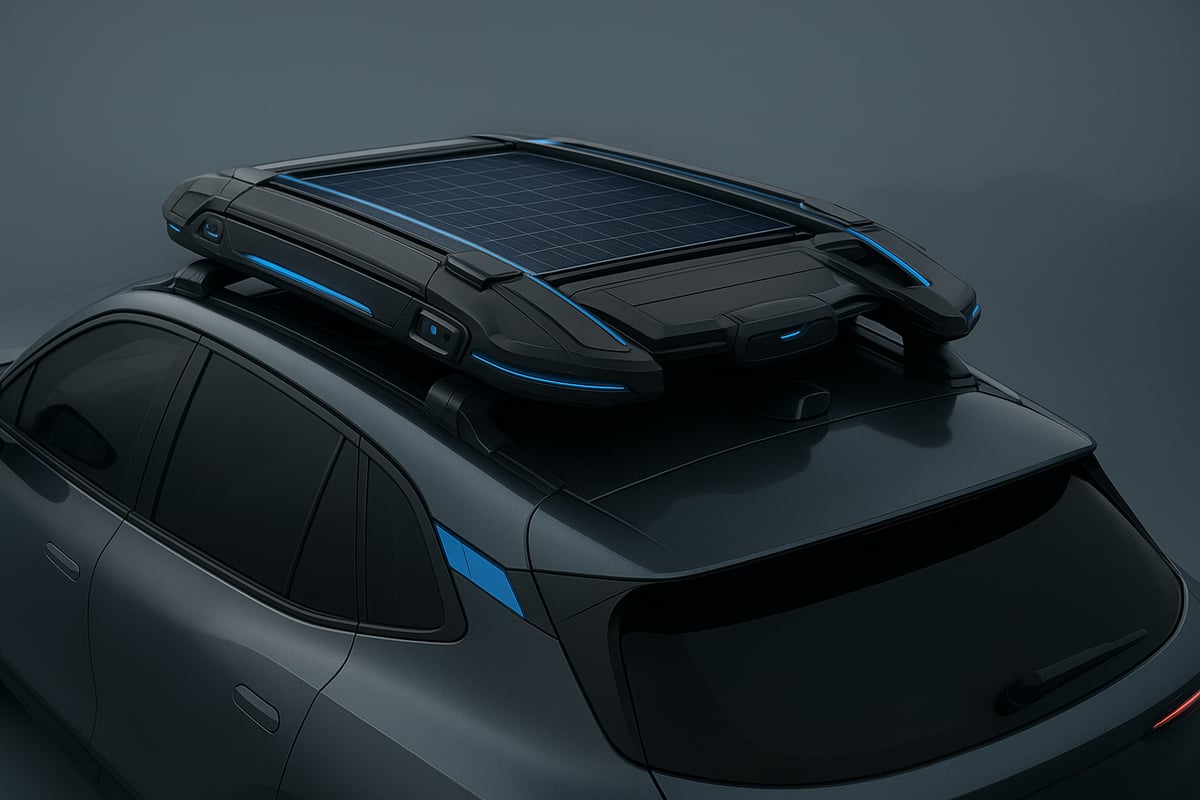
Smart technology is redefining roof rack rails in 2026. Manufacturers are embedding IoT sensors that monitor load weight, balance, and security in real time. These sensors connect to mobile apps, allowing users to check cargo status, receive theft alerts, and even lock or unlock the rails remotely.
App-controlled systems let travelers customize their roof rack rails setup with just a few taps, adjusting clamps or removing crossbars as needed. Some advanced models feature remote diagnostics, providing maintenance reminders and troubleshooting tips directly through the app. For eco-conscious drivers, solar-powered charging pads enable the use of roof-mounted accessories such as lights or GPS trackers without draining the vehicle battery.
Brands like Thule, Yakima, and Rhino-Rack are leading the way, offering cloud-connected solutions that sync with vehicle infotainment systems. This integration helps ensure safe loading practices and alerts drivers to any issues before hitting the road. In 2026, technology not only makes roof rack rails smarter but also significantly boosts safety and convenience.
Sustainability and Eco-Friendly Materials
Environmental responsibility is at the forefront of roof rack rails innovation. Manufacturers now prioritize recycled aluminum, sustainable composites, and low-impact coatings to reduce the ecological footprint of each product. Lifecycle analyses show that these materials not only cut emissions during production but also extend the lifespan of roof rack rails, minimizing waste.
Consumer demand for greener vehicle accessories is rising, with surveys indicating over 60 percent of buyers prefer eco-friendly options. Brands are responding by adopting closed-loop manufacturing processes and reducing packaging. Some even offer take-back programs for old rails, ensuring responsible disposal and recycling.
Choosing sustainable roof rack rails in 2026 means investing in products that balance performance, durability, and environmental stewardship. The shift to green materials is shaping both product design and consumer expectations, making eco-friendly rails the new industry standard.
Modular and Customizable Systems
Versatility is a top priority for adventurers and families alike, and modular roof rack rails are meeting this need. The latest systems feature tool-free adjustment, quick-release mechanisms, and interchangeable attachments that support bikes, kayaks, cargo boxes, and more. Users can reconfigure their setup in minutes to suit changing needs, whether for a weekend camping trip or daily work commute.
Customizable rails are ideal for hobbyists, allowing seamless integration of specialized mounts for cycling, fishing, or snow sports. Many leading brands now offer modular platforms that grow with the user, adding new features as requirements evolve.
For a deeper dive into the latest advances in modular and smart technologies, check out the Top 7 Trends in the Automotive Roof Racks Market. This resource highlights how roof rack rails are adapting to diverse lifestyles and emerging trends in 2026.
Aerodynamics and Noise Reduction
Aerodynamic innovation is reducing drag and noise for roof rack rails, enhancing both efficiency and comfort. Designers are using streamlined shapes, flush-mount systems, and wind-deflecting accessories to minimize resistance. Testing shows that new profiles can lower wind noise by up to 40 percent and improve fuel efficiency, especially at highway speeds.
Consumers report quieter rides and less vibration, making long journeys more enjoyable. The focus on aerodynamics is not only about performance but also about sustainability, as reduced drag helps lower emissions for all vehicle types. In 2026, aerodynamic roof rack rails are setting new benchmarks for comfort and efficiency.
Safety, Maintenance, and Best Practices
Roof rack rails are essential for expanding your vehicle’s carrying capacity, but their benefits come with a responsibility to ensure safety, reliability, and longevity. Proper use and care not only protect your gear but also safeguard your vehicle and everyone on the road. This section shares expert best practices, covering everything from loading techniques to troubleshooting common issues.
Loading and Securing Cargo Safely
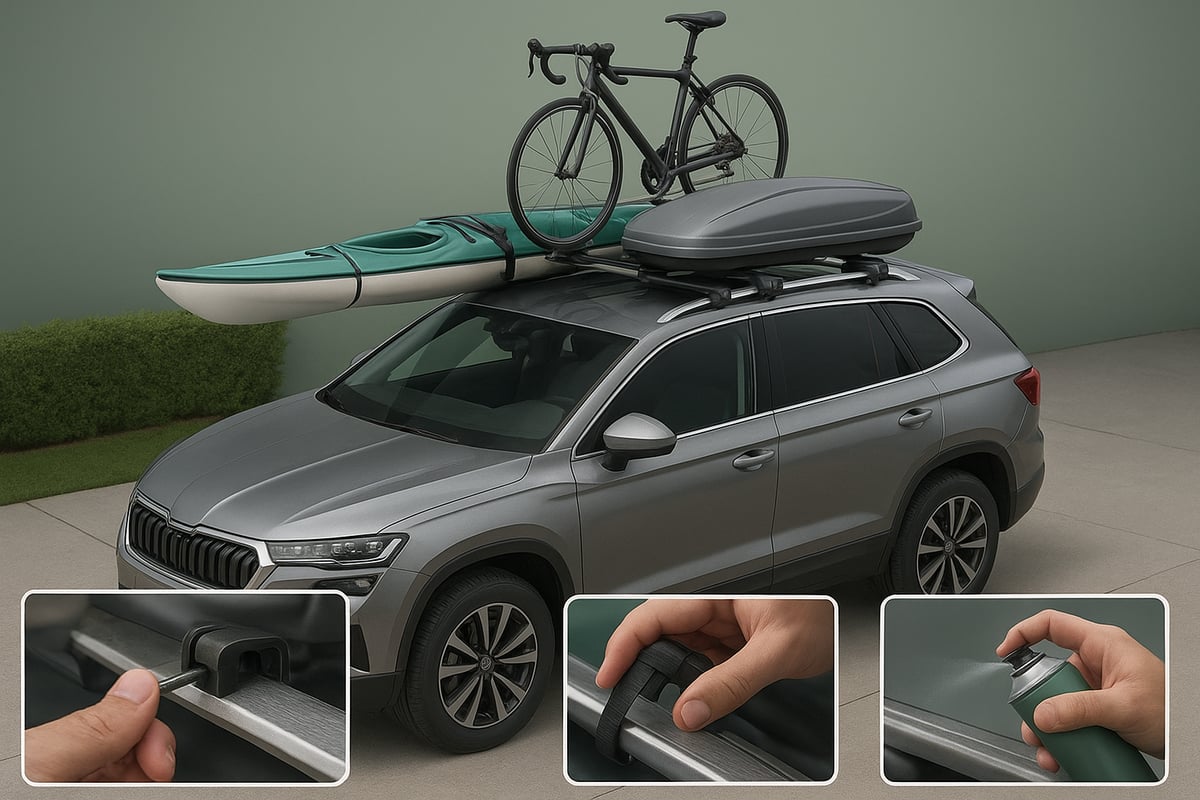
When using roof rack rails, always start by checking your vehicle’s maximum roof load. Distribute weight evenly to maintain stability and avoid exceeding manufacturer recommendations. Place heavier items in the center and keep loads as low-profile as possible.
Use high-quality straps and tie-downs to secure every item. Double-check knots and fastenings. For specialty gear like kayaks or bikes, invest in purpose-built accessories. The Best kayak holders for roof racks can provide added stability and reduce the risk of shifting during transit.
Here’s a quick checklist for safe loading:
- Verify roof rack rails are properly attached and undamaged.
- Use non-slip mats under cargo if needed.
- Secure all loose ends of straps to prevent flapping.
- Perform a “shake test” before driving off.
According to recent accident statistics, improper loading and unsecured items are leading causes of roof rack-related incidents. Taking these precautions will help ensure your roof rack rails deliver safe, reliable performance every trip.
Routine Maintenance and Inspection
Regular maintenance is key to maximizing the lifespan of your roof rack rails. Begin with visual inspections before and after each trip. Look for signs of corrosion, loose bolts, or cracks in mounting points.
Follow this simple maintenance checklist:
- Clean rails with mild soap and water to remove debris and road salt.
- Inspect all fasteners, tightening as needed.
- Check for rust or corrosion, especially after winter use.
- Lubricate moving parts and locks to prevent seizing.
Seasonal care is important. In winter, clear snow and ice buildup promptly, and in summer, protect from UV exposure with covers or sprays. Replace worn components according to manufacturer guidelines. Real-world examples show that consistent upkeep can prevent failures and extend the service life of roof rack rails.
Weatherproofing and Longevity Tips
To keep your roof rack rails performing in all conditions, apply weatherproofing treatments like silicone sprays or specialized coatings. These help resist water, salt, and sun damage.
When not in use, remove accessories and store them in a dry location. Cover exposed rails to prevent dirt buildup. In extreme weather, inspect rails more frequently for early signs of wear. Following these tips ensures your roof rack rails remain dependable, no matter the climate.
Addressing Common Issues and Troubleshooting
Even the best roof rack rails can develop issues over time. Common problems include rattling, leaks, rust, or accessories not fitting properly.
To troubleshoot:
- Tighten any loose bolts or fittings to stop rattling.
- Reseal joints if leaks are detected, using recommended sealant.
- Treat rust with appropriate products and touch up paint as needed.
- Consult the manufacturer if accessories do not fit or if persistent issues arise.
If extensive damage or persistent problems occur, seek professional repair or consider replacement. Regular attention to these details will keep your roof rack rails safe and effective for years to come.
Future Outlook: The Evolving Role of Roof Rack Rails
The future of roof rack rails is rapidly evolving, driven by the transformation of the automotive industry. As we approach 2026, the rise of electric and autonomous vehicles is reshaping both the design and function of roof rack rails. Manufacturers are responding with innovative solutions that not only meet new technical demands but also align with changing consumer lifestyles.
Electric and Autonomous Vehicle Integration
Electric vehicles (EVs) and autonomous cars are setting new requirements for roof rack rails. Battery placement and vehicle aerodynamics are top concerns, leading designers to create lighter, lower-profile systems. These rails are now engineered to minimize wind resistance and maximize energy efficiency, supporting the unique needs of EVs. Some models feature sensors that communicate with the vehicle’s software, alerting drivers to load imbalances or excessive weight. This level of integration helps ensure safety and extends the life of both the vehicle and the roof rack rails.
Smart Features and Connected Ecosystems
Looking ahead, roof rack rails are poised to become part of a connected vehicle ecosystem. Integration with navigation and onboard diagnostics will allow for real-time monitoring of cargo security and rail status. For example, smart rails may adjust their position based on driving speed or weather conditions. Brands like Ford are pioneering deployable roof rack rails that improve aerodynamic efficiency, as seen in their recent deployable roof rack rails innovation. These advancements highlight a shift towards intelligent, adaptive systems that enhance both performance and user experience.
Sustainability and Renewable Energy Integration
Sustainability is becoming a core focus in the evolution of roof rack rails. Manufacturers are increasingly using recycled aluminum and eco-friendly composites to reduce environmental impact. Some next-generation rails incorporate solar panels, providing power for accessories like lights or refrigeration units. Lifecycle analysis is guiding material choices, while green manufacturing practices are gaining traction. According to Automotive Roof Racks Market Analysis, consumer demand for sustainable vehicle accessories is influencing product development and market growth.
Regulatory and Safety Standards Evolution
The regulatory landscape for roof rack rails is also changing. New safety standards are emerging to address advanced vehicle technologies and higher travel speeds. Authorities are implementing stricter guidelines for load limits, secure mounting, and aerodynamic impact. Insurance providers are updating policies to reflect these changes, requiring documentation of compliant installations. Staying informed about these evolving regulations will be key for both manufacturers and consumers in 2026.
Market Trends, Prototypes, and the Broader Ecosystem
Industry experts predict that roof rack rails will play a pivotal role in the future of mobility and outdoor gear. Urban drivers are seeking compact, modular solutions for city life, while adventure enthusiasts demand rugged, customizable systems. Concept products feature tool-free adjustability, digital controls, and integration with renewable energy sources. Market forecasts suggest continued growth, with roof rack rails adapting to the diverse needs of commercial and recreational users alike. As this ecosystem expands, roof rack rails will remain a versatile, indispensable asset for the modern traveler.
Now that you have a clear understanding of the latest roof rack rail trends and expert tips for 2026, it is the perfect time to consider how your overall storage setup supports your adventures. At CoolaLiving IE, we know that maximizing space—whether for your vehicle or your garden—makes every journey smoother and more enjoyable. If you are looking to keep your outdoor gear organized and protected when not on the road, why not explore our Free Delivery on your ECO Steel Garden Shed? Investing in smart storage solutions ensures your equipment is always ready for your next trip.
Discover more from Coola Living Ireland
Subscribe to get the latest posts sent to your email.

